1. Sulfur bath / spring3.4 km
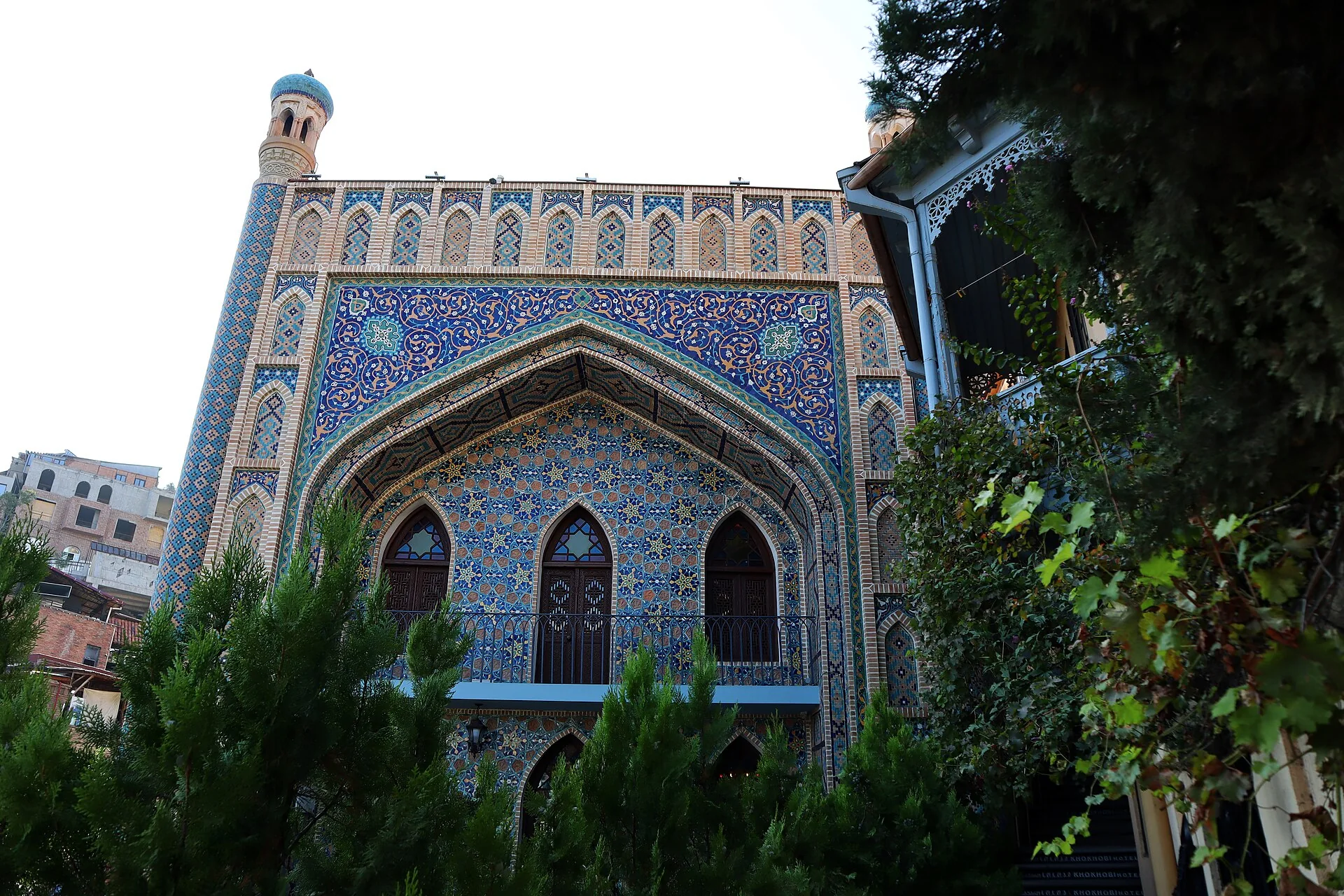
Chreli Abano sulfur baths
Tbilisi · Abanotubani
A historic sulfur-bathhouse in Tbilisi's Abanotubani district; confirm the bath option and reservation directly.
Check or book with operatorStart with the map, then open a place for sightseeing highlights, interesting facts, exact location coordinates, nearby things to see, a sensible accommodation base and a bookable experience where it genuinely improves the route.
Choose a city or allow your browser to locate you. The closest published attraction points rise to the top, with clear visitor guides and places to stay nearby.
12 places within 80 km of central Tbilisi
Closest first · great-circle distance, not walking or driving distanceTbilisi · Abanotubani
A historic sulfur-bathhouse in Tbilisi's Abanotubani district; confirm the bath option and reservation directly.
Check or book with operator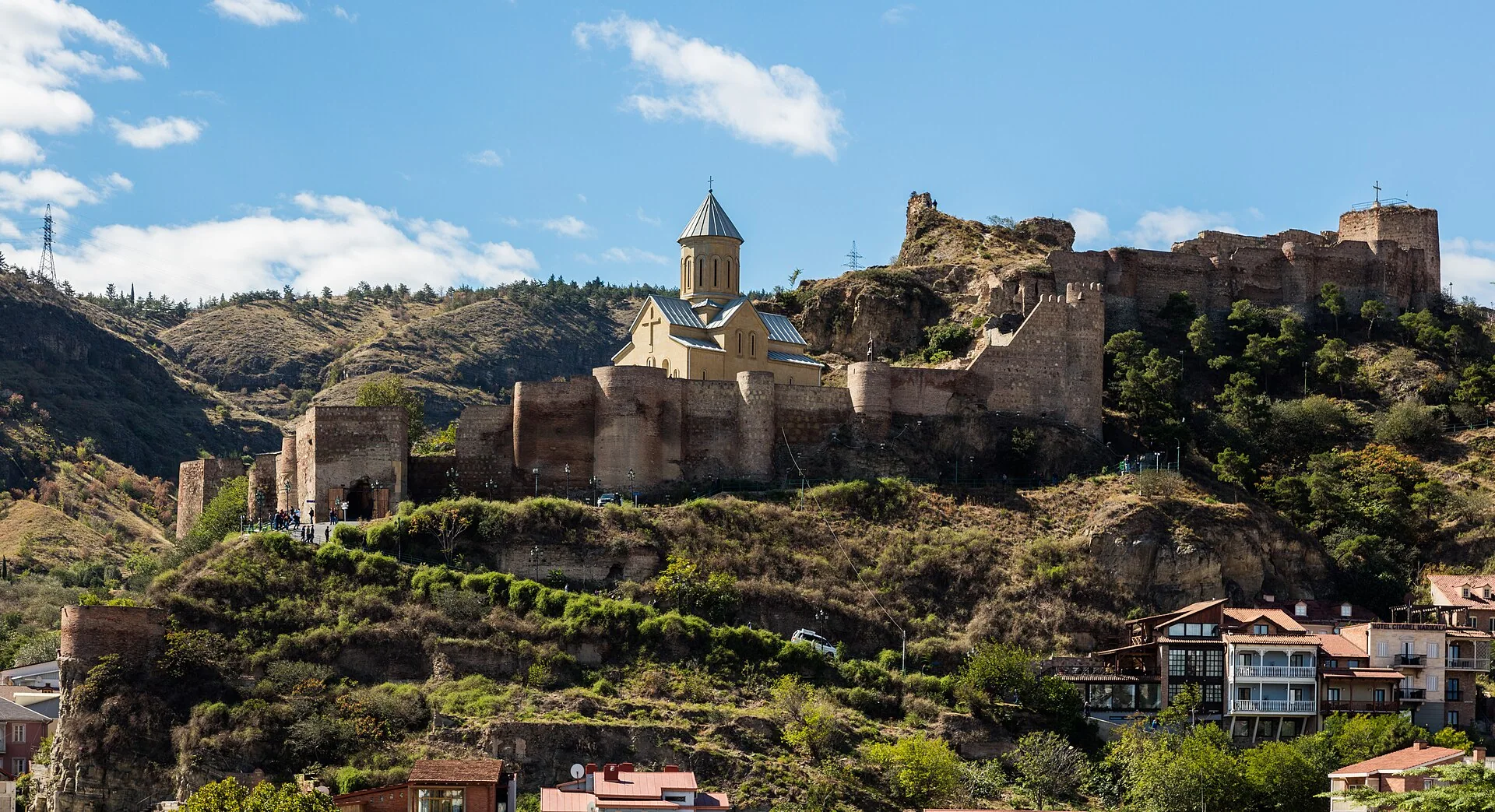
Tbilisi
Narikala is the hilltop fortress that defines the southern edge of Old Tbilisi. Its walls sit above the sulfur-bath district and the Mtkvari River, making the site useful both as a historic stop and as a viewpoint over the capital.
Sightseeing stop · check access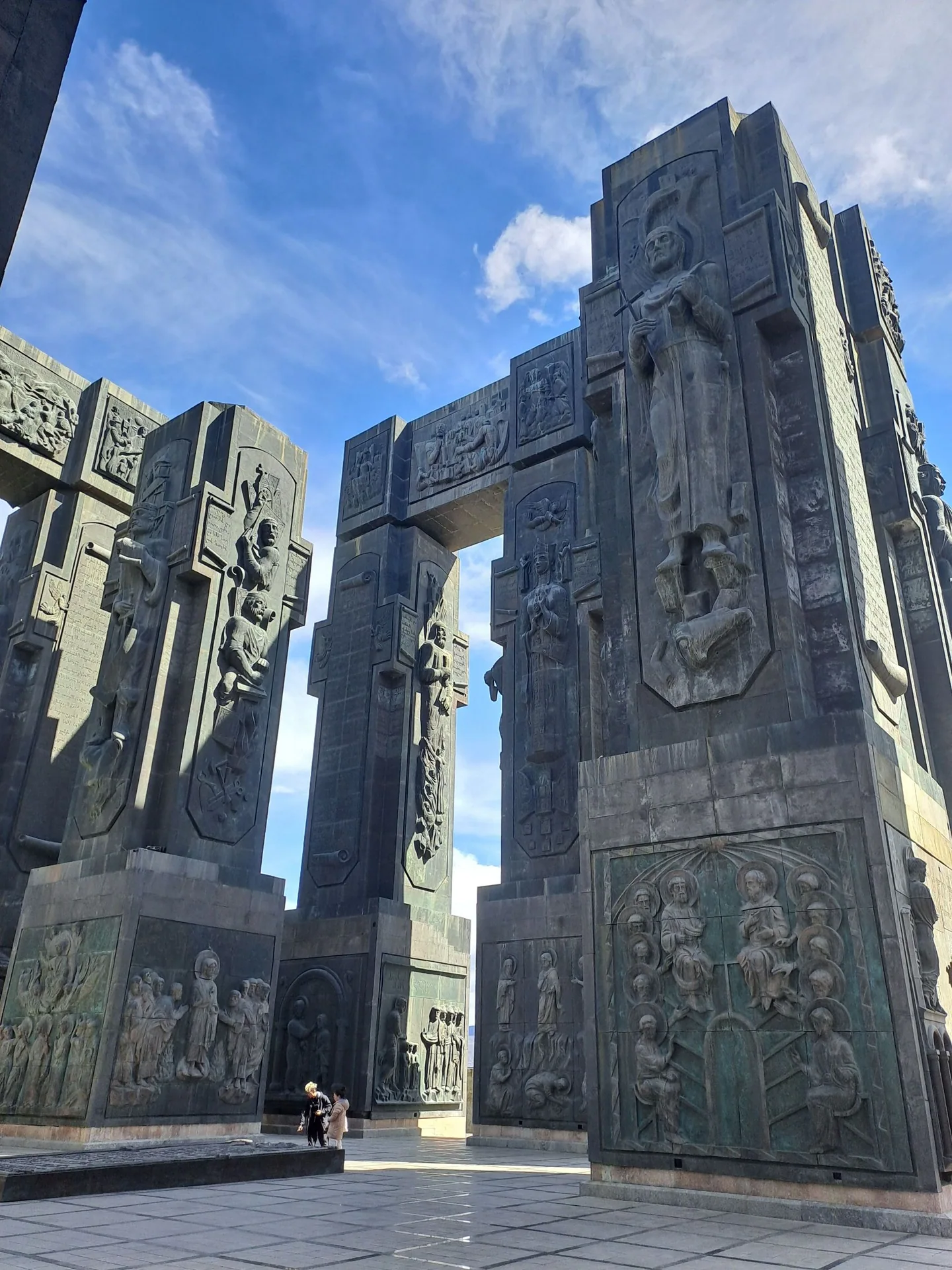
Tbilisi
The Chronicle of Georgia is a monumental sculptural ensemble on Keeni Hill above the Tbilisi Sea. Its giant columns combine episodes from Georgian history with scenes from Christianity, creating one of Tbilisi's most unusual large-scale landmarks.
Sightseeing stop · check access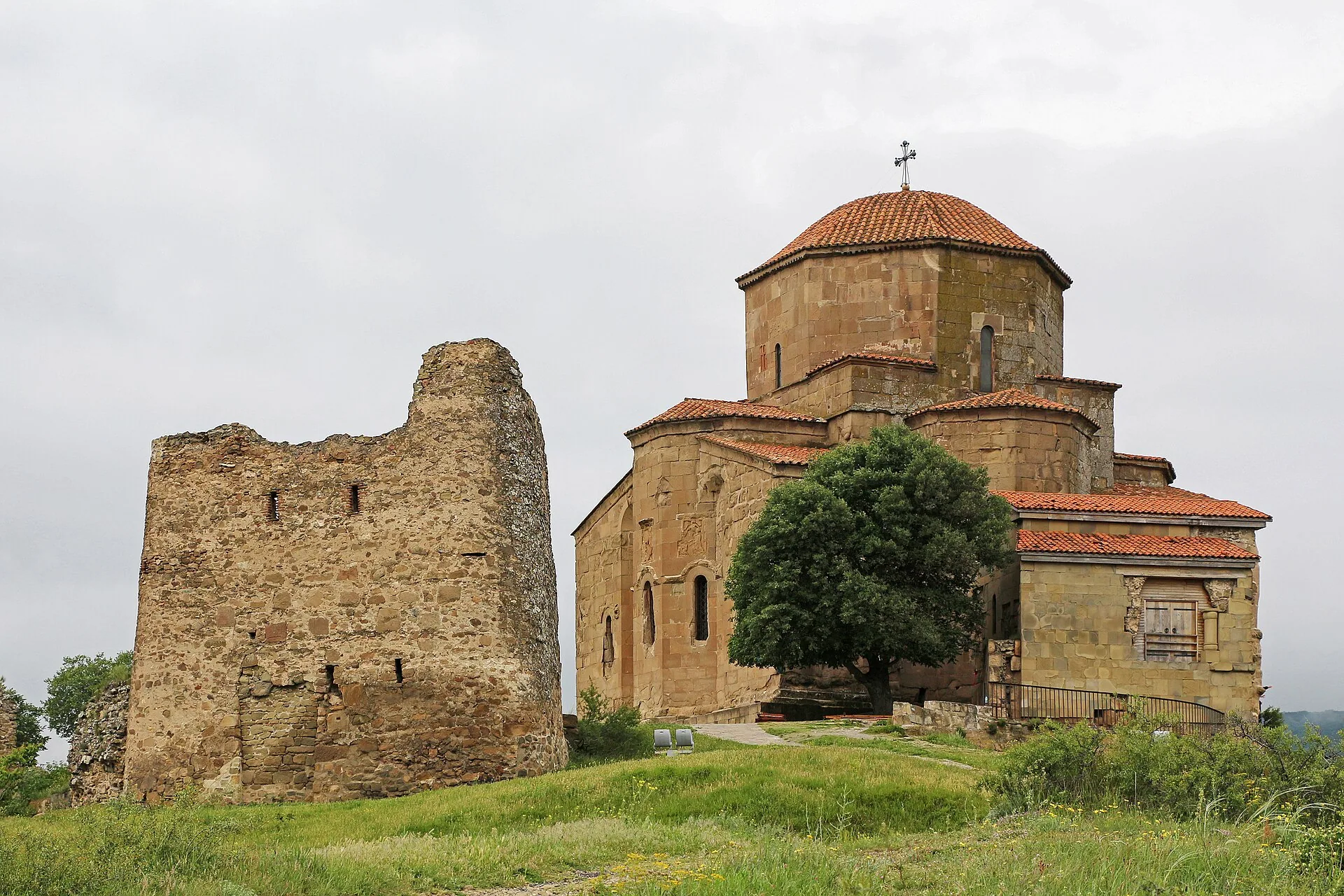
Mtskheta-Mtianeti
Jvari Monastery stands on the hill above Mtskheta where the Aragvi and Mtkvari rivers meet. The sixth-century church is both an architectural landmark and one of the strongest viewpoint stops in a Mtskheta sightseeing day.
Sightseeing stop · check access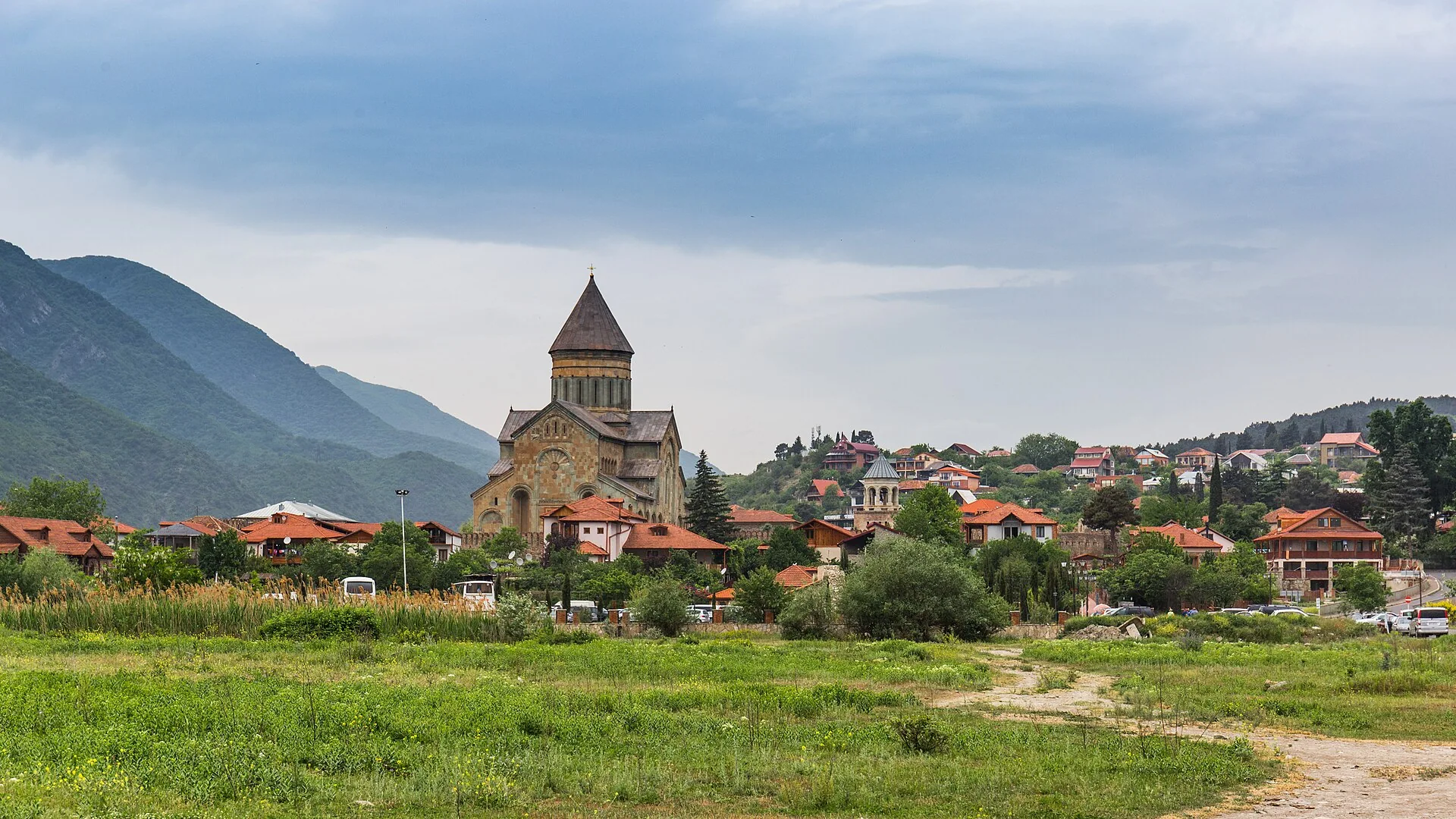
Mtskheta-Mtianeti
Svetitskhoveli is Mtskheta's great medieval cathedral and one of the central monuments of Georgian Christianity. Together with other historic monuments of Mtskheta, it is inscribed on the UNESCO World Heritage List.
Sightseeing stop · check access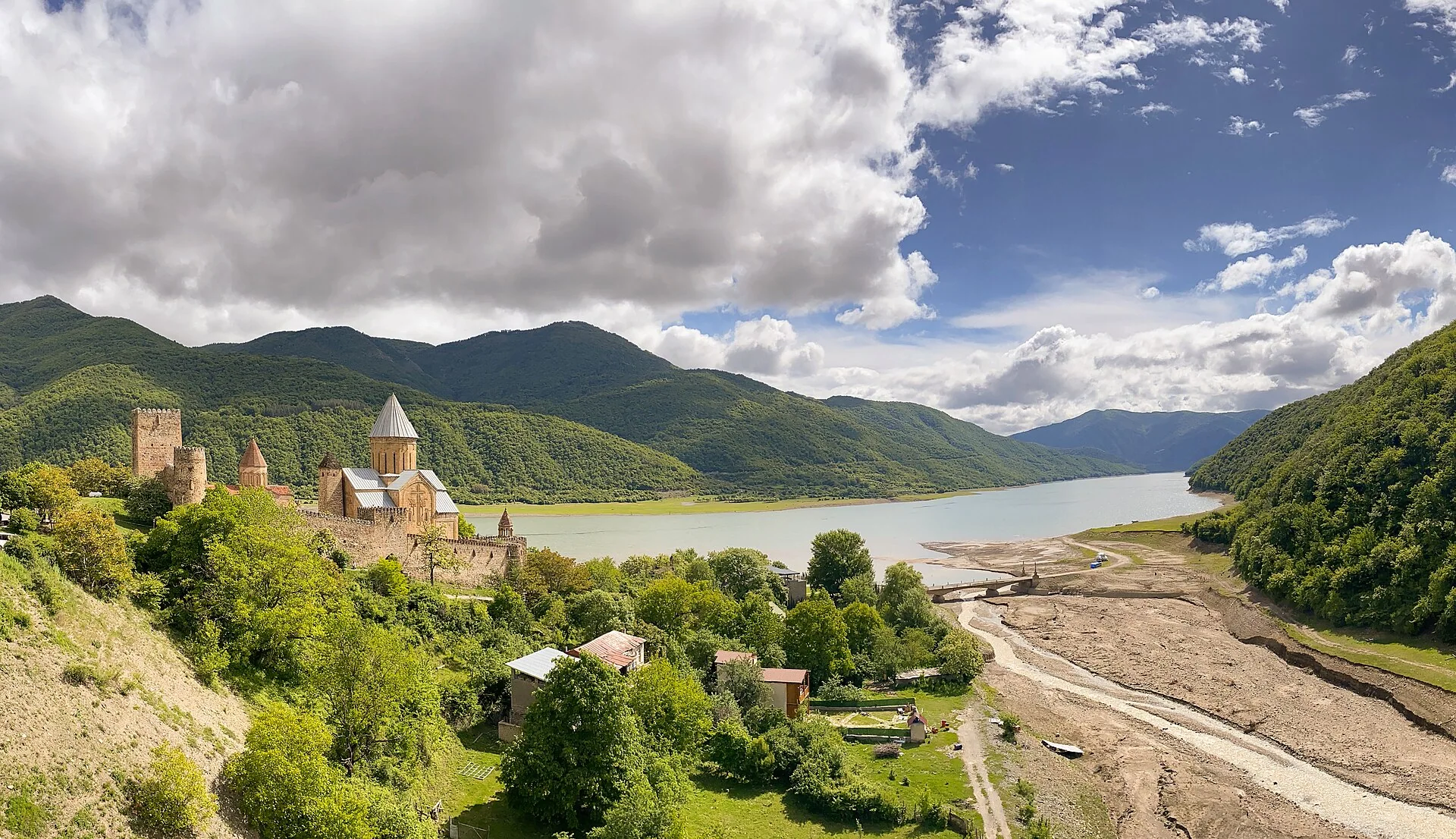
Mtskheta-Mtianeti
Ananuri is a fortified church-and-castle ensemble on the Aragvi River beside the Georgian Military Highway. Its towers, carved church façades and Zhinvali Reservoir setting make it one of the most natural sightseeing stops between Tbilisi and Kazbegi.
Sightseeing stop · check access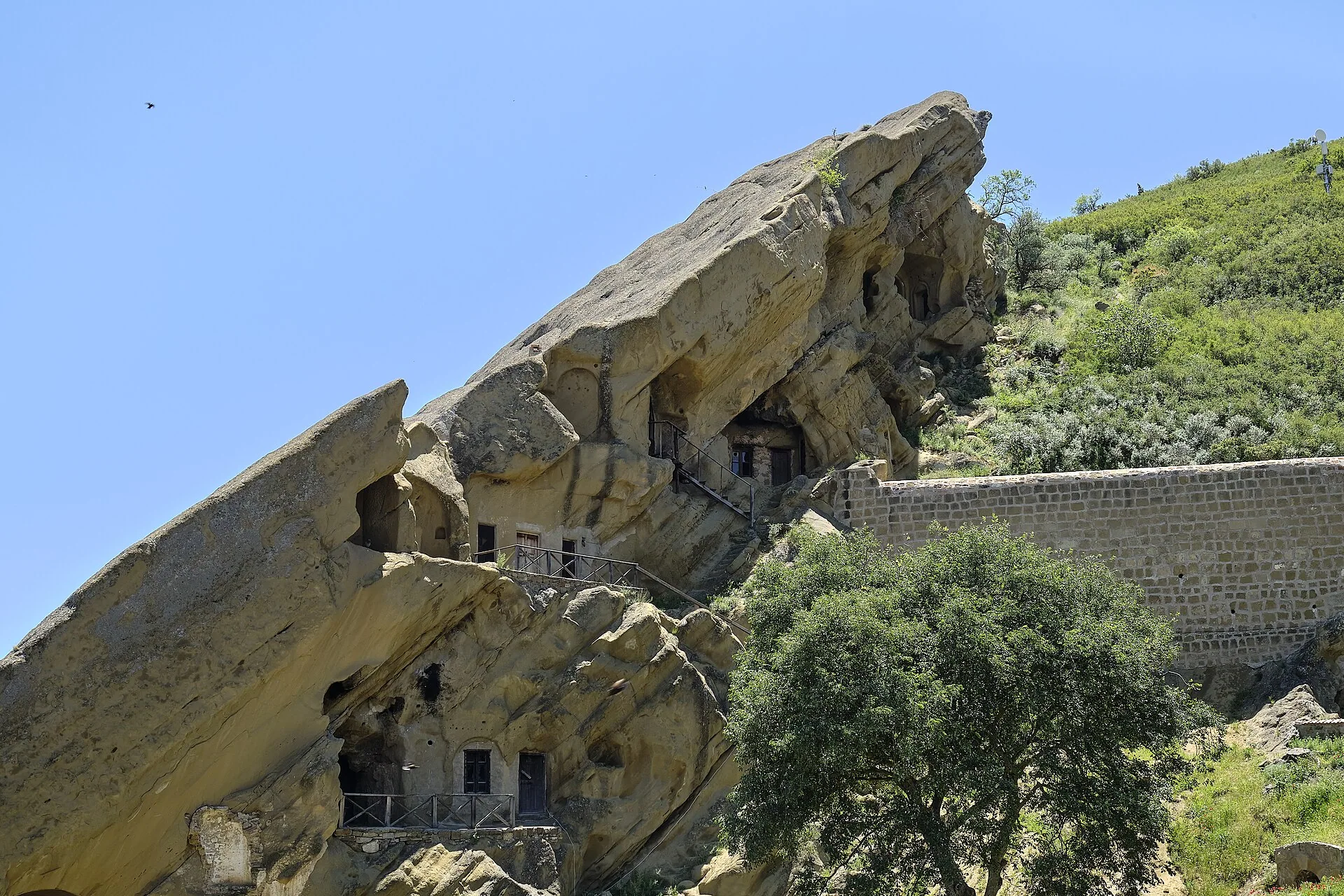
Kakheti
David Gareja is a vast rock-cut monastic landscape in the semi-desert of eastern Georgia. The complex began in the sixth century and developed into a network of monasteries, cave cells, churches and practical spaces adapted to an unusually dry environment.
Sightseeing stop · check access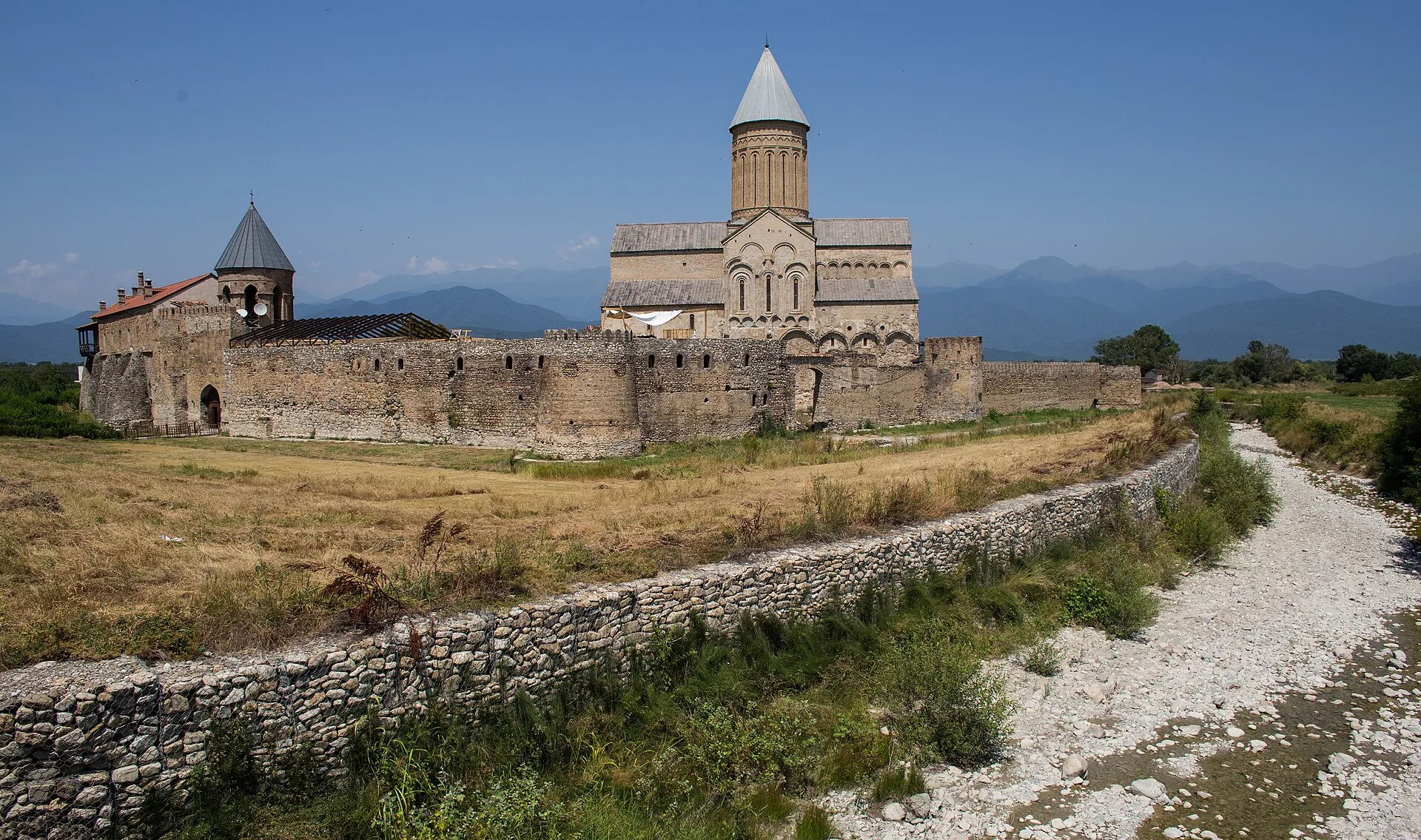
Kakheti
Alaverdi Monastery rises from the Alazani Valley north-west of Telavi, backed by the Greater Caucasus. The large eleventh-century St George Cathedral, fortified enclosure and long religious history make it one of Kakheti's most important architectural stops.
Sightseeing stop · check access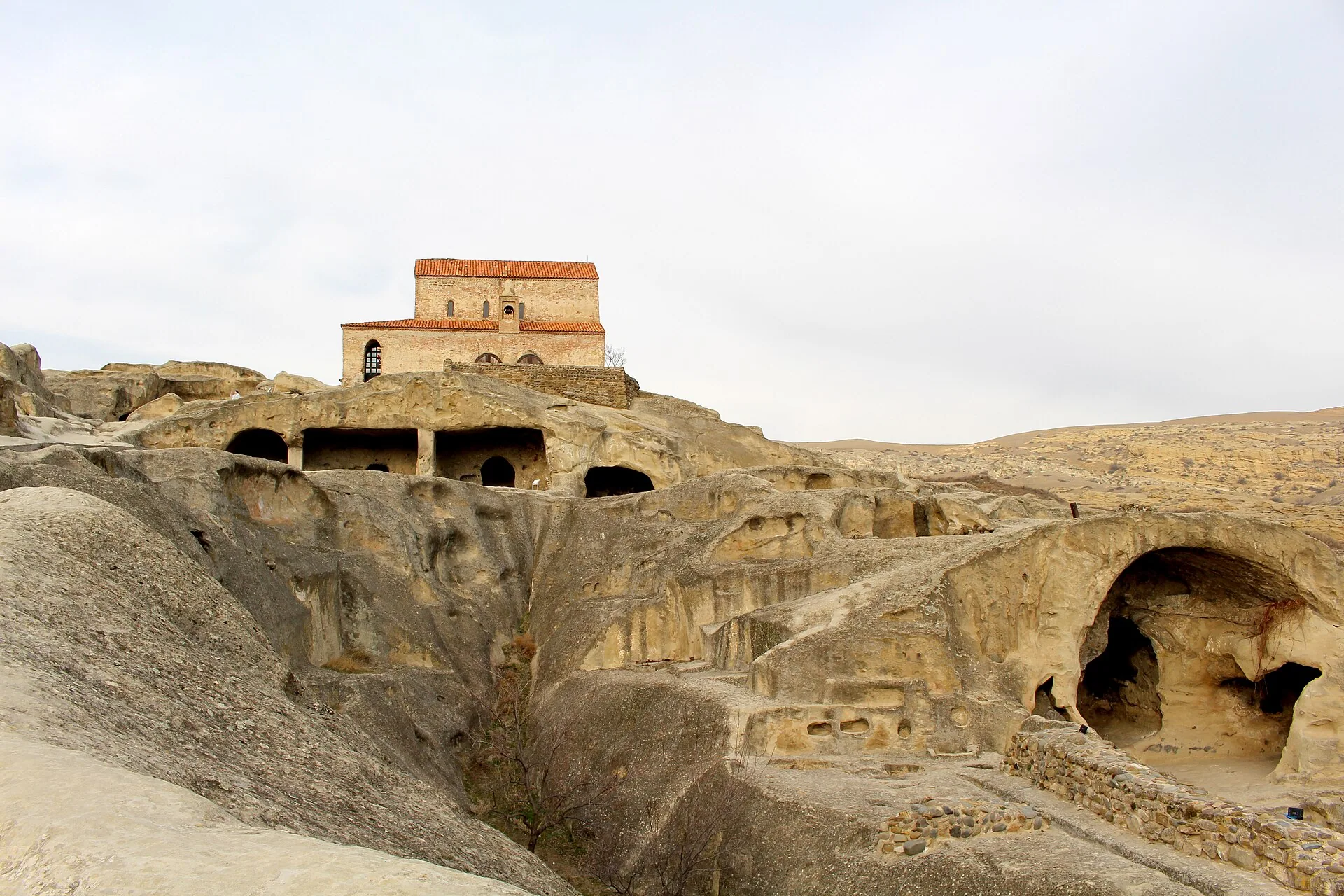
Shida Kartli
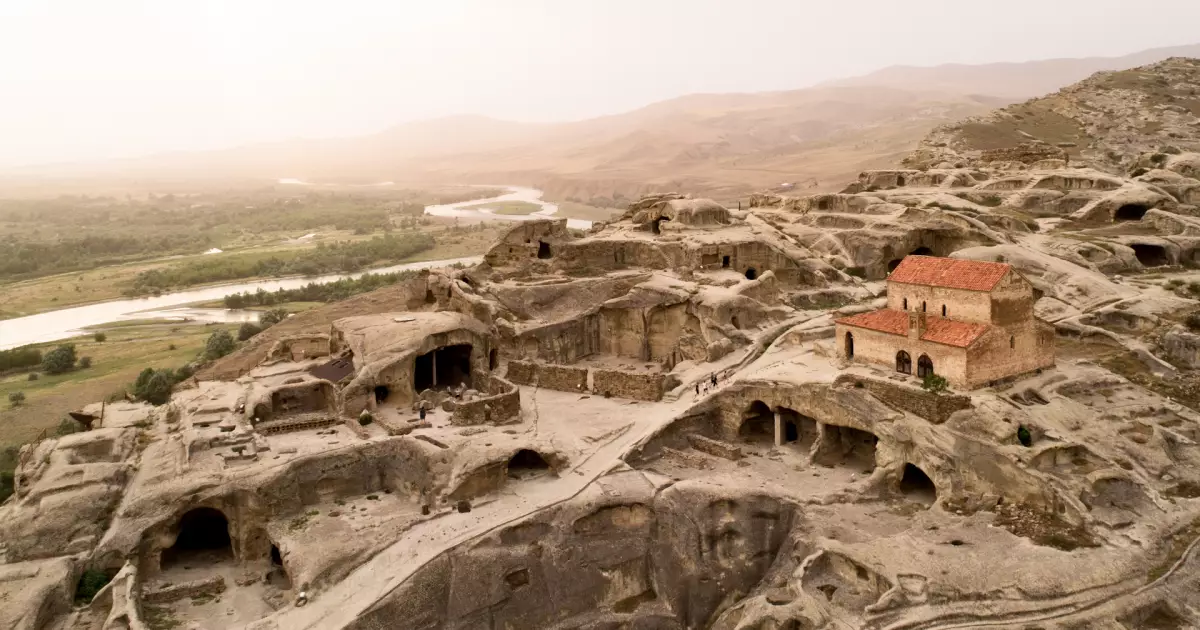
Uplistsikhe is an ancient rock-hewn settlement east of Gori, carved into sandstone above the Mtkvari River. Its streets, halls, religious spaces and later Christian buildings show how the site evolved across very different periods of Georgian history.
Sightseeing stop · check accessDistances are computed in your browser from mapped coordinates as the crow flies. A short straight-line distance can still require a long drive or difficult approach. Hours, prices, tours, river levels and accessibility change; check the guide and responsible operator. This feature does not send your GPS location to our server or save it in browser storage. Map data © OpenStreetMap contributors.
The map uses the published coordinates for each attraction. Markers are numbered to match the list underneath, so you can see which places naturally belong in the same part of a Georgia itinerary.
Map outline based on public geographic boundary data; attraction pins use the coordinates cited in each guide. Use the individual location map before navigating.
These are not random tour links. Each pick is attached to a place guide and chosen because it solves a real trip-planning problem: orientation, transport, difficult routing or the value of a local guide. Current prices and availability stay on Booking.com instead of being copied here and becoming stale.
 Tbilisi
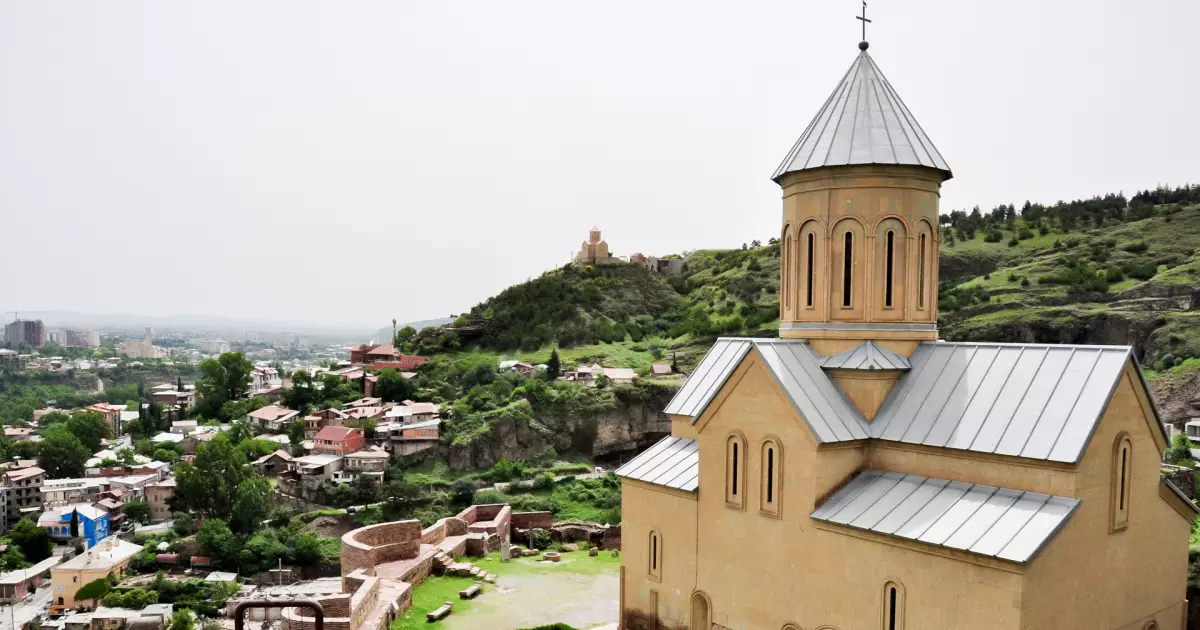
A guided Old Tbilisi walk is the cleanest way to connect Narikala, Metekhi, the sulfur-bath district, the Bridge of Peace and the lanes between them without treating each sight as an isolated stop.
Narikala appears in historical records from the end of the fourth century, although the fortress was rebuilt and altered many times by the powers that controlled Tbilisi.
Trip.com also lists an Old Tbilisi walking option built around the historic center, local tastings and the same first-day orientation use case.
 Adjara
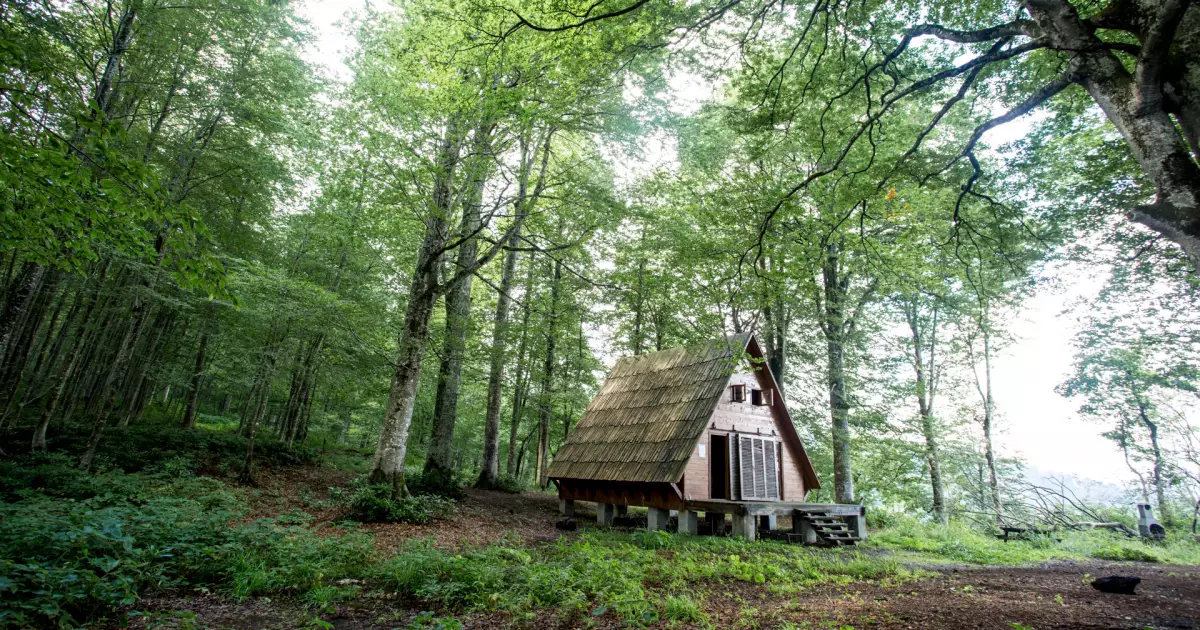
Mtirala is one of the best contrasts to Batumi: humid forest, river crossings, waterfalls and a real walking component. The guided option removes the transport friction from a half-day nature escape.
The Colchic Rainforests and Wetlands World Heritage property, inscribed in 2021, includes protected forest components in western Georgia including Mtirala.
Trip.com has a dedicated Mtirala outing with Batumi pickup, forest hiking, the waterfall and lake, making it a useful provider comparison for this exact nature day.
 Guria
Shekvetili Dendrological Park itself is best treated as an independent visit. Booking.com did not surface a Shekvetili-specific activity in the inventory we checked, so this link opens the nearest substantial Black Sea experience inventory instead of implying a park ticket is being sold.
The official tourism description notes specimens more than 300 years old among the park's mature tree collection, which helps explain why the landscape feels established rather than newly planted.
Trip.com has a Shekvetili destination hub with local attractions and tour discovery. We did not verify a park-specific bookable product, so this is intentionally presented as destination inventory.
 Imereti
This is a practical high-value day from Kutaisi because it combines an underground cave system with Martvili's river canyon, reducing the need to arrange separate drivers and entrance-day logistics.
Georgian speleologists studied the cave in the early 1980s and tourist development began later that decade.
Trip.com lists a Kutaisi departure pairing Martvili Canyon with Prometheus Cave, closely matching the practical two-stop route recommended here.
 Kakheti
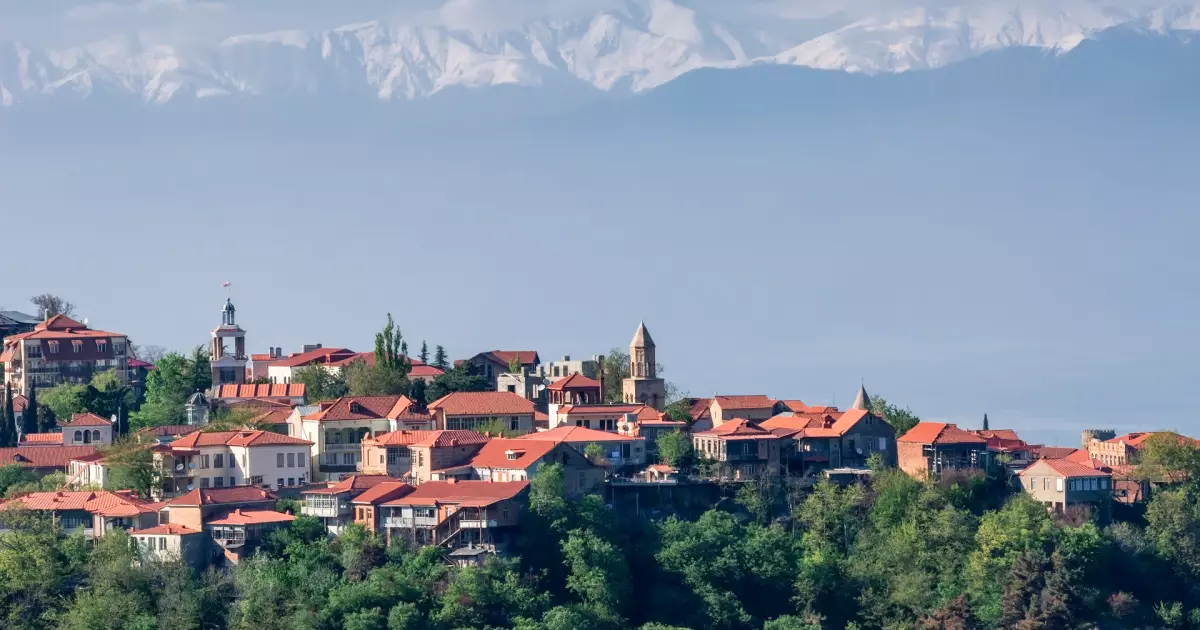
 is easy to underestimate on a map. A guided wine-country day connects Sighnaghi, Bodbe, local food traditions and tastings while removing the obvious problem of driving between wineries after drinking.
The fortification belongs to the eighteenth-century strengthening of Kakheti's eastern defenses.
Trip.com also carries a Tbilisi departure covering Sighnaghi, Bodbe and wine-country stops, so travelers can compare the same broad Kakheti day across providers.
 Mtskheta–Mtianeti
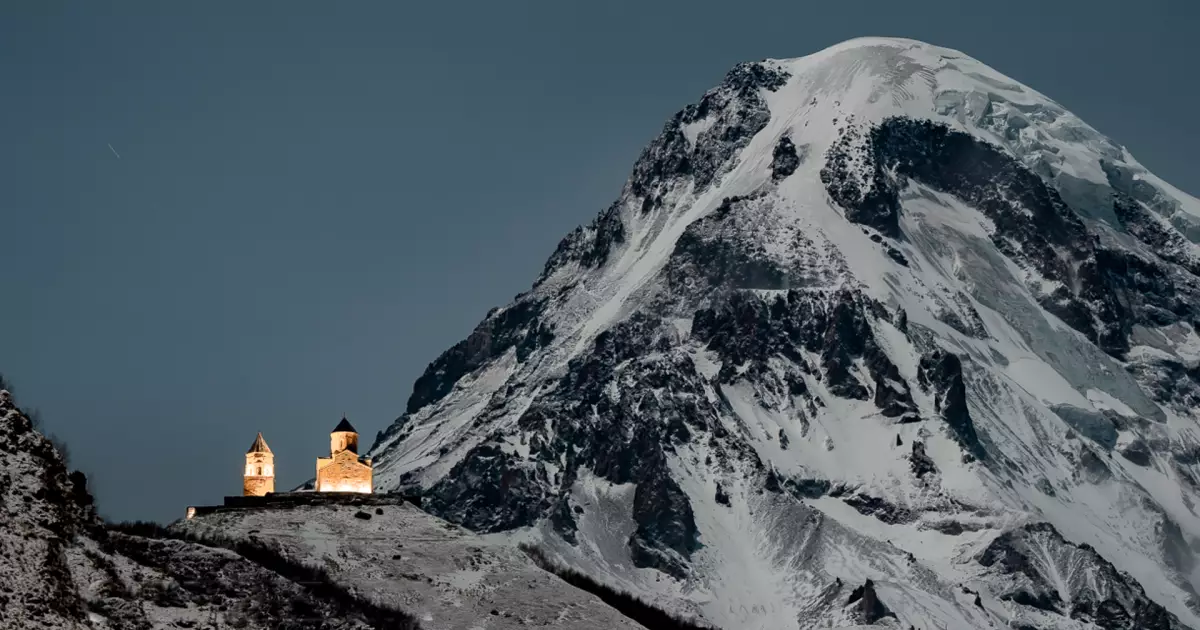
Gergeti is already one of Georgia's defining mountain sights. This guided ride turns the approach into the experience itself, with Stepantsminda, Mount Kazbek and the church all part of the same outing.
Gergeti Trinity was built in the medieval period and is one of the defining historic monuments of the Khevi region.
Trip.com has a bookable Kazbegi day that includes Gergeti Trinity Church plus Ananuri and Gudauri, offering a road-trip alternative to the horseback-focused Booking.com option.
 Racha-Lechkhumi & Kvemo Svaneti
Racha is one of the least convenient regions to sample without your own car. This private route is valuable because it links Nikortsminda, Shaori, other medieval churches and Khvanchkara wine country in one long but coherent day.
Inscriptions and historical sources place construction around 1010–1014 under Bagrat III, the first king of a united Georgian kingdom.
Trip.com exposes Nikortsminda destination inventory and nearby attractions, but we did not verify an exact Racha route matching the long private Booking.com day.
 Samegrelo-Zemo Svaneti
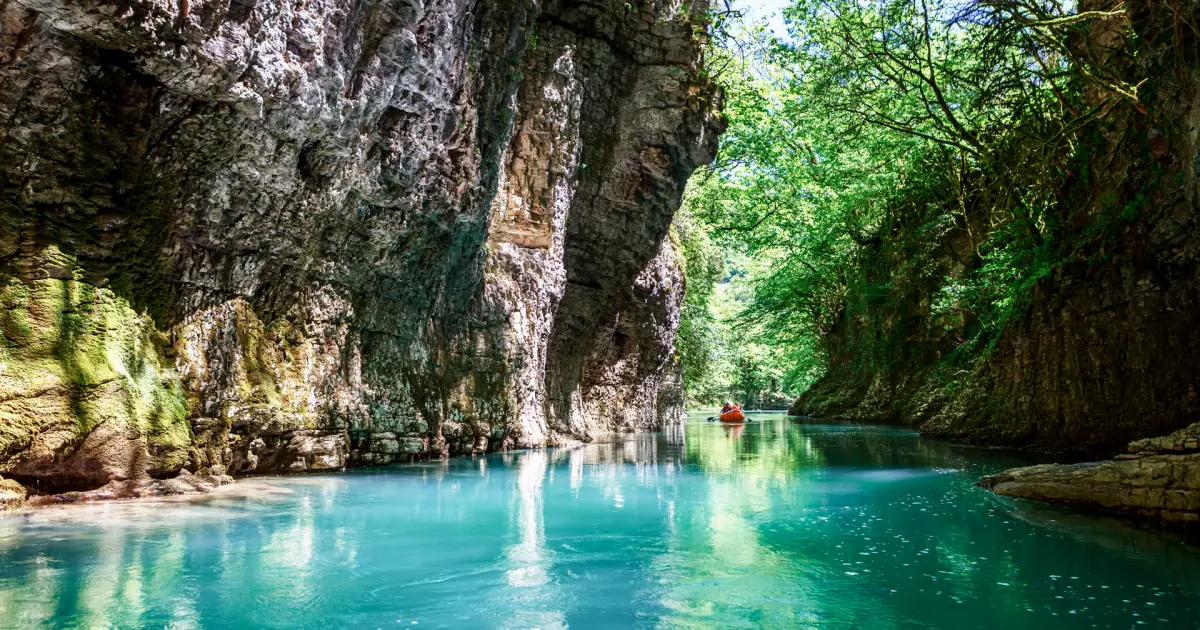
Martvili's water-and-limestone scenery pairs naturally with Okatse and Prometheus Cave. A guided day makes sense when you want the landscapes but do not want to spend the day negotiating separate transfers.
The gorge and bathing area are associated with the Dadiani princely family, adding a cultural layer to what can otherwise look like a purely natural attraction.
Trip.com lists a matching western-Georgia day from Kutaisi that pairs Martvili Canyon with Prometheus Cave, making the provider comparison especially relevant here.
 Samtskhe-Javakheti
Vardzia is the anchor, but the day becomes more useful when it also includes Rabati and Borjomi. The guided route is especially attractive for travelers who want southern Georgia without a one-way rental-car plan.
The earthquake collapsed sections of the outer cliff, exposing rooms that had previously been enclosed deeper within the mountain.
Trip.com currently exposes Vardzia destination-level Attractions & Tours inventory. Exact tour products can change, so the link opens the destination hub rather than claiming one fixed operator.
 Kvemo Kartli
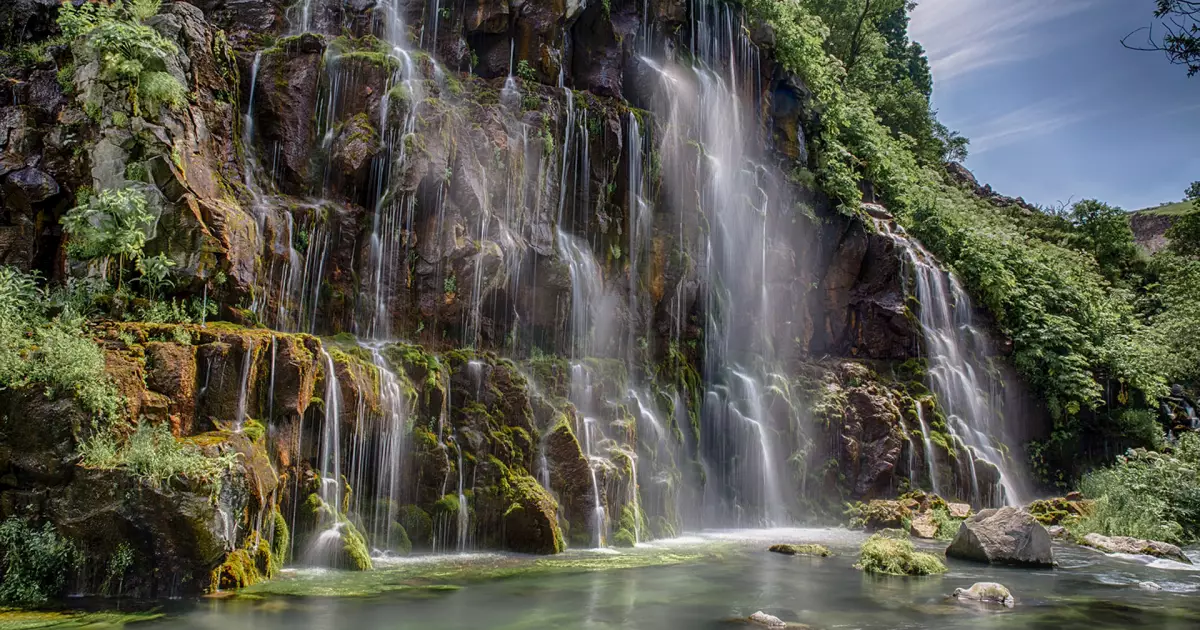
Dashbashi works well as a dedicated outing because the canyon, waterfalls and Diamond Bridge occupy the same destination. A group transfer removes the least interesting part of the day: arranging the long out-and-back transport yourself.
The geology distinguishes Dashbashi from western Georgia's limestone canyons.
Trip.com has a direct day-tour option from Tbilisi centered on Dashbashi Canyon and the Diamond Bridge, closely matching the route recommended here.
 Shida Kartli
Uplistsikhe is more rewarding with historical context, and this route adds Gori plus Mtskheta rather than asking travelers to manage three separate transport legs. It is a good fit for a first Georgia itinerary with limited days.
Archaeological evidence makes Uplistsikhe one of the important early settlement sites in the South Caucasus.
Trip.com lists a guided Tbilisi departure covering Mtskheta, Gori and Uplistsikhe, which makes it a direct comparison for the history-heavy route on this card.
Each guide is written around one attraction rather than one keyword. Map, location, sightseeing and interesting-facts searches are covered together so the page stays useful instead of becoming a set of thin near-duplicates.
01Narikala is the hilltop fortress that defines the southern edge of Old Tbilisi. Its walls sit above the sulfur-bath district and the Mtkvari River, making the site useful both as a historic stop and as a viewpoint over the capital.
Open sightseeing guide → 02
The Chronicle of Georgia is a monumental sculptural ensemble on Keeni Hill above the Tbilisi Sea. Its giant columns combine episodes from Georgian history with scenes from Christianity, creating one of Tbilisi's most unusual large-scale landmarks.
Open sightseeing guide →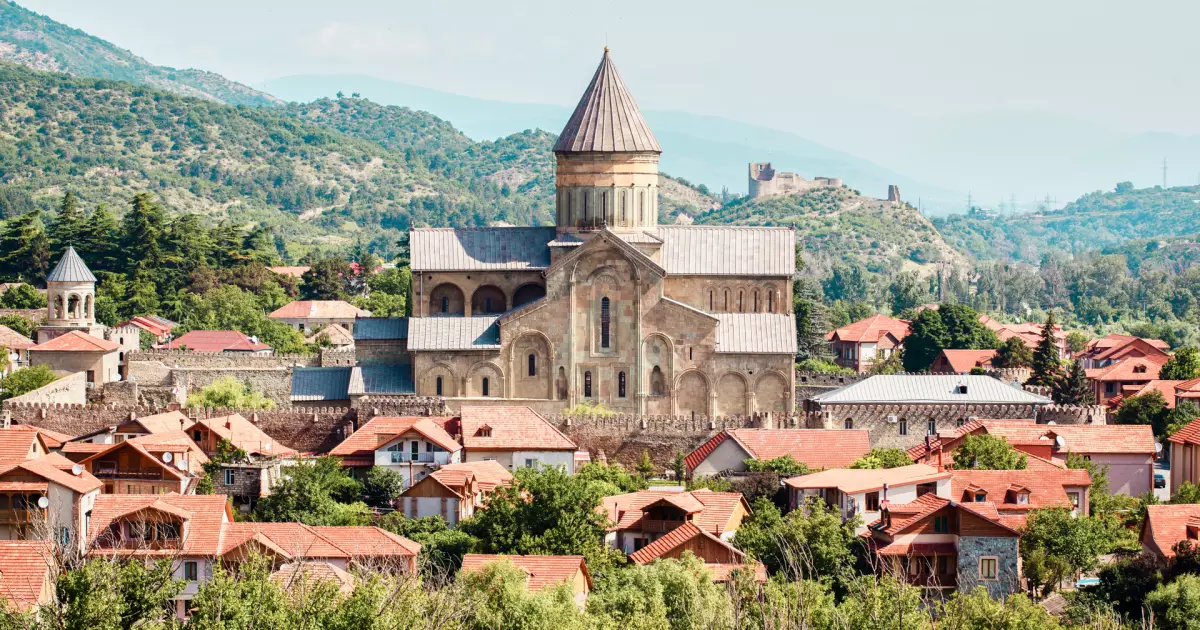 03
Svetitskhoveli is Mtskheta's great medieval cathedral and one of the central monuments of Georgian Christianity. Together with other historic monuments of Mtskheta, it is inscribed on the UNESCO World Heritage List.
Open sightseeing guide →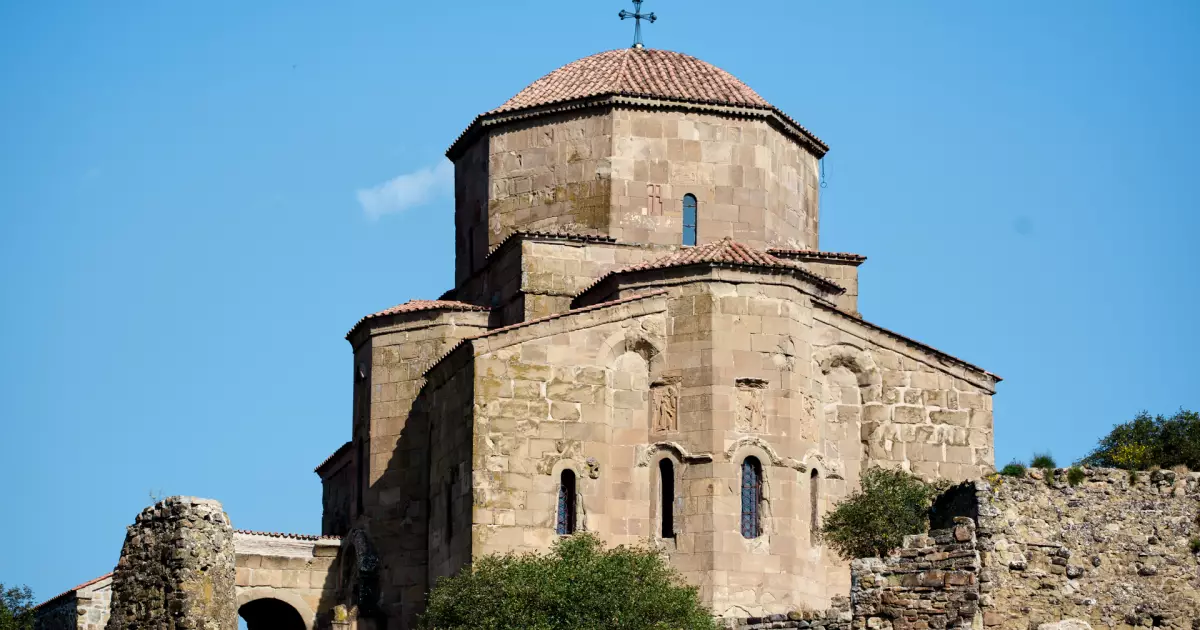 04
Jvari Monastery stands on the hill above Mtskheta where the Aragvi and Mtkvari rivers meet. The sixth-century church is both an architectural landmark and one of the strongest viewpoint stops in a Mtskheta sightseeing day.
Open sightseeing guide →05Uplistsikhe is an ancient rock-hewn settlement east of Gori, carved into sandstone above the Mtkvari River. Its streets, halls, religious spaces and later Christian buildings show how the site evolved across very different periods of Georgian history.
Open sightseeing guide →06Gergeti Trinity Church is the fourteenth-century mountain church above Stepantsminda that appears in many of Georgia's best-known Caucasus views. At about 2,170 meters elevation, the location is as important to the experience as the church itself.
Open sightseeing guide →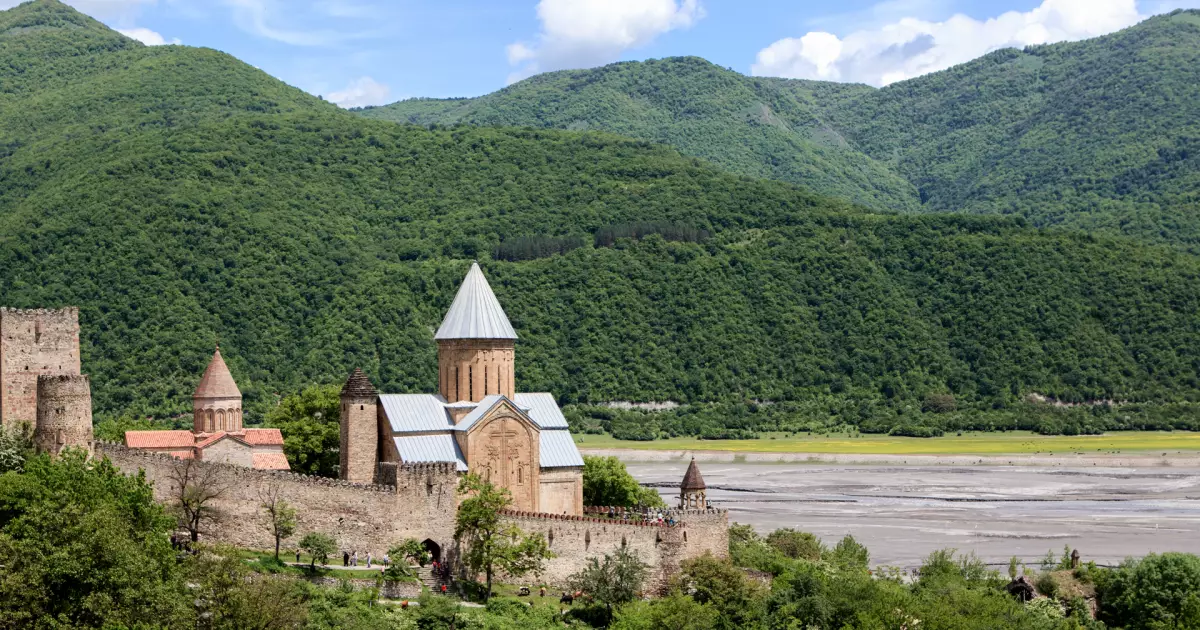 07
Ananuri is a fortified church-and-castle ensemble on the Aragvi River beside the Georgian Military Highway. Its towers, carved church façades and Zhinvali Reservoir setting make it one of the most natural sightseeing stops between Tbilisi and Kazbegi.
Open sightseeing guide →08Vardzia is Georgia's great medieval cave-monastery complex, cut into the Erusheti Mountain above the Mtkvari River. The surviving tunnels, chapels, dwellings and Church of the Dormition turn the cliff itself into a piece of architecture.
Open sightseeing guide →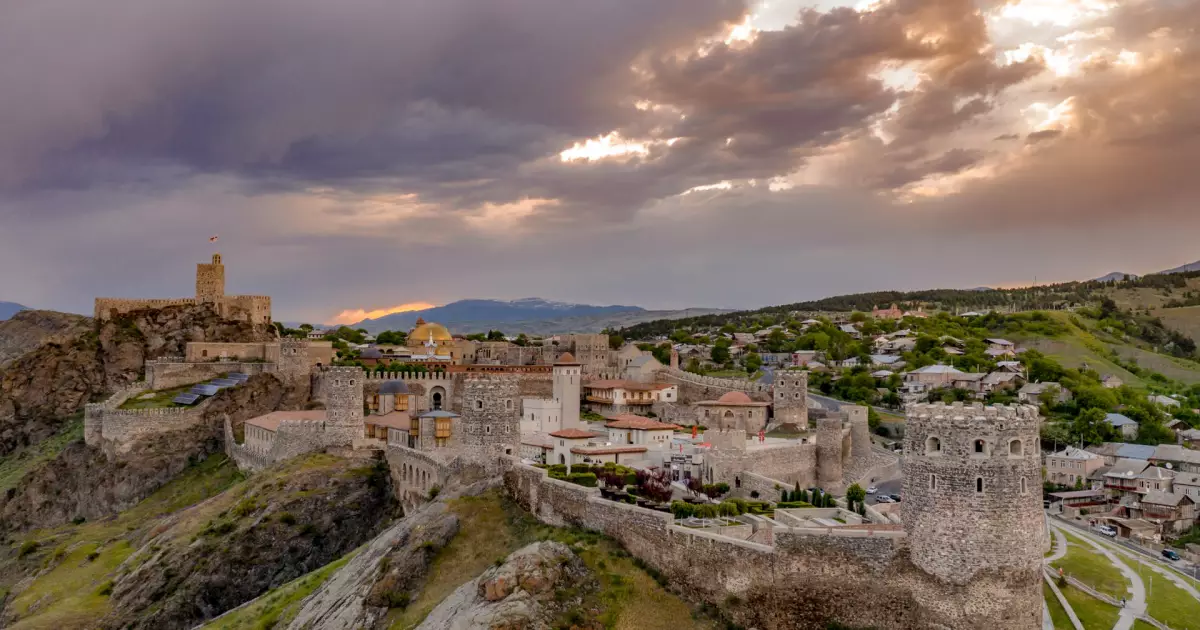 09
Rabati Castle, also called Akhaltsikhe Castle, is the restored fortress complex above Akhaltsikhe's old quarter. Its architecture reflects Georgian, Ottoman and multi-confessional layers of the city's history.
Open sightseeing guide →10Prometheus Cave is a large karst show cave near Tskaltubo in Imereti. Visitors follow an illuminated underground route through huge chambers of stalactites and stalagmites, with an optional water section when conditions and operations allow.
Open sightseeing guide →11Martvili Canyon is a protected limestone gorge on the Abasha River near Gachedili. A short visitor trail, viewpoints and a weather-dependent boat route make it one of western Georgia's easiest canyon stops to combine with a road trip.
Open sightseeing guide → 12
Gelati Monastery is the great medieval monastic and scholarly complex east of Kutaisi, founded by King David IV in 1106. Its churches, mosaic and wall paintings form one of Georgia's most important UNESCO World Heritage sites.
Open sightseeing guide →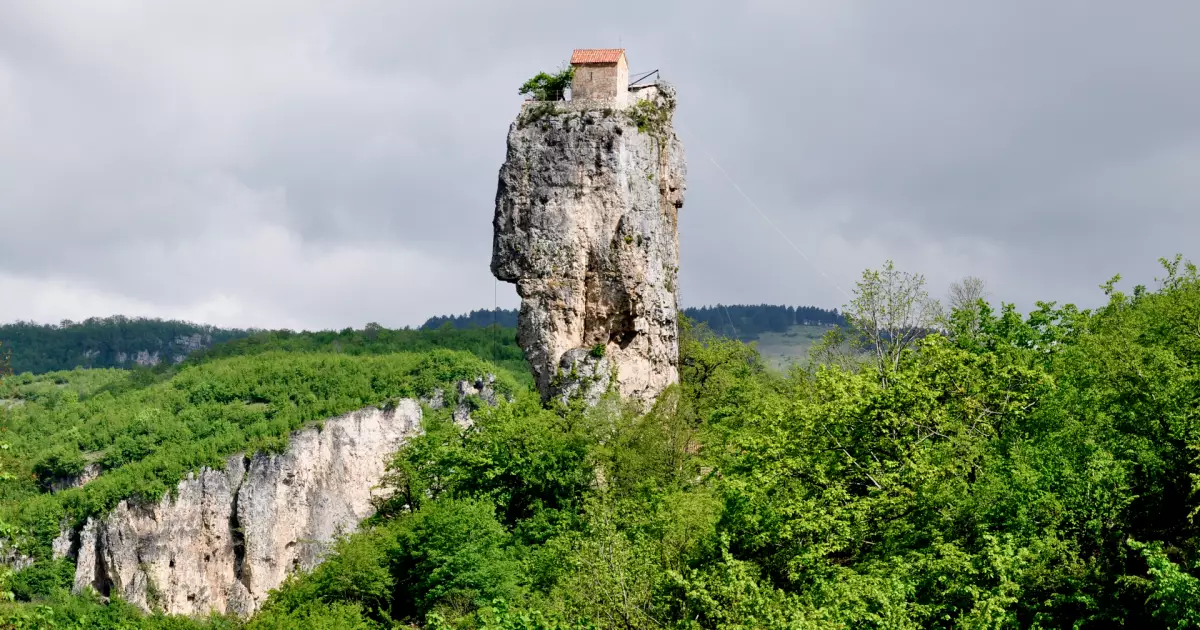 13
Katskhi Pillar is a dramatic limestone monolith near Chiatura topped by a small medieval hermitage. Visitors stay at ground level, where the real experience is the scale of the rock, its religious history and the surrounding Imereti landscape.
Open sightseeing guide →14Sighnaghi is an eighteenth-century fortified hill town in Kakheti, wrapped by long defensive walls and towers above the Alazani Valley. It works as both a sightseeing destination and an easy base for eastern Georgia's wine-country route.
Open sightseeing guide →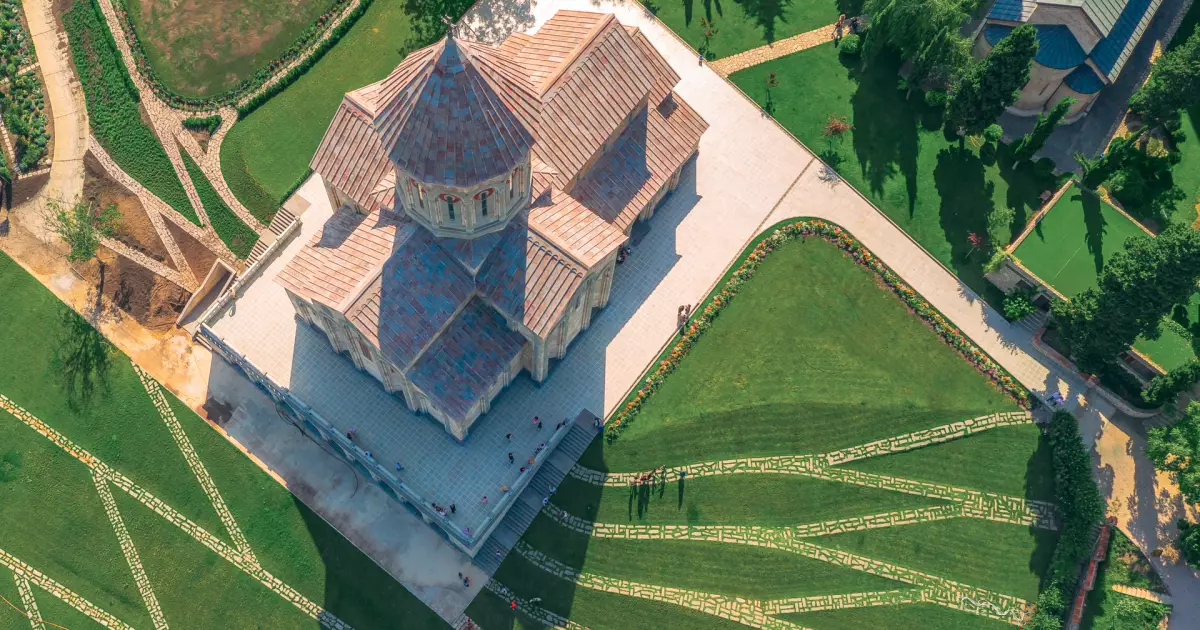 15
Bodbe Monastery is an active Orthodox nunnery and pilgrimage site just outside Sighnaghi. Georgian tradition identifies it with the burial place of St Nino, the missionary associated with Georgia's conversion to Christianity.
Open sightseeing guide →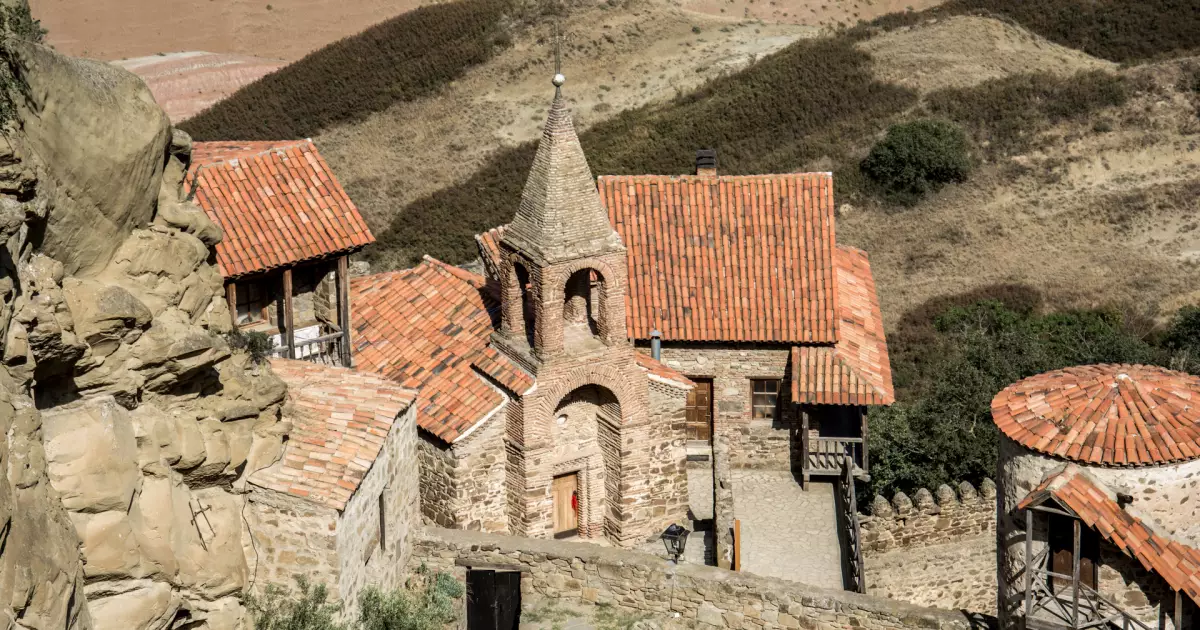 16
David Gareja is a vast rock-cut monastic landscape in the semi-desert of eastern Georgia. The complex began in the sixth century and developed into a network of monasteries, cave cells, churches and practical spaces adapted to an unusually dry environment.
Open sightseeing guide →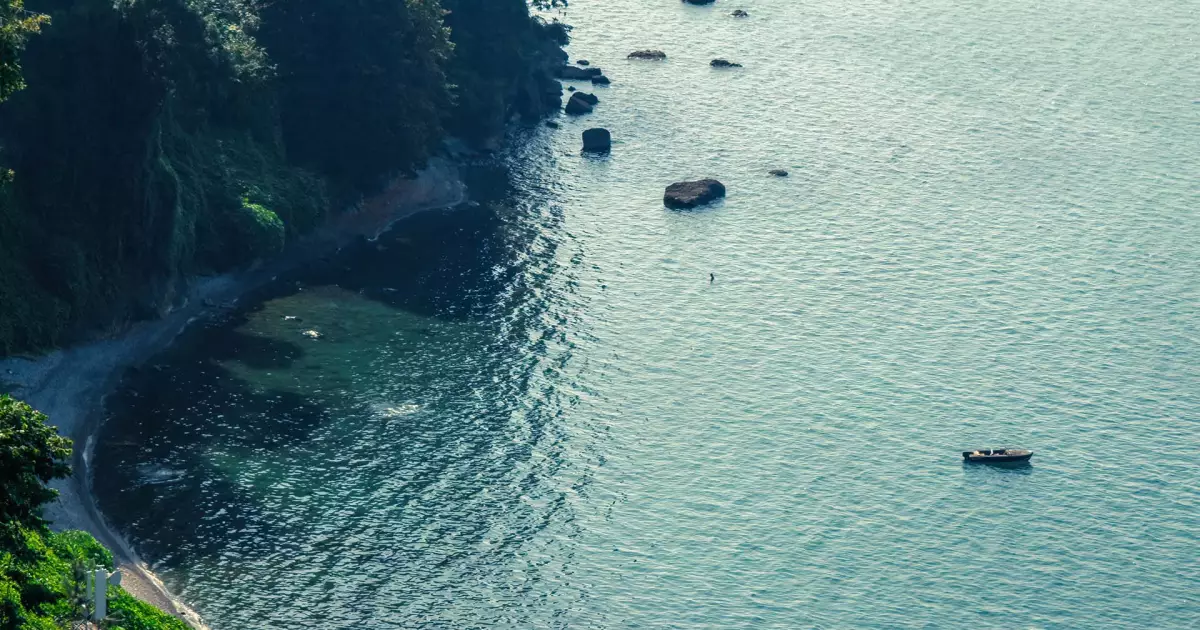 17
Batumi Botanical Garden spreads across the steep subtropical slopes of Green Cape above the Black Sea. Its global plant collections, elevation changes and sea viewpoints make it a full sightseeing walk rather than a small urban garden.
Open sightseeing guide →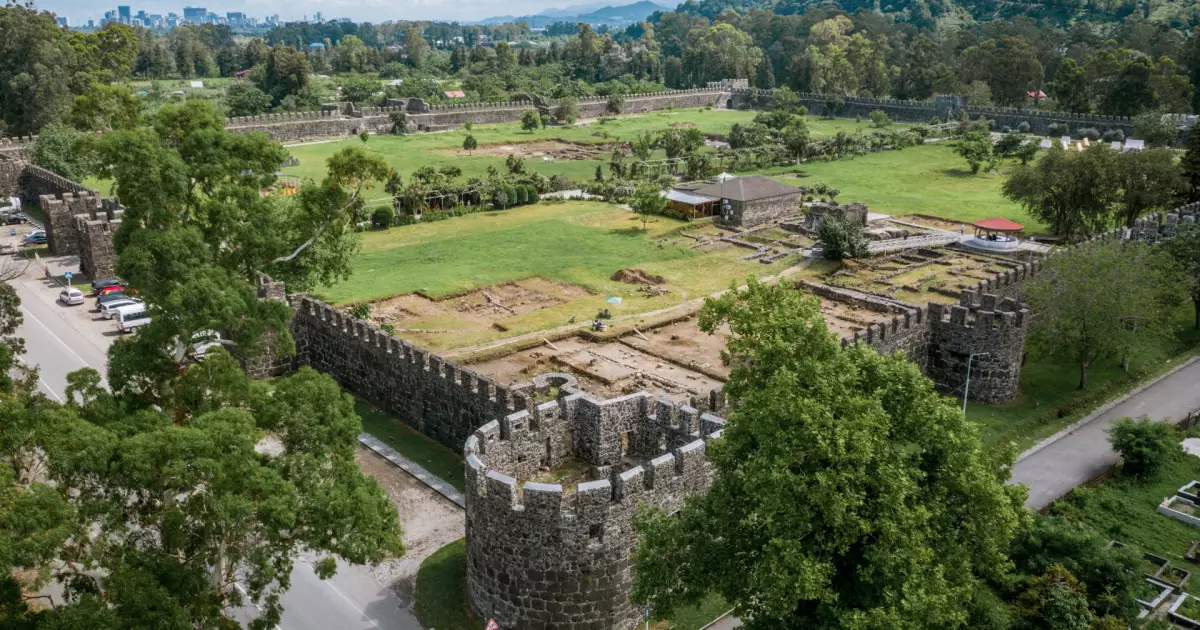 18
Gonio-Apsaros Fortress is a Roman-origin fortified site south of Batumi near the Chorokhi valley. Its long walls, towers and archaeology connect Adjara with Roman, Byzantine and Ottoman history.
Open sightseeing guide → 19
Ushguli is a high-mountain community of five villages in Upper Svaneti beneath Shkhara. Medieval Svan tower houses, the preserved settlement of Chazhashi and the surrounding Caucasus landscape make the place both a cultural and mountain destination.
Open sightseeing guide →20Dashbashi, also known as Tsalka Canyon, cuts into the volcanic plateau around the Ktsia/Khrami River. Waterfalls, dense canyon vegetation and the modern glass bridge create a very different landscape from the open highland above.
Open sightseeing guide → 21
Bagrati Cathedral crowns Ukimerioni Hill above Kutaisi and is one of the city's clearest architectural landmarks. The cathedral is closely associated with King Bagrat III and the political unification of medieval Georgia, while its prominent reconstruction makes it a useful place to discuss both heritage and modern conservation decisions.
Open sightseeing guide →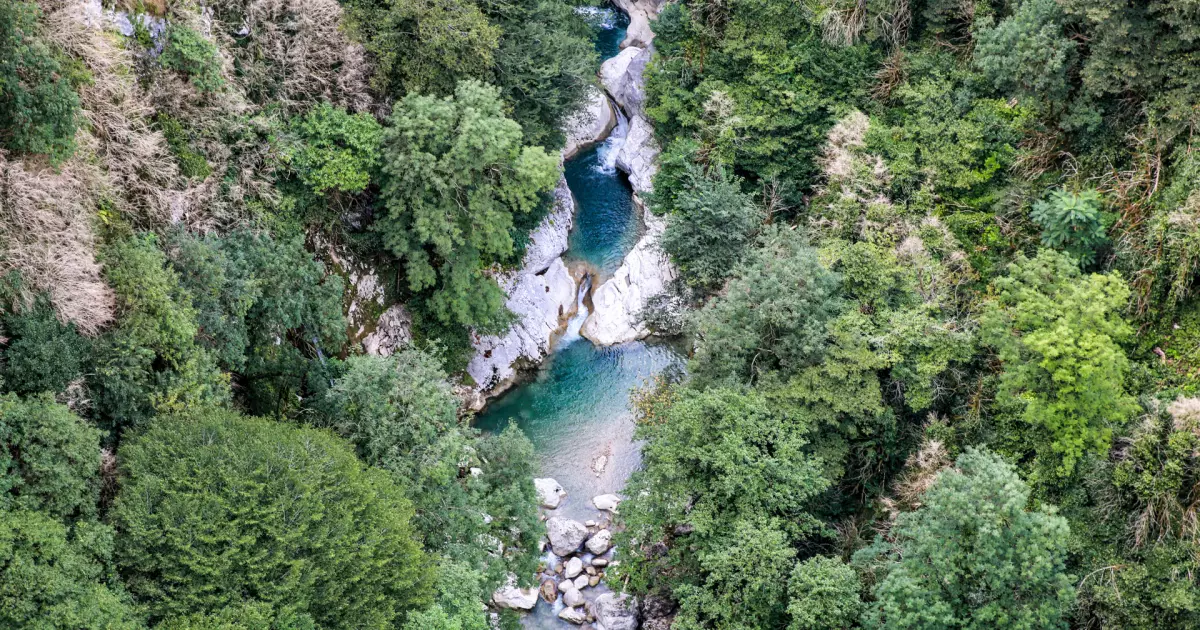 22
Okatse Canyon is a protected limestone gorge near Gordi in Imereti, best known for its cliff-hugging hanging trail and panoramic viewpoint. The approach through the historic Dadiani forest makes the visit more than a single observation deck and gives the canyon a strong walking component.
Open sightseeing guide →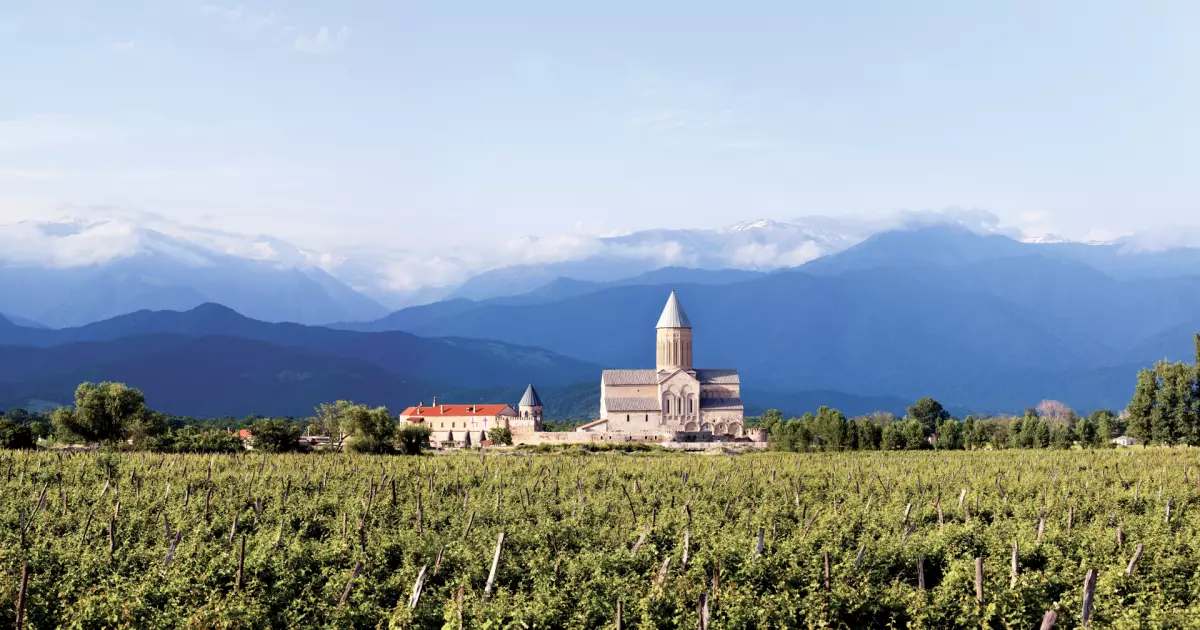 23
Alaverdi Monastery rises from the Alazani Valley north-west of Telavi, backed by the Greater Caucasus. The large eleventh-century St George Cathedral, fortified enclosure and long religious history make it one of Kakheti's most important architectural stops.
Open sightseeing guide → 24
Khertvisi Fortress occupies a rocky promontory near the meeting of the Paravani and Mtkvari rivers on the road between Akhaltsikhe and Vardzia. Its citadel, enclosing walls and valley position make it one of the easiest southern Georgian fortresses to read in strategic landscape context.
Open sightseeing guide →25Mtirala National Park protects exceptionally humid Colchic forest in the mountains behind Georgia's Black Sea coast. Marked trails, waterfalls and dense subtropical vegetation make it the most useful nature counterpoint to a Batumi-focused itinerary.
Open sightseeing guide →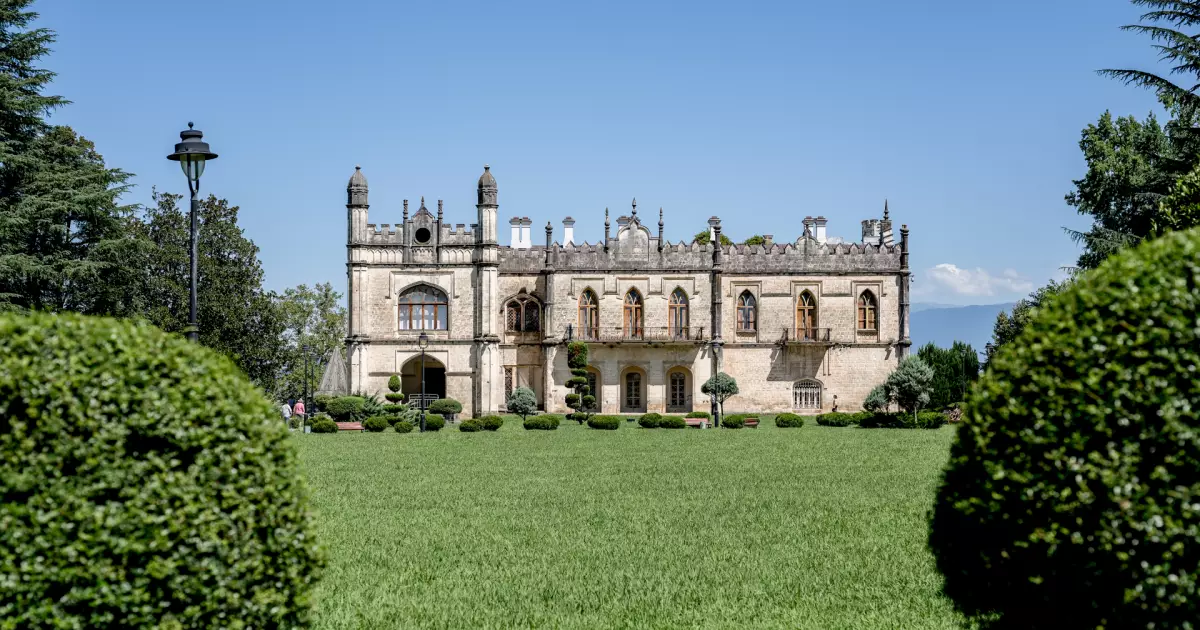 26
The Dadiani palace complex in central Zugdidi preserves the residence and collections of Samegrelo's ruling dynasty alongside a historic garden landscape. It is one of the most useful cultural stops for understanding western Georgian aristocratic history before continuing into Svaneti or the Black Sea lowlands.
Open sightseeing guide →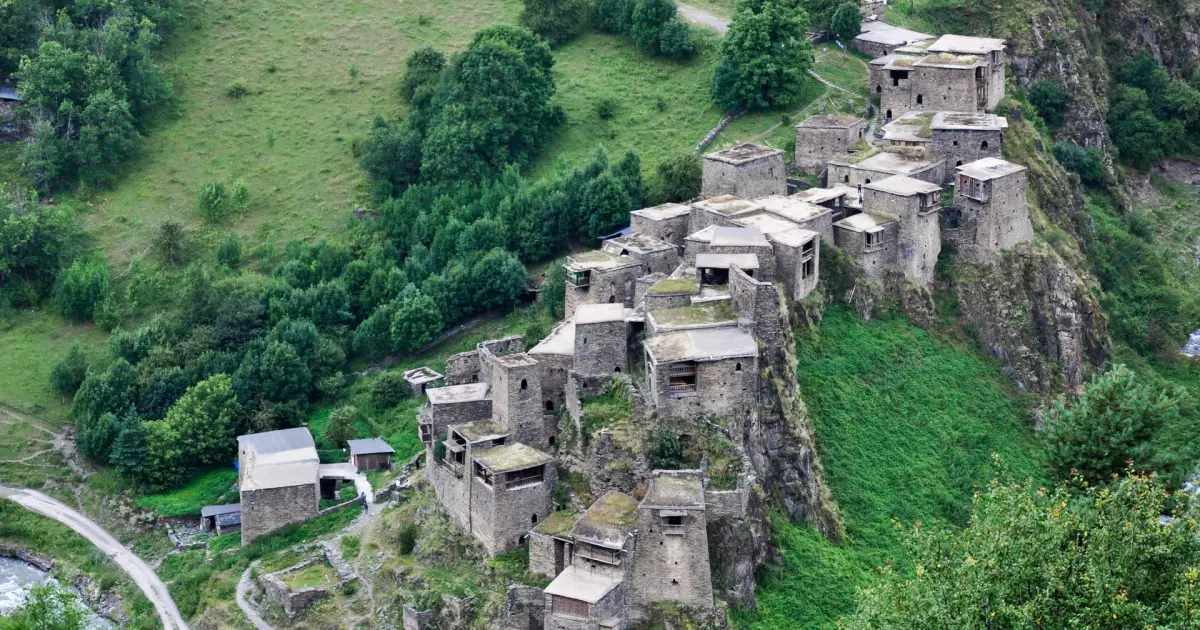 27
Shatili is a compact fortified village in Upper Khevsureti where stone tower-houses, terraces and covered passages form a single defensive settlement above the Arghuni valley. Its remote Caucasus setting makes the journey part of the attraction, so it is best planned as an overnight mountain stop rather than a quick photo detour.
Open sightseeing guide →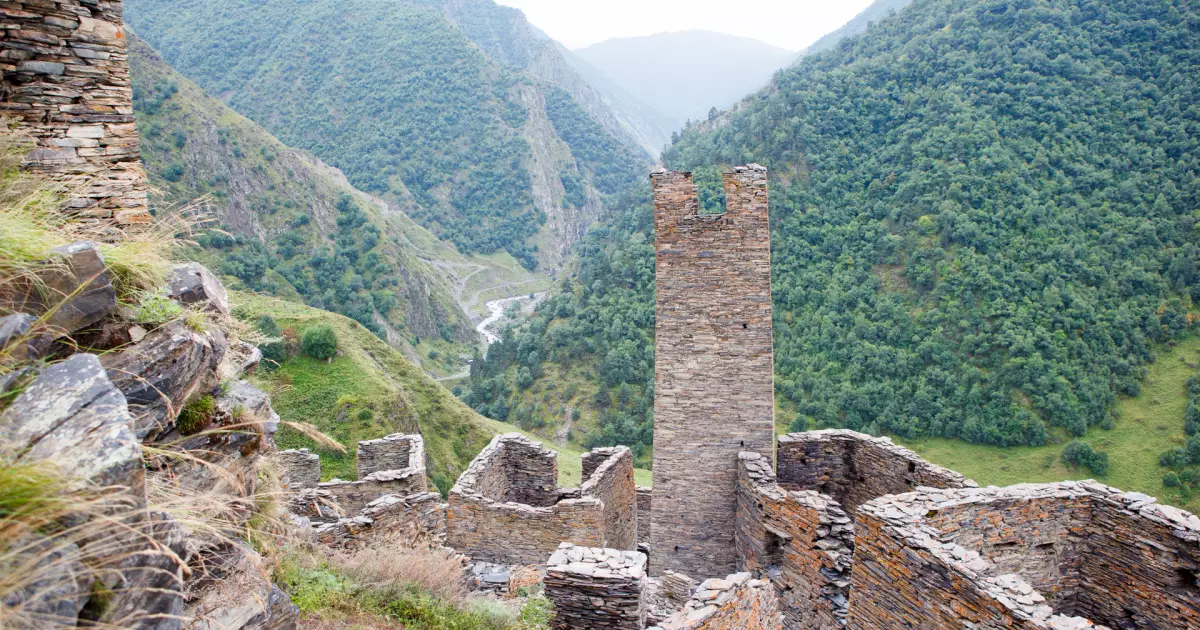 28
Mutso is a steep fortress-village in northern Khevsureti, built on terraces above the Andaki valley and reached from the Shatili road. Restored defensive towers and houses cling to the rocky slope, making the final climb an unusually direct encounter with the region's fortified mountain architecture.
Open sightseeing guide →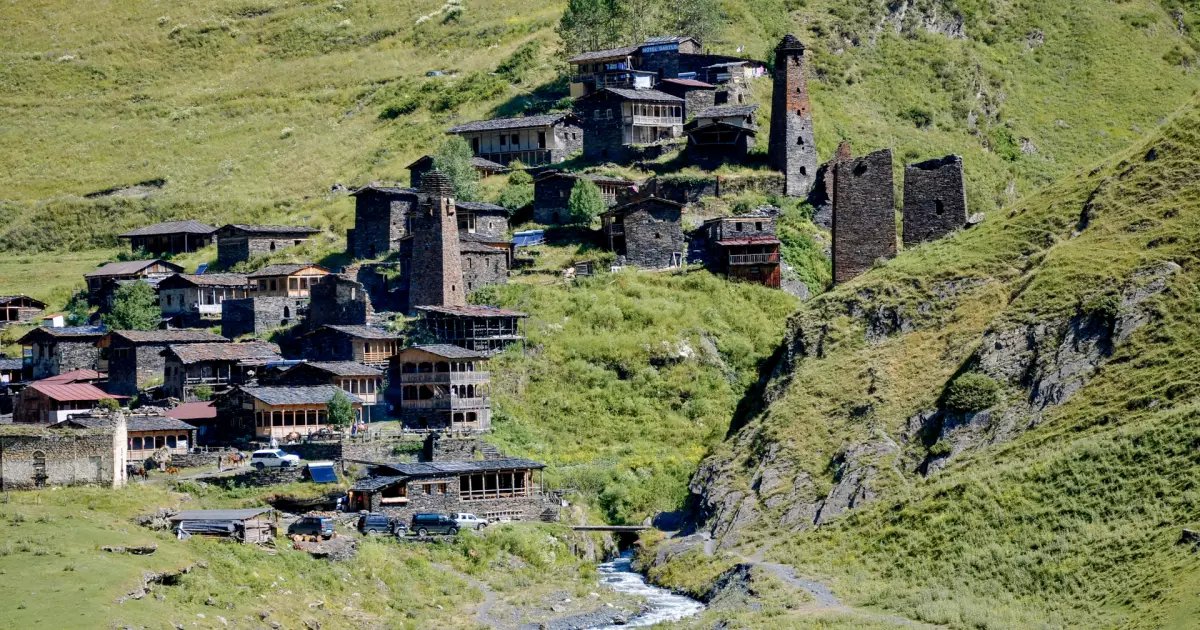 29
Dartlo is a high-mountain village in Tusheti's Pirikiti Alazani valley, known for its stone houses, defensive towers and unusually rich concentration of cultural monuments. It works best as part of a multi-day Tusheti route from Omalo, where the slow road and mountain conditions are central to the trip rather than incidental logistics.
Open sightseeing guide →30Shekvetili Dendrological Park is a large planted landscape on Guria's Black Sea coast, combining mature trees from western Georgia and other continents with lakes, bamboo paths and animal enclosures. It is one of the easiest family-friendly nature stops to add between Batumi, Kobuleti, Ureki and the rest of western Georgia.
Open sightseeing guide →31Nikortsminda Cathedral is an early-11th-century church in Racha celebrated for unusually rich exterior stone carving, a tall dome and later frescoes inside. Its location near Shaori Reservoir makes it one of the most useful cultural anchors for a first route through Racha rather than a monument that requires a separate detour.
Open sightseeing guide →