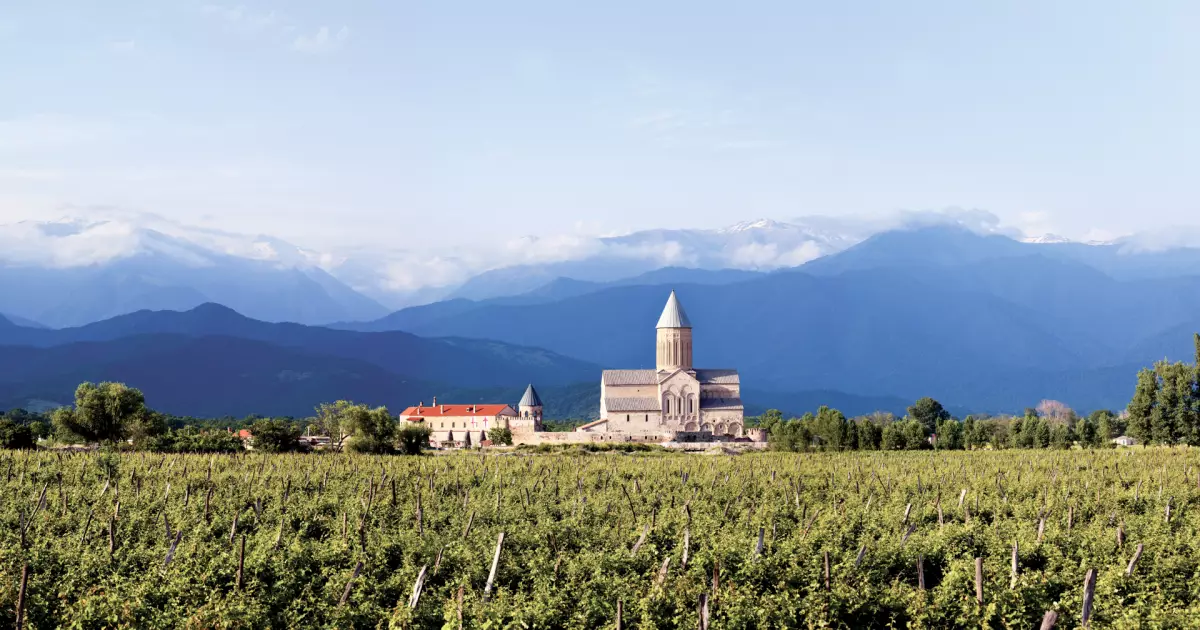
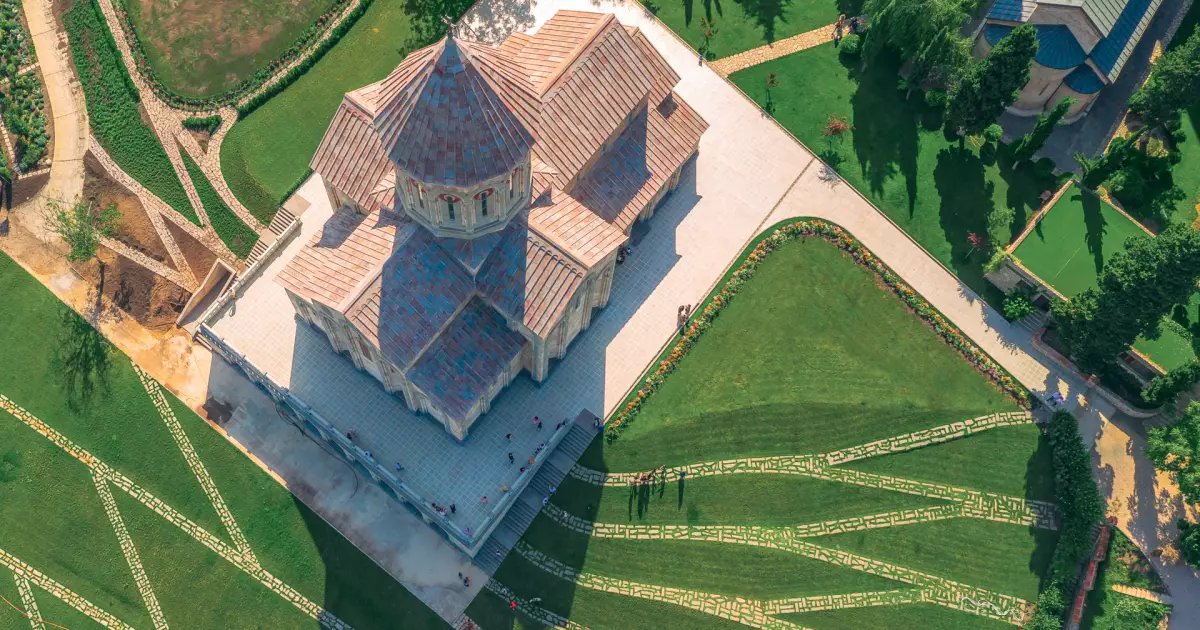
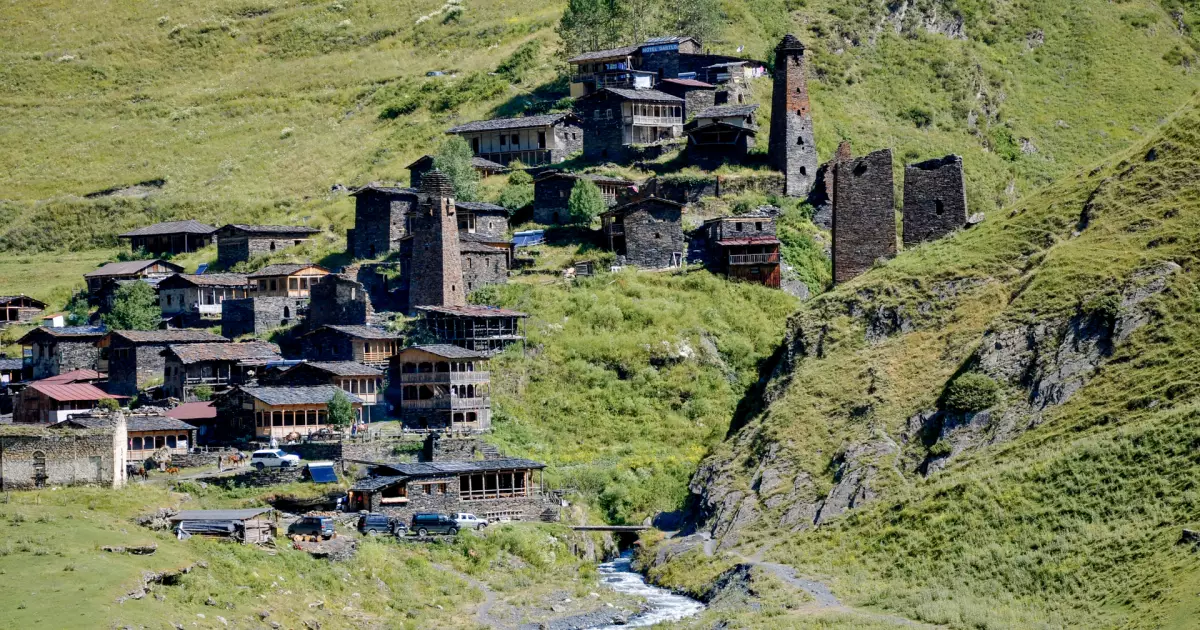
Why add Sighnaghi to a Georgia itinerary?
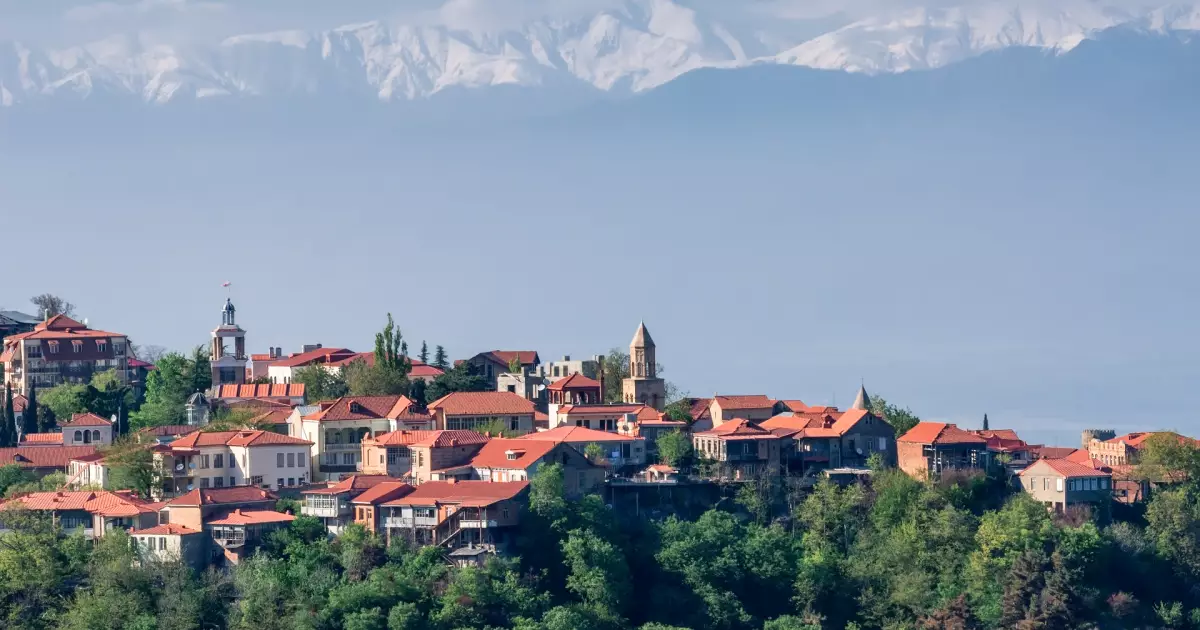
Sighnaghi's romantic image can hide its original purpose. The town's walls were a practical defensive project built in the 18th century, and their scale makes more sense when you view the ridge as part of Kakheti's wider frontier landscape. Use Sighnaghi as the practical starting point, then check the exact map position before fitting the stop into a wider Kakheti route.
How to plan Sighnaghi City Wall into your route
Start with the site itself, then use the closest complementary stops to avoid a day of unnecessary backtracking. These three pairings are the most useful places to consider first.
Bodbe Monastery
Major pilgrimage site about two kilometers from town.
Sighnaghi Museum
Regional art and archaeology collection.
St Stephen Church
Church integrated with the King's/Kiziqi tower area.
How Sighnaghi became the place you see today
Sighnaghi's romantic image can hide its original purpose. The town's walls were a practical defensive project built in the 18th century, and their scale makes more sense when you view the ridge as part of Kakheti's wider frontier landscape.
King Erekle II strengthened the town in the 18th century
The major fortification campaign dates to 1762 under King Erekle II. Kakheti faced repeated military pressure, and the ridge above the Alazani Valley offered a defensible position for a protected settlement.
This was a fortified town, not a small castle
The surviving wall circuit extends for several kilometres and once enclosed a large urban area. Towers and gates broke up the circuit, controlling access from surrounding villages and roads. Walking even a short surviving section gives a better sense of the town's scale than seeing one viewpoint alone.
Defensive topography became one of Kakheti's best viewpoints
The same ridge that made Sighnaghi defensible now opens long views over the Alazani Valley toward the Greater Caucasus. That is why history, town walking and landscape photography fit together unusually well here.
A bookable way to experience Kakheti
We only add an activity recommendation where it improves the route rather than duplicating something that is easier to visit independently. Check the live product page for the current operator, price, inclusions and cancellation terms before booking.
 Kakheti
Kakheti wine tour with Sighnaghi & Bodbe
Kakheti is easy to underestimate on a map. A guided wine-country day connects Sighnaghi, Bodbe, local food traditions and tastings while removing the obvious problem of driving between wineries after drinking.
King Erekle II built the major fortress in 1762
The fortification belongs to the eighteenth-century strengthening of Kakheti's eastern defenses.
Trip.com also carries a Tbilisi departure covering Sighnaghi, Bodbe and wine-country stops, so travelers can compare the same broad Kakheti day across providers.
What to see at Sighnaghi City Wall
I would not rush straight to the most photographed angle. These are the details that make the visit more useful once you are actually there.
Walk an accessible stretch of the fortress wall
The battlements and towers give the clearest sense of Sighnaghi as a fortified town rather than just a collection of photogenic streets.
Use the wall for Alazani Valley views
On clear days the ridge position opens wide views across Kakheti toward the Greater Caucasus.
Continue into the compact old town
The wall makes most sense together with Sighnaghi's streets, museum and small churches, all of which fit naturally into one walking day.
Sighnaghi City Wall: facts that add context to the visit
King Erekle II built the major fortress in 1762
The fortification belongs to the eighteenth-century strengthening of Kakheti's eastern defenses.
The walls extend for about four kilometers
They enclosed a large area of roughly 40 hectares around the historic settlement.
Six arched gates controlled access
The gate system connected the fortified town with surrounding roads and villages.
The circuit included 23 military towers
Most towers were two stories high, creating the repeating defensive rhythm visible around the ridge.
Where is Sighnaghi City Wall?
Sighnaghi City Wall is in Kakheti, with the map pin at approximately 41.618610, 45.921670. Use the location map for route planning rather than estimating travel from the name of the nearest town alone.
Things to see near Sighnaghi City Wall
Bodbe Monastery
Major pilgrimage site about two kilometers from town.
Sighnaghi Museum
Regional art and archaeology collection.
St Stephen Church
Church integrated with the King's/Kiziqi tower area.
Vakiri
Nearby village with St John the Baptist Church.
Khirsi Monastery
Historic monastery on a wider Kakheti route.
Planning the visit
- Stay overnight if you want a slower Kakheti route instead of treating Sighnaghi as a rushed day trip from Tbilisi.
- The town is hilly; comfortable walking shoes matter if you plan to combine walls, churches and viewpoints.
- Use the location map to group Sighnaghi with Bodbe before adding wineries farther across the Alazani Valley.
Use Sighnaghi as the accommodation starting point.
Compare real directory listings by map position and current booking source instead of choosing a room before you choose the route.
Booking.com links may earn Georgian Stays a commission at no extra cost to you.
Where the facts and image come from
Stable historical and geographic claims are checked against tourism, heritage or reference sources. Prices, opening hours and temporary access rules are deliberately not frozen into this article; use the current official source before travel.