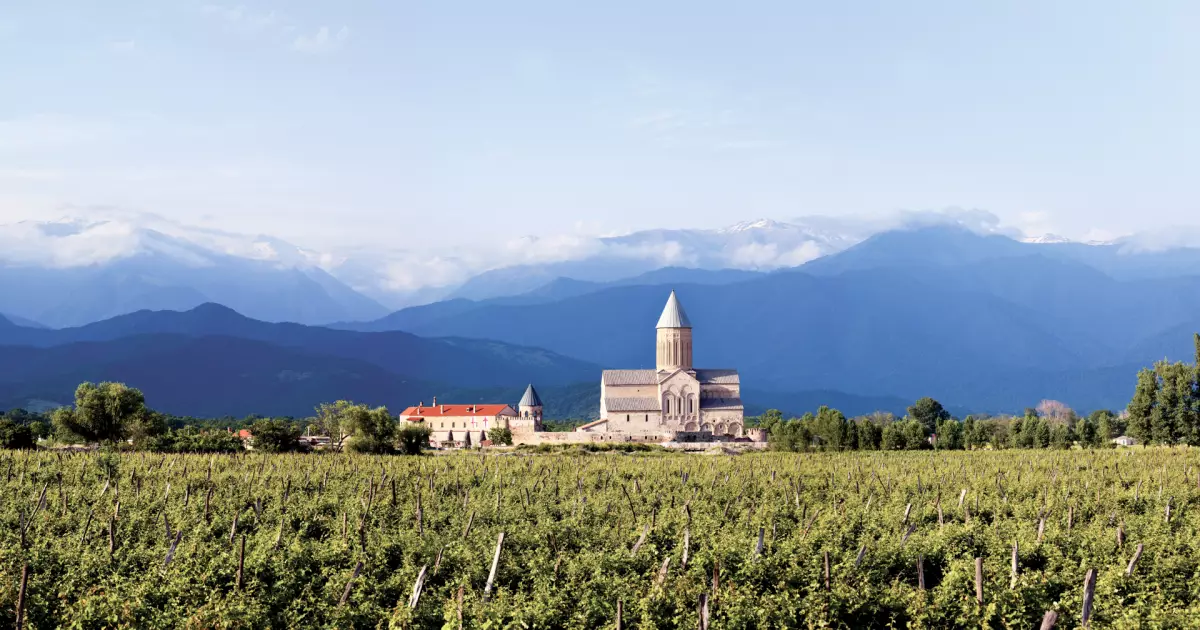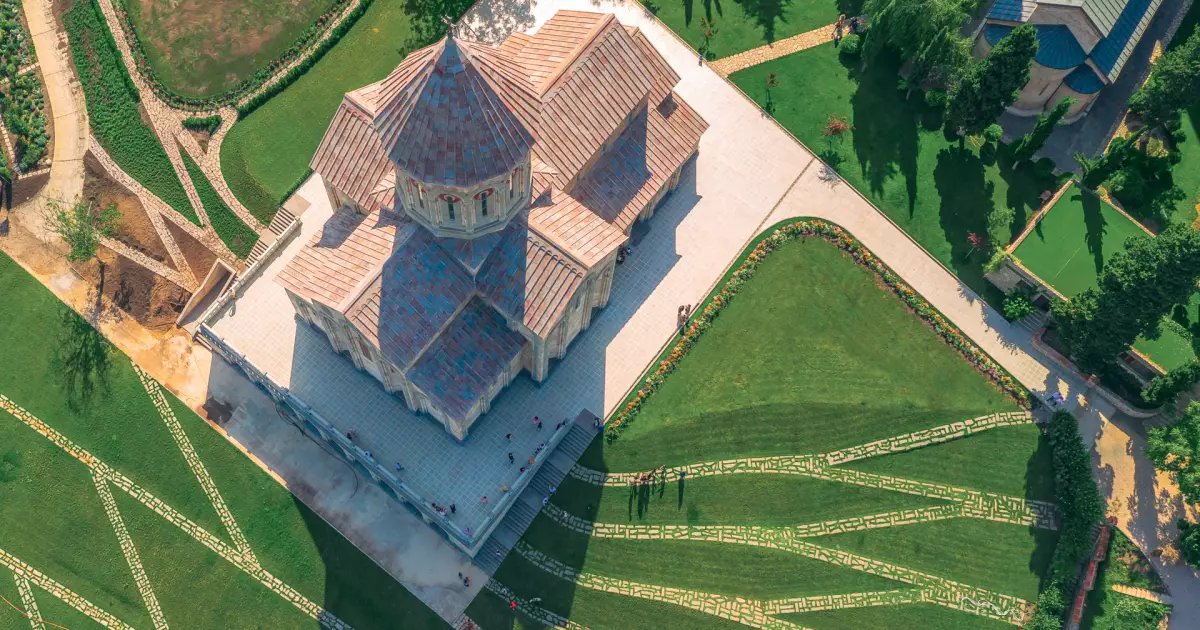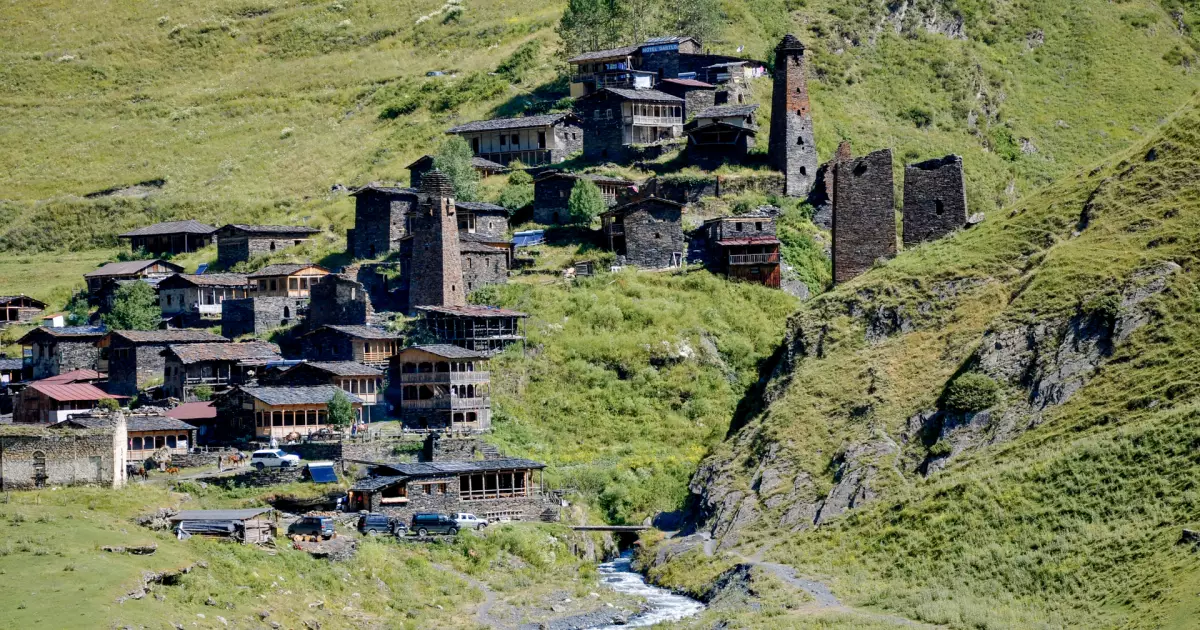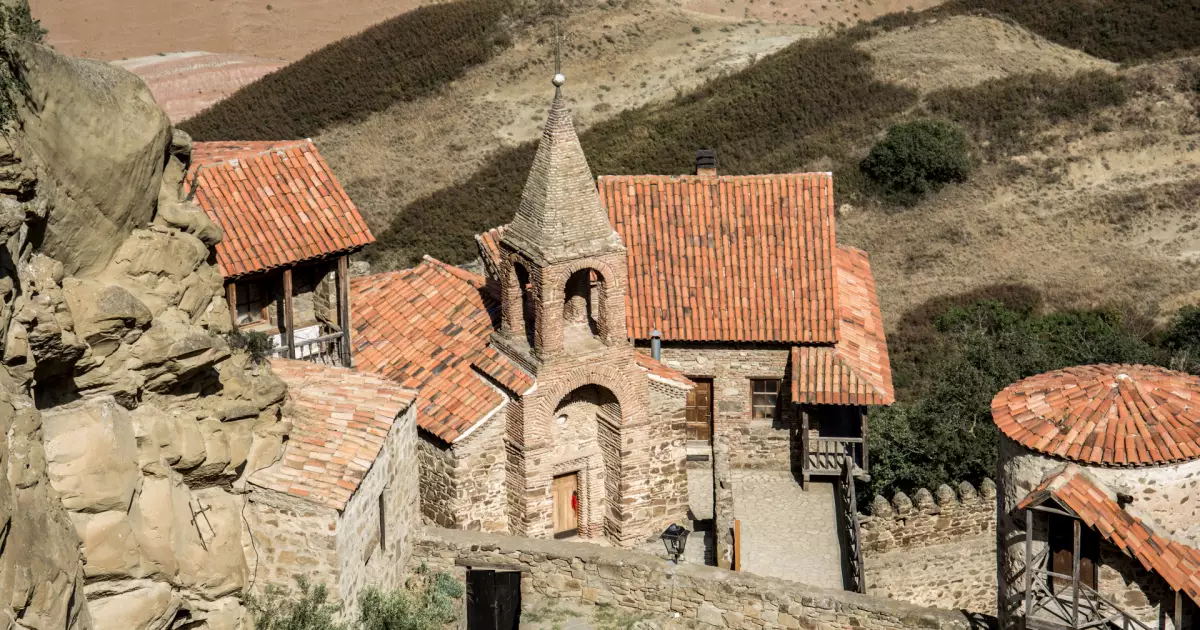

Why add David Gareja to a Georgia itinerary?
The lavra is the central and most accessible part of the monastic landscape, where architecture built against the rock makes the cave origins of the complex easy to understand. Use Kakheti / Udabno route as the practical starting point, then check the exact map position before fitting the stop into a wider Kakheti route.
How to plan David Gareja Monastery into your route
Start with the site itself, then use the closest complementary stops to avoid a day of unnecessary backtracking. These three pairings are the most useful places to consider first.
Dodo's Rka
Historic monastery within the wider Gareja complex.
Natlismtsemeli
John the Baptist monastery in the broader monastic landscape.
Udabno
Village used as a practical route landmark in the semi-desert.
What to see at David Gareja Monastery
I would not rush straight to the most photographed angle. These are the details that make the visit more useful once you are actually there.
Start with David's Lavra
The lavra is the central and most accessible part of the monastic landscape, where architecture built against the rock makes the cave origins of the complex easy to understand.
Look for water-management traces
Channels and reservoirs are crucial to reading the site because the monks had to collect and conserve water in a semi-desert environment.
Treat the wider complex as a landscape, not one building
David Gareja historically included multiple monasteries and hermitages spread through the hills, so a single pin on the location map represents only the practical visitor focus.
David Gareja Monastery: facts that add context to the visit
The complex began in the sixth century
David Garejeli, one of the Thirteen Assyrian Fathers in Georgian tradition, founded the first monastic community here.
The historic landscape includes many monasteries
UNESCO's Tentative List dossier describes 19 medieval monasteries and thousands of monastic cells across the broader complex.
The caves included everyday working spaces
Beyond chapels and cells, the monastic settlements contained barns, bakeries and workshops needed for self-sufficient life.
Some murals date to the eighth century
The painting tradition expanded strongly in later centuries, including royal portraits and major medieval fresco cycles.
It is not an inscribed UNESCO World Heritage Site
David Gareja has been on Georgia's UNESCO Tentative List since 2007. Tentative status should not be confused with full World Heritage inscription.
Where is David Gareja Monastery?
David Gareja Monastery is in Kakheti, with the map pin at approximately 41.447300, 45.376500. Use the location map for route planning rather than estimating travel from the name of the nearest town alone.
Things to see near David Gareja Monastery
Dodo's Rka
Historic monastery within the wider Gareja complex.
Natlismtsemeli
John the Baptist monastery in the broader monastic landscape.
Udabno
Village used as a practical route landmark in the semi-desert.
Chichkhituri
Historic monastic site in the Gareja hills.
Planning the visit
- Because the complex lies in an exposed semi-desert area, check current road and access information before setting out.
- Do not assume every historic cave or ridge is currently open to visitors; follow current official/local guidance.
- Carry enough water and sun protection for the conditions rather than treating the trip like an urban monastery visit.
Use Kakheti / Udabno route as the accommodation starting point.
Compare real directory listings by map position and current booking source instead of choosing a room before you choose the route.
Booking.com links may earn Georgian Stays a commission at no extra cost to you.
Where the facts and image come from
Stable historical and geographic claims are checked against tourism, heritage or reference sources. Prices, opening hours and temporary access rules are deliberately not frozen into this article; use the current official source before travel.