Two sides of Tsinandali
Choose between a historic palace-and-cellar visit and a working winery, then plan your short journey from Telavi.
Tsinandali is best understood through two separate stops: Chavchavadze's museum estate for cultural history and Shumi for a present-day producer's perspective.
- Where
- Tsinandali village, around 9 km east of Telavi in Kakheti; the estate museum and Shumi are separate nearby properties.
- Stay and transport
- Base in Telavi or confirm an estate hotel stay; arrange a driver for any itinerary involving wine tasting.
- Tours & tastings
- Compare guided wine experiences ↓
Area search, not a confirmed venue entrance. Use the guide's visitor details for the final approach.
In this guide
Wineries in Tsinandali: How to Visit the Estate and Shumi
Tsinandali is both a village east of Telavi and a name with a place in Georgian wine history. The village's best-known landmark is the former home of Aleksandre Chavchavadze, the poet and nineteenth-century public figure whose house, landscaped grounds and historic wine cellar now form a museum-centered estate. Close by, Shumi Winery operates as a separate family-owned wine producer. These are distinct places with different tickets, programs and reasons to visit; choosing between them depends on how you want to spend the day.
A further layer of potential confusion is the wine appellation itself. The National Wine Agency recognizes Tsinandali as a protected designation of origin. Seeing that name on a bottle does not mean the wine was made inside the Chavchavadze house or by Shumi. A visit to the village is a chance to understand the geography behind the label, the early history of European-style bottling in Georgia and what producers in the region are doing now, without imagining that every cellar offers the same kind of tasting.
Find your Kakheti wine experience.
Choose a day around the wine, the food or the places you want to see. Compare these partner tours, then select your date and party on the booking site.
 Regional photograph
Kakheti cellars, tastings & lunch
- Starts in
- Tbilisi hotel pickup
- Allow
- About 9 hours
Make cellar visits and wine-country food the focus of the day. The listing describes vineyard time and return transport, rather than a visit to one guaranteed named estate.
Before booking: Confirm the lunch menu, winery stops and which drinks or additional tastings cost extra.
View tour & dates on Booking.com ↗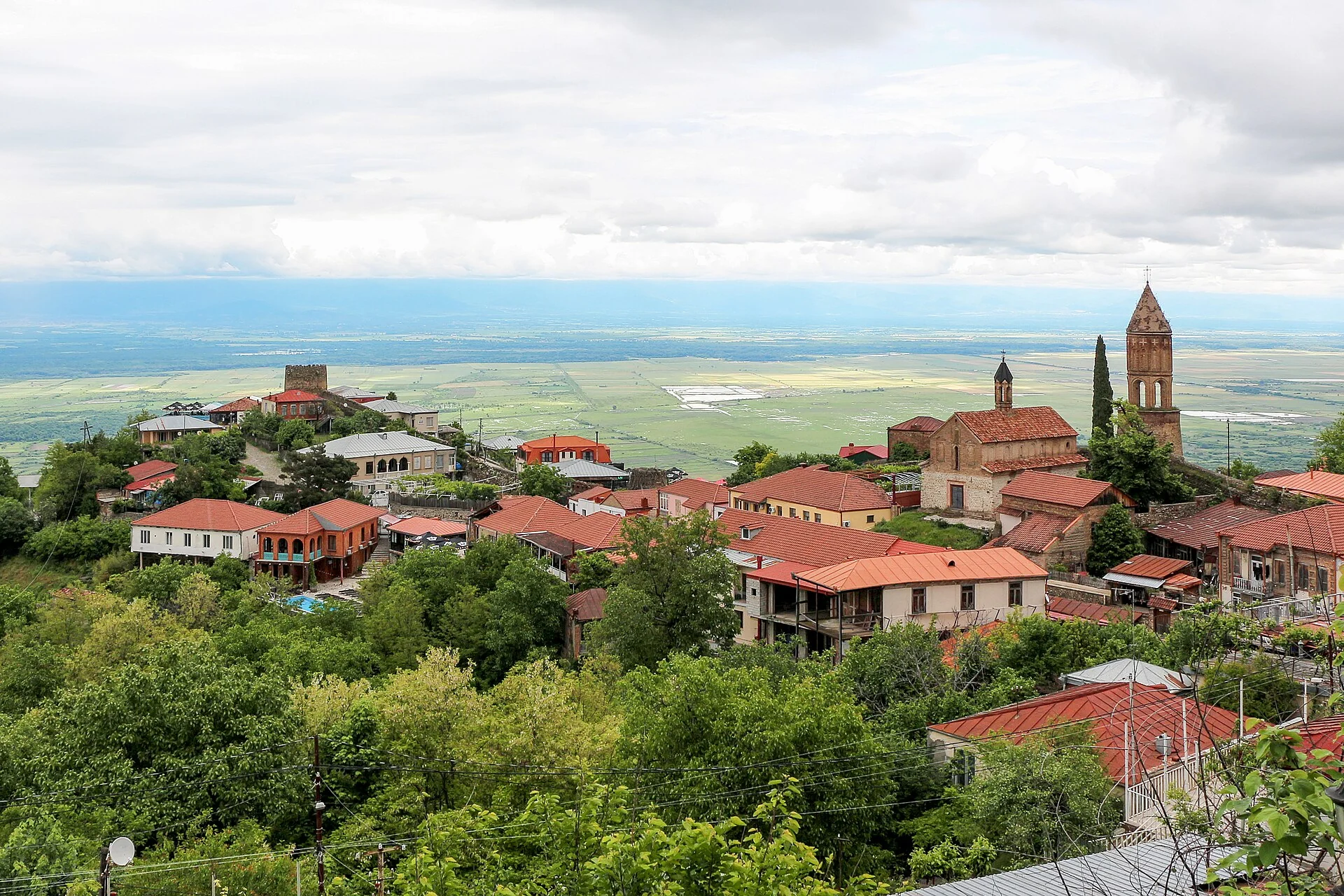 Regional photograph
Kakheti wine, Sighnaghi & Bodbe
- Starts in
- Tbilisi
- Allow
- About 9 hours
Combine a wine-country introduction with Sighnaghi, Bodbe and Georgian food traditions. A useful choice when you want a varied day rather than one estate appointment.
Before booking: Check the tastings and food workshops included in your chosen option; dinner is separate.
View tour & dates on Booking.com ↗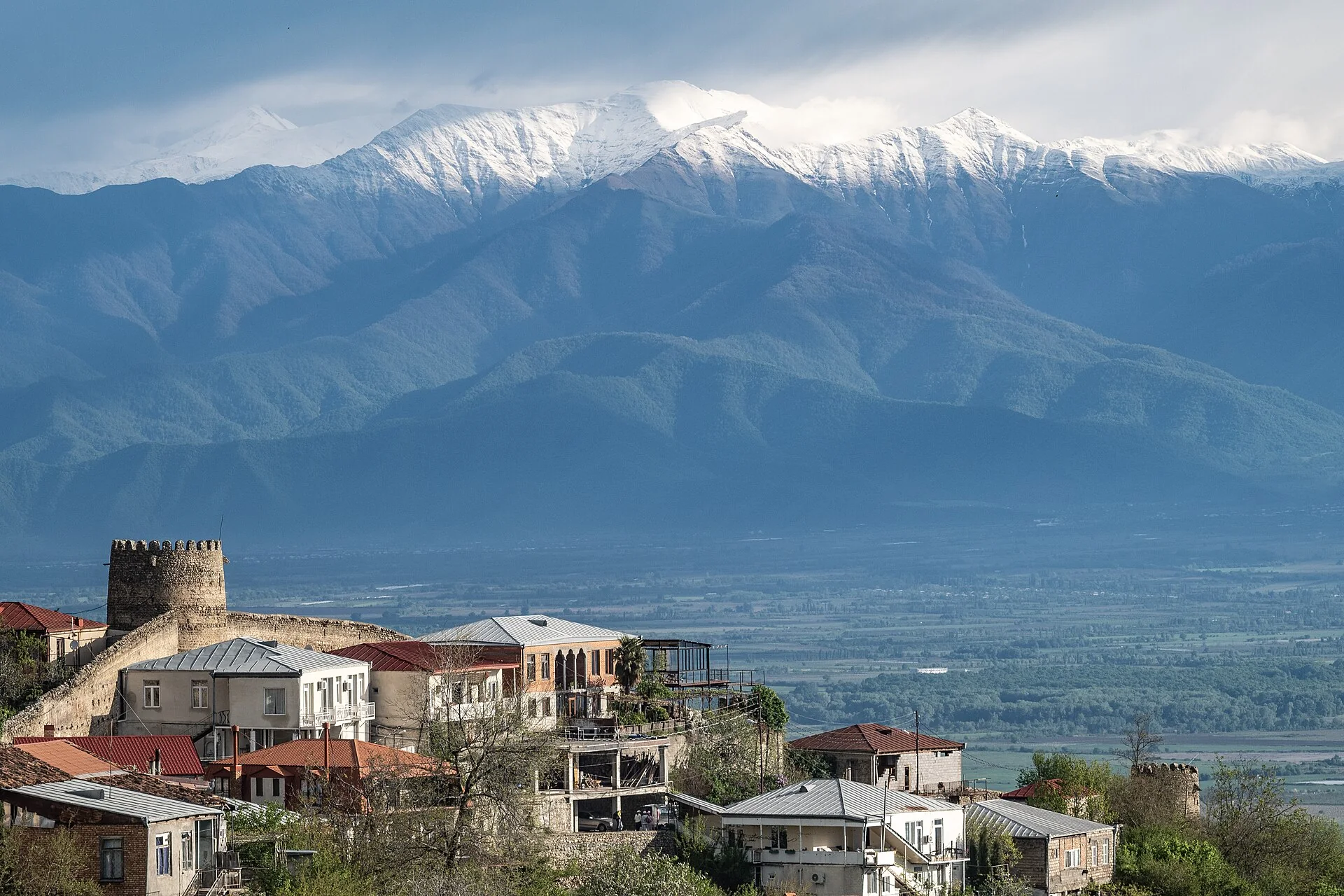 Regional photograph
Sighnaghi, Bodbe & Chronicles wine day
- Starts in
- Tbilisi meeting point
- Allow
- About 10 hours
Compare another Tbilisi departure combining Kakheti wine-country stops with Sighnaghi and Bodbe. The current product also names the Chronicles of Georgia in its route.
Before booking: Check the current stops, tasting inclusions, meeting point and package terms on Trip.com.
View tour & dates on Trip.com ↗Product descriptions reviewed 15 October 2026. Prices, dates, stops and inclusions can change; confirm the selected package with the provider. Arrange a non-drinking driver for independent winery visits.
Tour references & photograph credits
The photographs show the region or wine setting, not a documented group on the advertised tour.
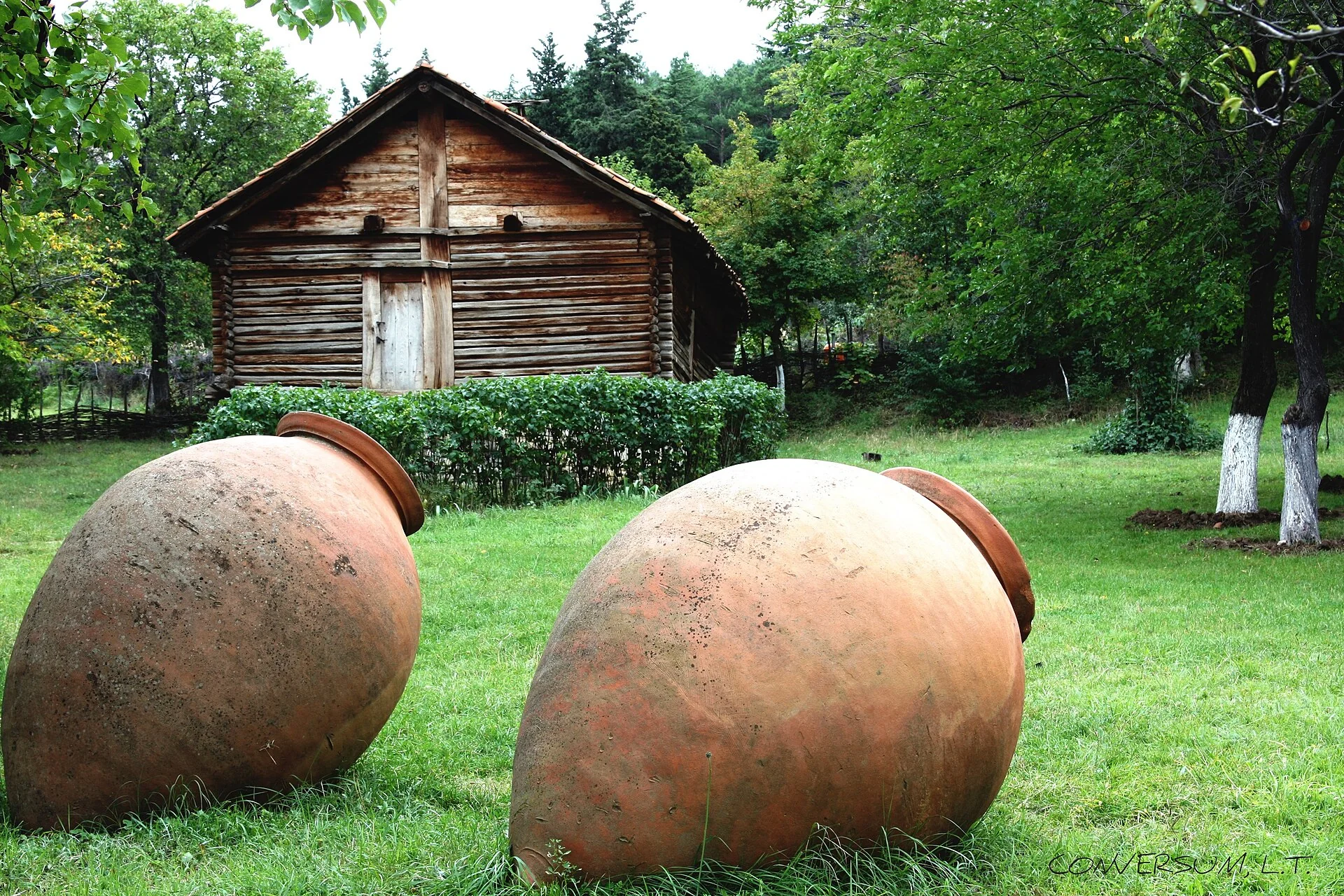
Traditional Georgian clay qvevri wine-making vessels. Levan Totosashvili. Photo source · CC BY-SA 2.0. Resized and converted to WebP. Responsive copies resized and compressed to WebP.
View across Sighnaghi in Kakheti, Georgia. Bernard Gagnon. Photo source · CC BY 4.0. Resized by Wikimedia to a maximum 1920px width where applicable and converted to WebP. Responsive copies resized and compressed to WebP.
Sighnaghi fortress wall with the mountain backdrop across the Alazani Valley. Vladimir Pankratov. Photo source · CC BY-SA 2.0. Resized to a maximum 1920px width and converted to WebP. Responsive copies resized and compressed to WebP.
Start with the Chavchavadze house and its living cultural history
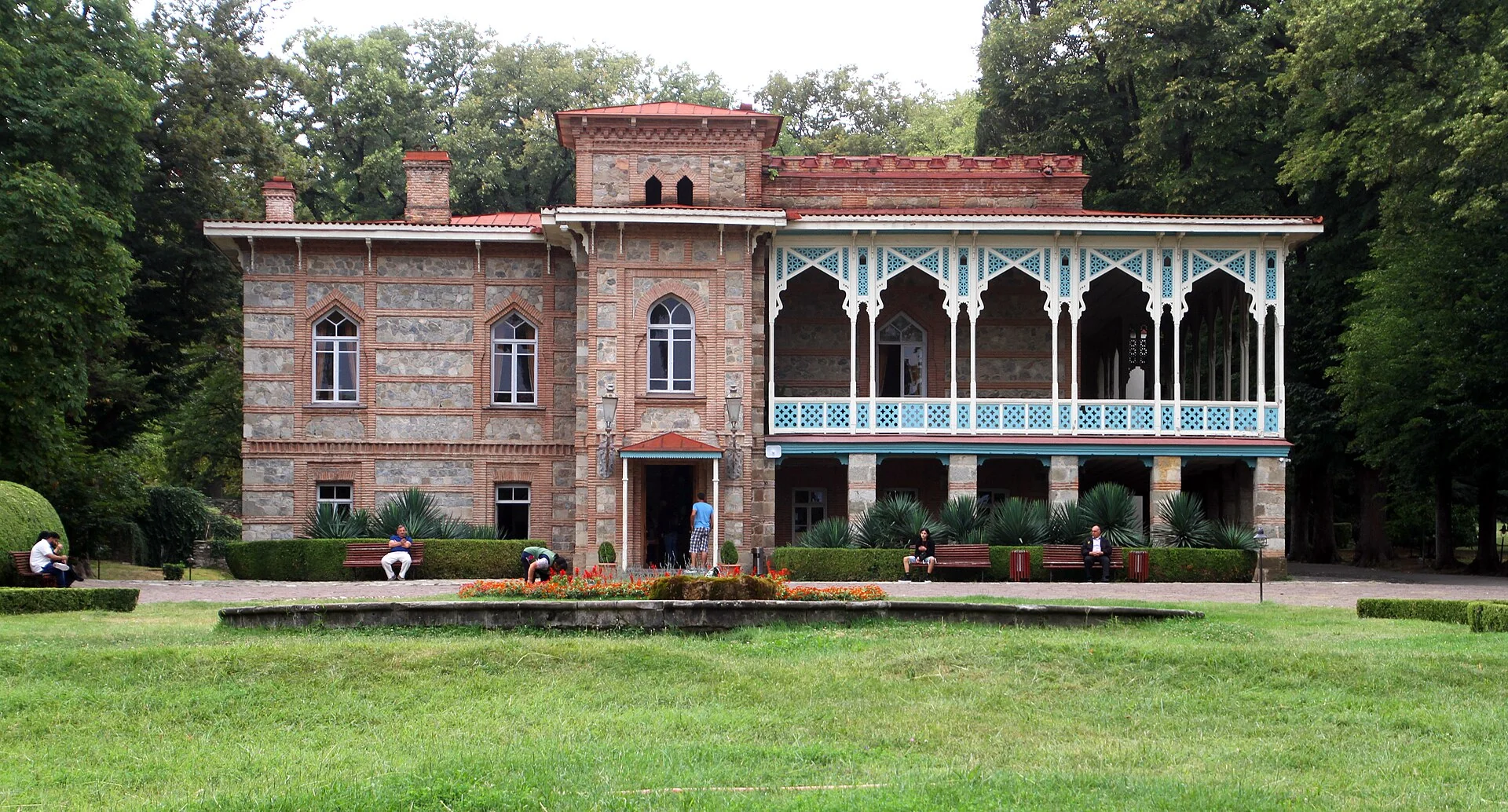
Georgia's national tourism authority describes the Tsinandali house museum as a nineteenth-century center of literary and musical life, where Aleksandre Chavchavadze and Salome Orbeliani hosted writers, artists and visitors from abroad. Its appeal is consequently much broader than wine. The palace rooms, surviving family objects, manuscripts, garden design and the story of the salon all belong to the visit. Someone accompanying a wine enthusiast can enjoy the estate for its cultural heritage without taking part in an alcoholic tasting.
The estate's historic cellar is the bridge from that domestic history to wine. Georgia Travel credits Chavchavadze with pioneering European-style wine bottling in Georgia and describes a substantial historic bottle collection; the estate operator advertises cellar and wine-related experiences today. Ask whether your chosen museum entry includes the cellar, whether a wine tour is a separate reservation and how the park can be visited. The hotel's dining and accommodation facilities occupy the broader estate setting but should not be confused with ordinary museum admission.
Continue to Shumi for the viewpoint of an active producer
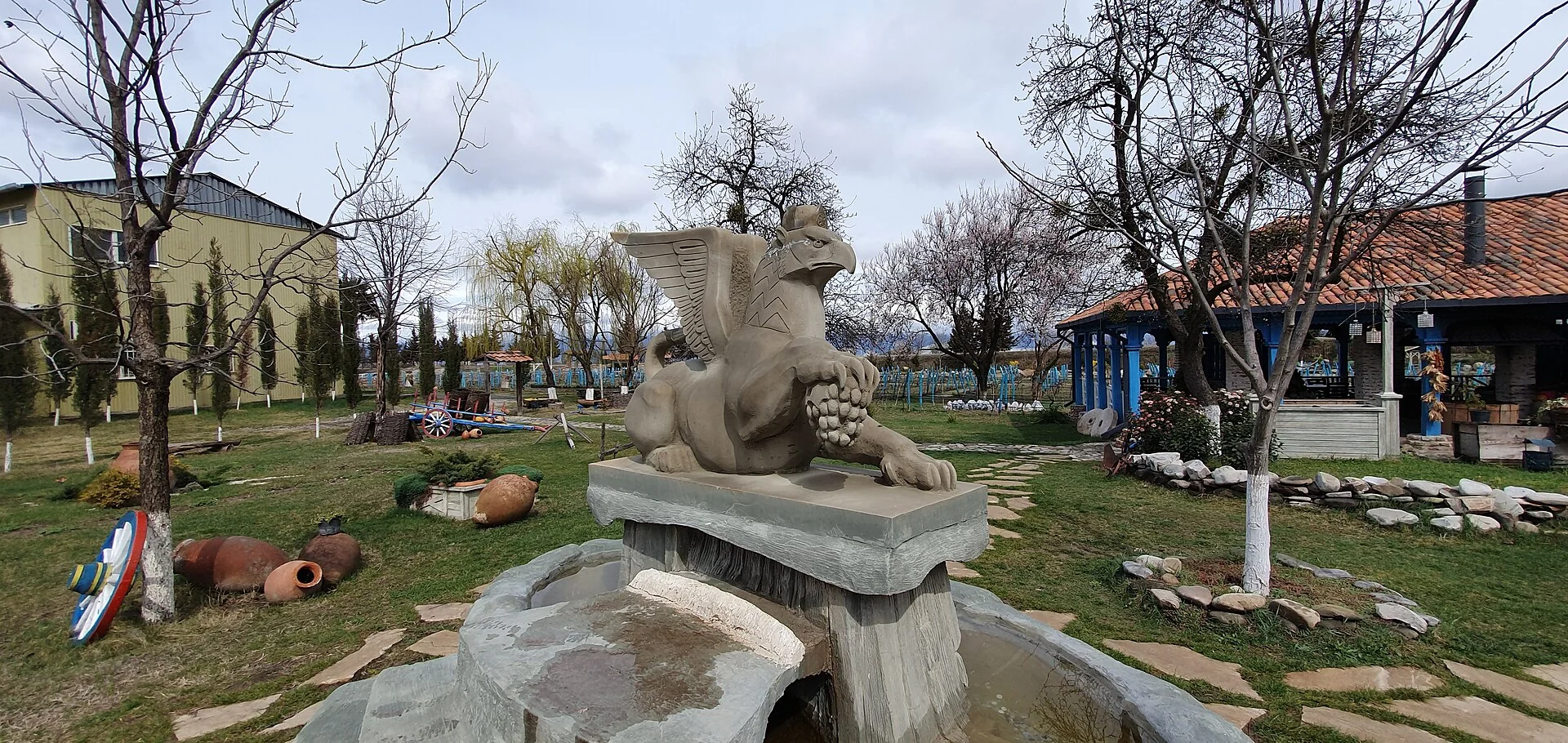
Shumi identifies itself as a family-owned winery founded in 1997 on a site beside the Chavchavadze museum and park. Its own description emphasizes vineyards in several Kakhetian appellations, native grape varieties and current winemaking. That makes it useful alongside the historic palace: instead of treating wine as a preserved artifact, you can ask a producer about grape growing, fermentation choices and how different local vineyards contribute to a contemporary range. The adjacency of the properties makes comparison convenient, but their operations are independent.
Before arrival, contact Shumi to establish the public experiences offered on your date. A winery's portfolio and promotional images do not guarantee that visitors may enter every production area, view harvest work or sample a particular bottle. Ask whether tasting, a cellar visit, vineyard interpretation or food is available and whether each has to be reserved separately. Booking a focused producer visit often teaches more than arriving with a vague assumption that any winery door leads straight into a guided tour.
What the Tsinandali name on a bottle means
The National Wine Agency's registration of Tsinandali as a protected appellation means it is a geographical wine designation with defined production requirements, not the name of a single brand or hospitality venue. You may encounter Tsinandali wine in Telavi restaurants, independent wineries and shops beyond the palace grounds. Read the producer on the label as well as the appellation. The distinction makes conversations with guides more productive, especially when learning why place, grape variety and cellar technique are different elements of a wine's identity.
Georgia also has a living qvevri winemaking tradition recognized on UNESCO's Representative List of the Intangible Cultural Heritage of Humanity. Qvevri are large clay vessels used in fermentation and maturation, traditionally set into the ground. Chavchavadze's historical adoption of European-style methods and the country's qvevri heritage can both be part of the same regional story. Neither method is a measure of cultural authenticity on its own, and neither guarantees how a particular wine will taste.
Arrange a realistic Tsinandali visit from Telavi
Georgia Travel places Tsinandali roughly nine kilometres east of central Telavi, making it a practical excursion for visitors staying in the district. Give the palace and grounds enough time to appreciate them rather than treating the museum as a quick photograph before an appointment elsewhere. If visiting both the museum estate and Shumi, contact each separately to coordinate available tour language, entry permissions, tasting options and how long staff expect you to spend. Published hospitality menus and museum packages change.
The simplest transport decision is to arrange a driver or remain with a designated non-drinking companion when tastings are involved. Do not drive after sampling wine; distances that look short on a map do not change the safety decision. Telavi is a sensible accommodation base for combining Tsinandali with other heritage stops, while staying at the estate is an entirely different lodging choice. Leave room for lunch and a pause in the garden so that the day is a visit rather than a sequence of rushed appointments.
Plan the visit and the journey back.
- Where
- Tsinandali village, around 9 km east of Telavi in Kakheti; the estate museum and Shumi are separate nearby properties.
- Choose history
- Ask Tsinandali Estate about the Chavchavadze house museum, historic cellar, garden access and bookable wine experiences.
- Choose a producer
- Contact Shumi independently for its currently available winery, vineyard, tasting and food arrangements.
- Do not confuse
- Tsinandali is a protected wine appellation as well as a village; it is not one operator's exclusive product.
- Stay and transport
- Base in Telavi or confirm an estate hotel stay; arrange a driver for any itinerary involving wine tasting.
- Book separately
- Museum admission, cellar access, tastings and hotel services can have different conditions and must be verified with each venue.
Area search, not a confirmed venue entrance. Use the guide's visitor details for the final approach.
Useful answers before setting out.
Are Tsinandali Estate and Shumi the same winery?
No. Tsinandali Estate encompasses the historic Chavchavadze house museum, park and cellar experiences; Shumi is a separate family-owned winery established in 1997 beside the heritage grounds.
Can I visit Tsinandali without drinking wine?
Yes. The Chavchavadze house museum, cultural collection and landscaped garden are meaningful attractions on their own. Check current ticketing for the exact areas you want to enter.
Does a wine labelled Tsinandali come from the palace cellar?
Not necessarily. Tsinandali is a registered protected designation of origin; multiple qualifying producers can use the geographical wine name under its rules.
Can I visit both Tsinandali Estate and Shumi in one day?
Their locations are close enough for a combined outing, but each has independent reservations and visitor formats. Confirm the actual sessions and allow time for museum rooms, park and lunch rather than assuming instant entry.
Confirm the current visitor details.
Access, weather, opening hours and bookable experiences can change. Check the relevant operator or visitor authority for your date.
- Tsinandali Estate — official museum, park, wine tour and cellar information ↗
- SHUMI Winery — official company history, vineyard and estate description ↗
- Georgia Travel — Aleksandre Chavchavadze House Museum in Tsinandali ↗
- National Wine Agency — Tsinandali protected appellation ↗
- UNESCO — Ancient Georgian traditional Qvevri wine-making method ↗
Photograph sources and licenses
Historic Chavchavadze palace at Tsinandali Estate near Telavi. Photograph by Gerd Eichmann. Source photograph, CC BY-SA 4.0. Resized and converted to WebP. Responsive copies resized and compressed to WebP.
Shumi Winery estate in Tsinandali village, Kakheti. Photograph by Hijas Rahim Binutha. Source photograph, CC BY-SA 4.0. Resized and converted to WebP. Responsive copies resized and compressed to WebP.
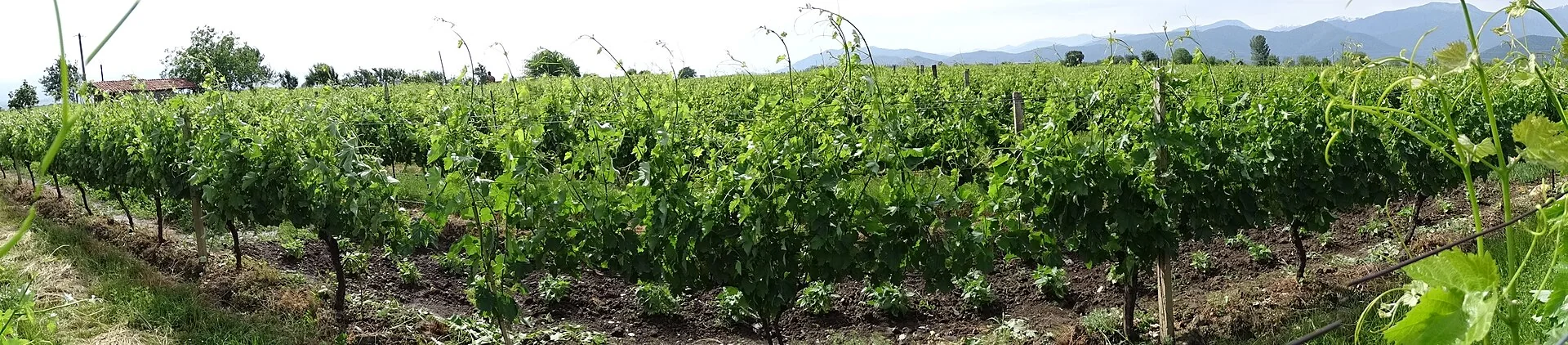
Vineyard rows near Telavi, Kakheti, not the Teliani Valley winery premises. Photograph by Adam Jones from Kelowna, BC, Canada. Source photograph, CC BY-SA 2.0. Resized to a maximum 1920px width and converted to WebP. Responsive copies resized and compressed to WebP.
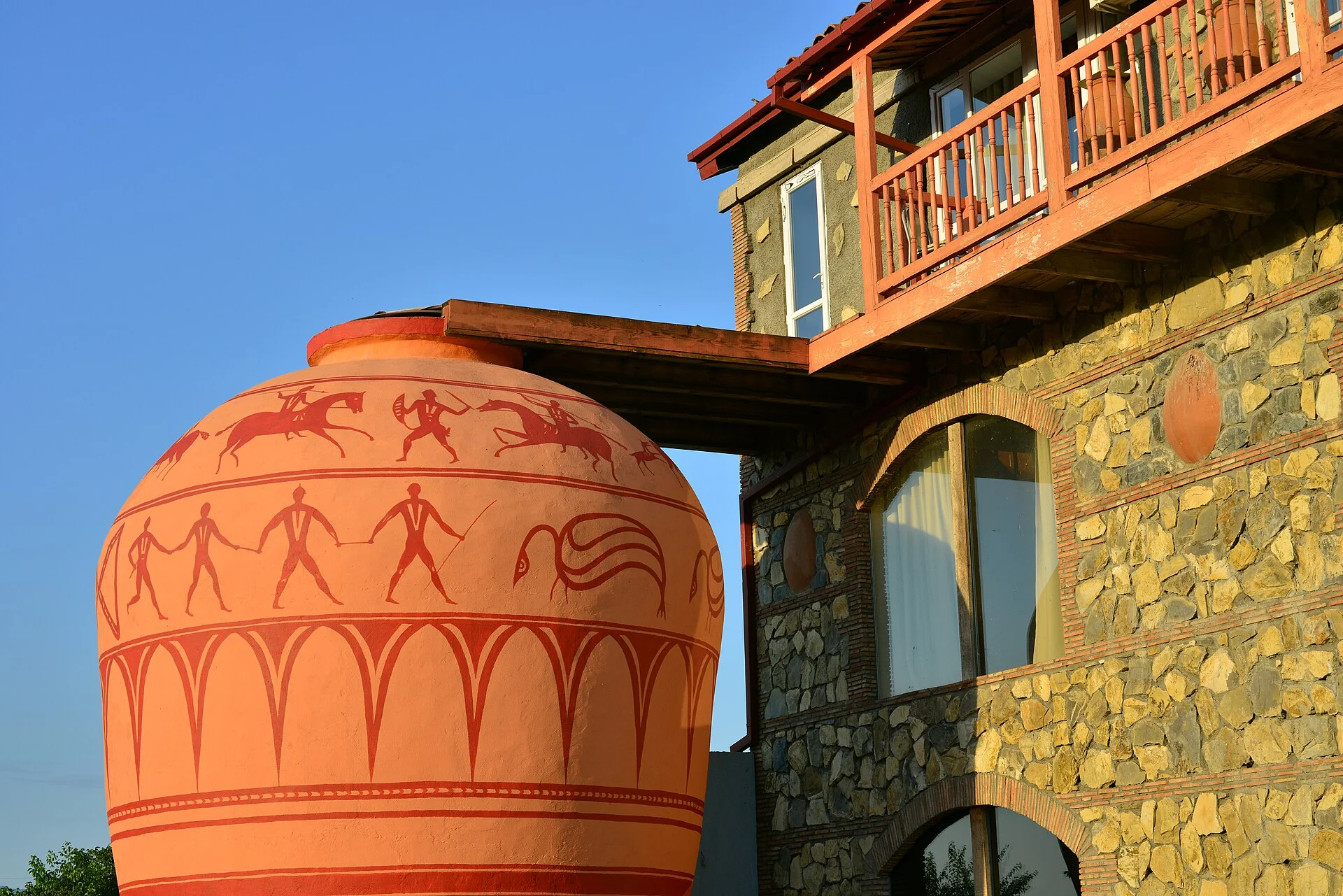
Twins Old Cellar Wine House building in Napareuli, Telavi municipality. Photograph by Panegyrics of Granovetter. Source photograph, CC BY-SA 2.0. Resized and converted to WebP. Responsive copies resized and compressed to WebP.