A winery and an estate
Separate Shumi's producer-led perspective from the Chavchavadze museum, historic cellar and gardens next door.
Choose Shumi for questions about a contemporary wine producer and Tsinandali Estate for history, architecture and its historic collection; combine them when appointments permit.
- Area
- Tsinandali village, Kakheti
- Booking
- Contact each operator for its own admission or tour, group limit, language, tasting inclusions and present-day access.
- Tours & tastings
- Compare guided wine experiences ↓
Approximate attraction point; confirm the visitor entrance and access with the operator.
In this guide
Shumi vs Tsinandali Estate: Winery Tour or Palace Museum?
Shumi Winery and Tsinandali Estate can look like one attraction on a quick Kakheti itinerary because they stand near each other in Tsinandali village. They should be treated as two independent choices. Shumi is a family-owned producer established in 1997 that describes its vineyards across several Georgian wine microzones. Tsinandali Estate is anchored by the Aleksandre Chavchavadze house museum, a historic cellar, garden and hospitality complex. Their stories meet through Georgian wine, but their visitors are being invited into different institutions.
This matters when deciding which entrance to use, what to reserve and how to describe the experience to companions. An afternoon in the palace museum can revolve around nineteenth-century literary salons and European-style bottling; a discussion at Shumi can emphasize what an active producer grows and makes today. A wine tasting might be offered at either property, yet availability, product selection and the relationship between ticket and tour are operator-specific. The right comparison starts with the reason you want to visit.
Find your Kakheti wine experience.
Choose a day around the wine, the food or the places you want to see. Compare these partner tours, then select your date and party on the booking site.
 Regional photograph
Kakheti cellars, tastings & lunch
- Starts in
- Tbilisi hotel pickup
- Allow
- About 9 hours
Make cellar visits and wine-country food the focus of the day. The listing describes vineyard time and return transport, rather than a visit to one guaranteed named estate.
Before booking: Confirm the lunch menu, winery stops and which drinks or additional tastings cost extra.
View tour & dates on Booking.com ↗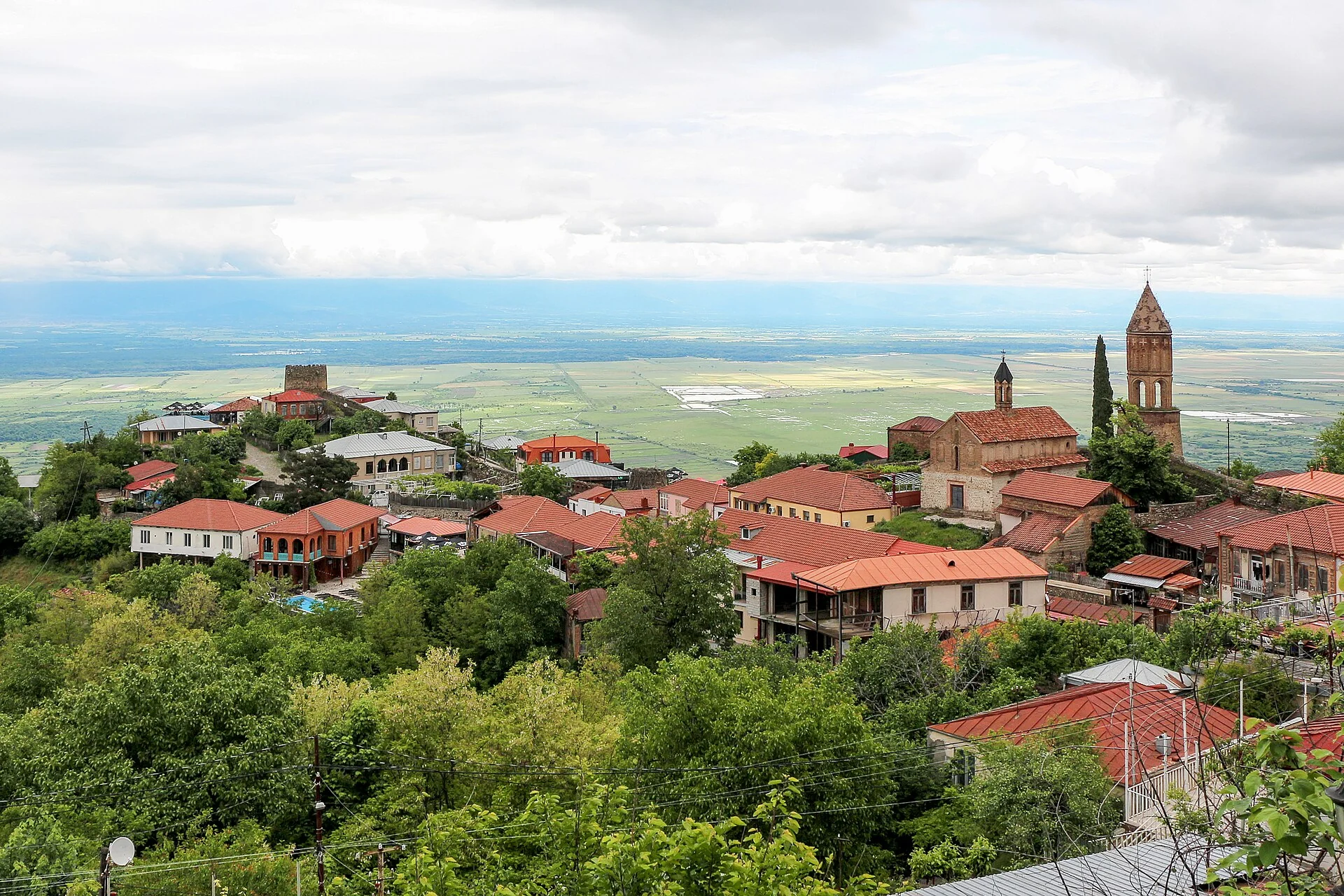 Regional photograph
Kakheti wine, Sighnaghi & Bodbe
- Starts in
- Tbilisi
- Allow
- About 9 hours
Combine a wine-country introduction with Sighnaghi, Bodbe and Georgian food traditions. A useful choice when you want a varied day rather than one estate appointment.
Before booking: Check the tastings and food workshops included in your chosen option; dinner is separate.
View tour & dates on Booking.com ↗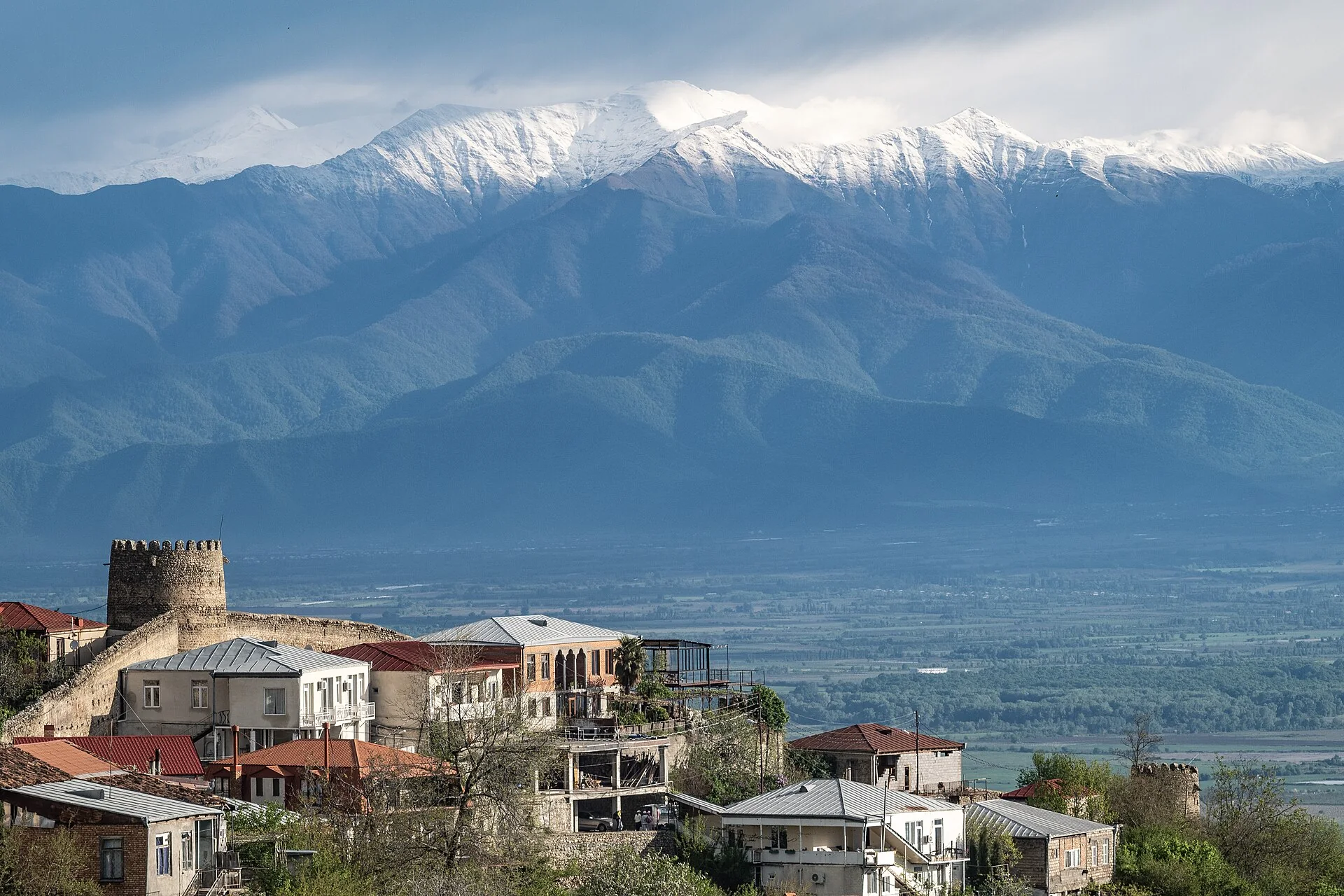 Regional photograph
Sighnaghi, Bodbe & Chronicles wine day
- Starts in
- Tbilisi meeting point
- Allow
- About 10 hours
Compare another Tbilisi departure combining Kakheti wine-country stops with Sighnaghi and Bodbe. The current product also names the Chronicles of Georgia in its route.
Before booking: Check the current stops, tasting inclusions, meeting point and package terms on Trip.com.
View tour & dates on Trip.com ↗Product descriptions reviewed 15 October 2026. Prices, dates, stops and inclusions can change; confirm the selected package with the provider. Arrange a non-drinking driver for independent winery visits.
Tour references & photograph credits
The photographs show the region or wine setting, not a documented group on the advertised tour.
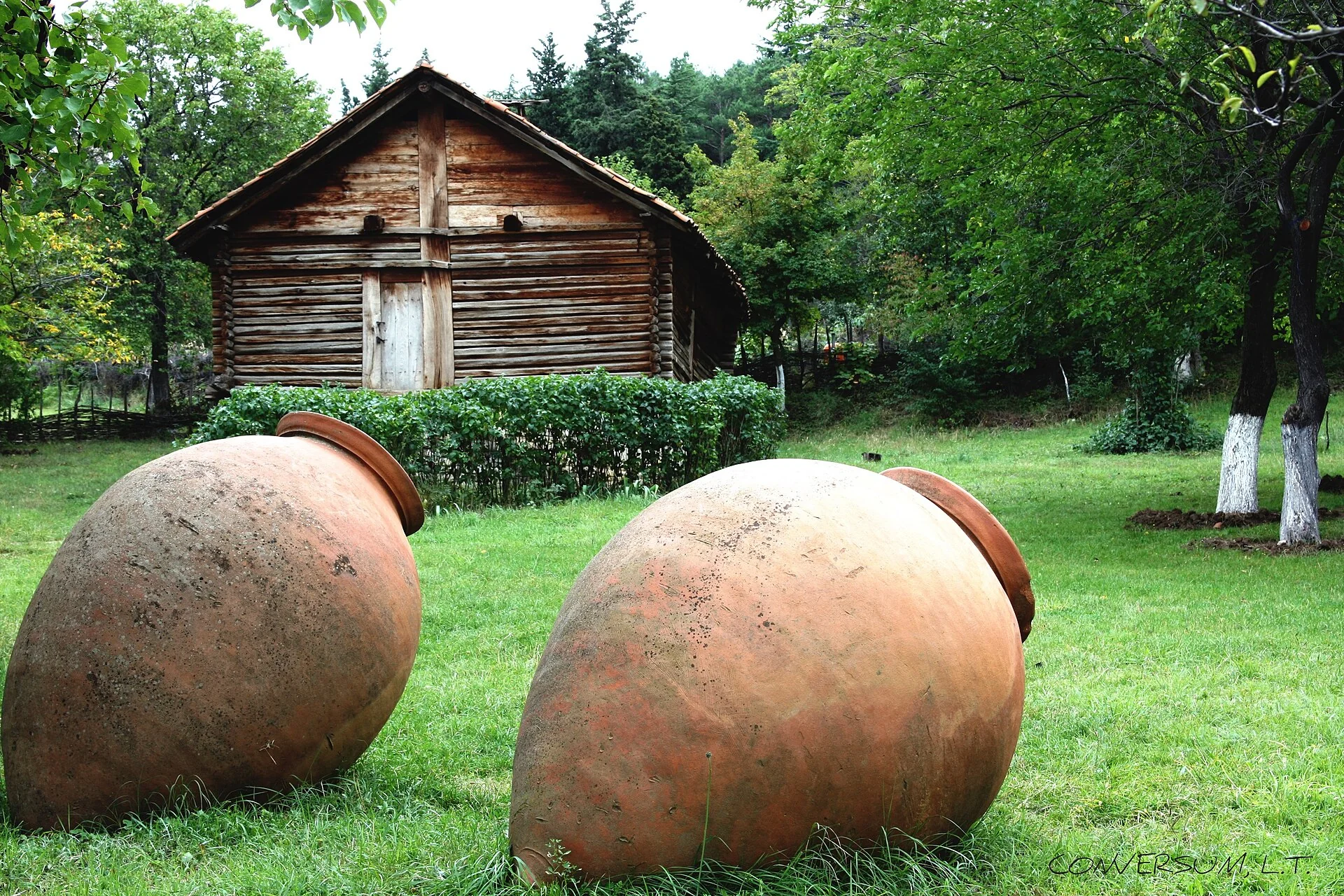
Traditional Georgian clay qvevri wine-making vessels. Levan Totosashvili. Photo source · CC BY-SA 2.0. Resized and converted to WebP. Responsive copies resized and compressed to WebP.
View across Sighnaghi in Kakheti, Georgia. Bernard Gagnon. Photo source · CC BY 4.0. Resized by Wikimedia to a maximum 1920px width where applicable and converted to WebP. Responsive copies resized and compressed to WebP.
Sighnaghi fortress wall with the mountain backdrop across the Alazani Valley. Vladimir Pankratov. Photo source · CC BY-SA 2.0. Resized to a maximum 1920px width and converted to WebP. Responsive copies resized and compressed to WebP.
Shumi is a producer with vineyards beyond the village
On its official site Shumi describes itself as family-owned, established in 1997 and rooted in indigenous Georgian grapes. Although the estate is at Tsinandali, its vineyards extend to other protected microzones, including Mukuzani, Napareuli and Kindzmarauli. This is an important distinction for wine-curious visitors: the producer's location and the origin of every grape in a portfolio do not necessarily coincide. Ask which growing area and method are represented in the wines currently available for tasting.
Shumi is particularly suitable for visitors interested in production choices rather than only the atmosphere of a historic manor. You might ask a guide about harvest timing, how grapes are brought from different vineyards, the role of qvevri or other vessels, and what labels identify a geographical origin. The answers depend on Shumi's actual program and staff, so arrange a structured visit instead of presuming the winery floor or its vineyards are freely accessible. A producer can be active without operating every visitor service daily.
Tsinandali Estate is a museum and garden with a cellar story
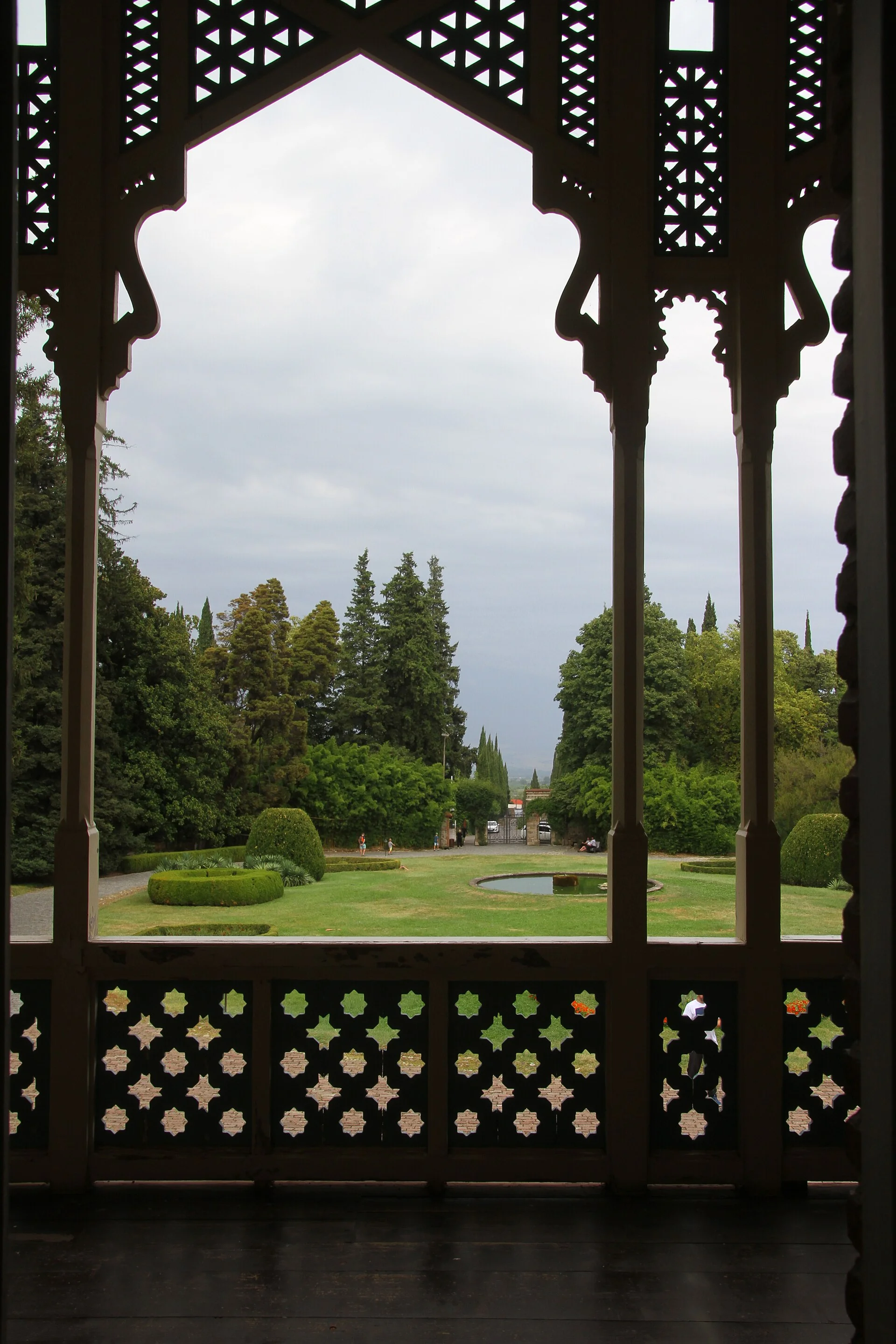
The Chavchavadze house is valued as a cultural landmark as well as for its wine history. Georgia Travel describes Aleksandre Chavchavadze and Salome Orbeliani's hospitality, the literary and artistic gatherings of the era, and the palace's surviving objects and library. The grounds were landscaped in a European style, and the estate operator promotes museum, park and wine experiences alongside hotel facilities. Someone who favors architecture, gardens or Georgian Romanticism may find the house the day's clear priority.
The historic cellar is not simply a tasting counter. The tourism authority discusses Chavchavadze's early European-style bottling work and a large archival wine collection that includes notable nineteenth-century vintages. A museum ticket, guided cellar interpretation, wine tasting, hotel meal and overnight booking are different products: ask the estate which can be booked independently. Historic bottles on display are collection objects, not evidence that a tasting includes rare archival vintages. Specific wine selections should come only from the present operator offer.
Qvevri, European bottling and the question of authenticity
Visitors sometimes expect to decide which of these two venues is the 'authentic' one. That reduces a much richer history to a false test. UNESCO inscribed the ancient Georgian traditional qvevri wine-making method as living cultural heritage, describing wine fermentation and storage in large clay vessels as an enduring social practice. Georgia Travel, meanwhile, describes Chavchavadze's nineteenth-century experiments with European-style methods as a landmark in the Georgian wine industry. Both histories contribute to today's region.
Use a visit to compare methods intelligently. Ask at Shumi whether a particular sample is made or aged in qvevri and which grapes it uses; ask at Tsinandali Estate how the historical cellar and modern visitor tour explain bottling and preservation. Neither place needs to claim exclusive ownership of Georgian winemaking heritage. A qvevri in a display or museum is evidence of an explanation available to visitors, not proof that every wine offered there came from that vessel.
Choose one first, then plan whether both fit
If you have a short stop between Telavi and another Kakheti destination, decide whether the group would rather see the Chavchavadze house and garden or meet a contemporary producer. If both interests are strong, enquire about tour and tasting slots independently and start with the place that has a fixed appointment. The properties are near each other, but their adjacent locations do not create a shared pass. Budget for whichever activities are actually confirmed, leaving enough time to travel between entrances and change focus.
Before reserving, ask each operator about language, group size, food, accessibility and policies for guests who do not drink. Arrange a non-drinking driver or private transport when planning tastings; rural roads and a short distance back to Telavi are no justification for driving after wine. The museum is also a sound choice when part of the group is more interested in history than tasting. A balanced visit lets each venue be appreciated for what it does particularly well.
Plan the visit and the journey back.
- Shumi identity
- Independent producer founded in 1997, located beside the historical Chavchavadze estate, with vineyards across several Kakheti microzones.
- Estate identity
- Chavchavadze palace museum, gardens and historic cellar, with separate hotel and hospitality experiences.
- Booking
- Contact each operator for its own admission or tour, group limit, language, tasting inclusions and present-day access.
- Best for non-drinkers
- Tsinandali Estate's museum rooms and garden have a cultural purpose independent of an alcoholic tasting.
- Wine questions
- Ask for grape origin and cellar method at the winery; ask about historical bottling and collections at the museum.
- Return transport
- Arrange a designated driver or alternative transport from Tsinandali village to Telavi if sampling wine.
Approximate attraction point; confirm the visitor entrance and access with the operator.
Useful answers before setting out.
Is Shumi Winery part of the Tsinandali Estate hotel?
No. Shumi operates as its own producer beside the Chavchavadze museum grounds. The estate hotel and museum programs are run separately.
Which place is better for Georgian wine history?
Tsinandali Estate focuses directly on Chavchavadze, his nineteenth-century cellar and the house's cultural history. Shumi can add contemporary growing and production context, subject to the tour offered.
Does Shumi only make Tsinandali appellation wine?
No. The producer's own description lists vineyards in several Georgian protected microzones. Ask which wine and geographical origin each tasting pour represents.
Can I book one ticket covering the museum and Shumi?
Do not assume a combined ticket exists. Confirm admissions and tours independently with both venues, even though they are nearby.
Confirm the current visitor details.
Access, weather, opening hours and bookable experiences can change. Check the relevant operator or visitor authority for your date.
- SHUMI Winery — official About Us and vineyard overview ↗
- Tsinandali Estate — official museum, park and cellar offerings ↗
- Georgia Travel — Aleksandre Chavchavadze House Museum ↗
- UNESCO — Ancient Georgian traditional Qvevri wine-making method ↗
- National Wine Agency — Protected designations including Tsinandali ↗
Photograph sources and licenses
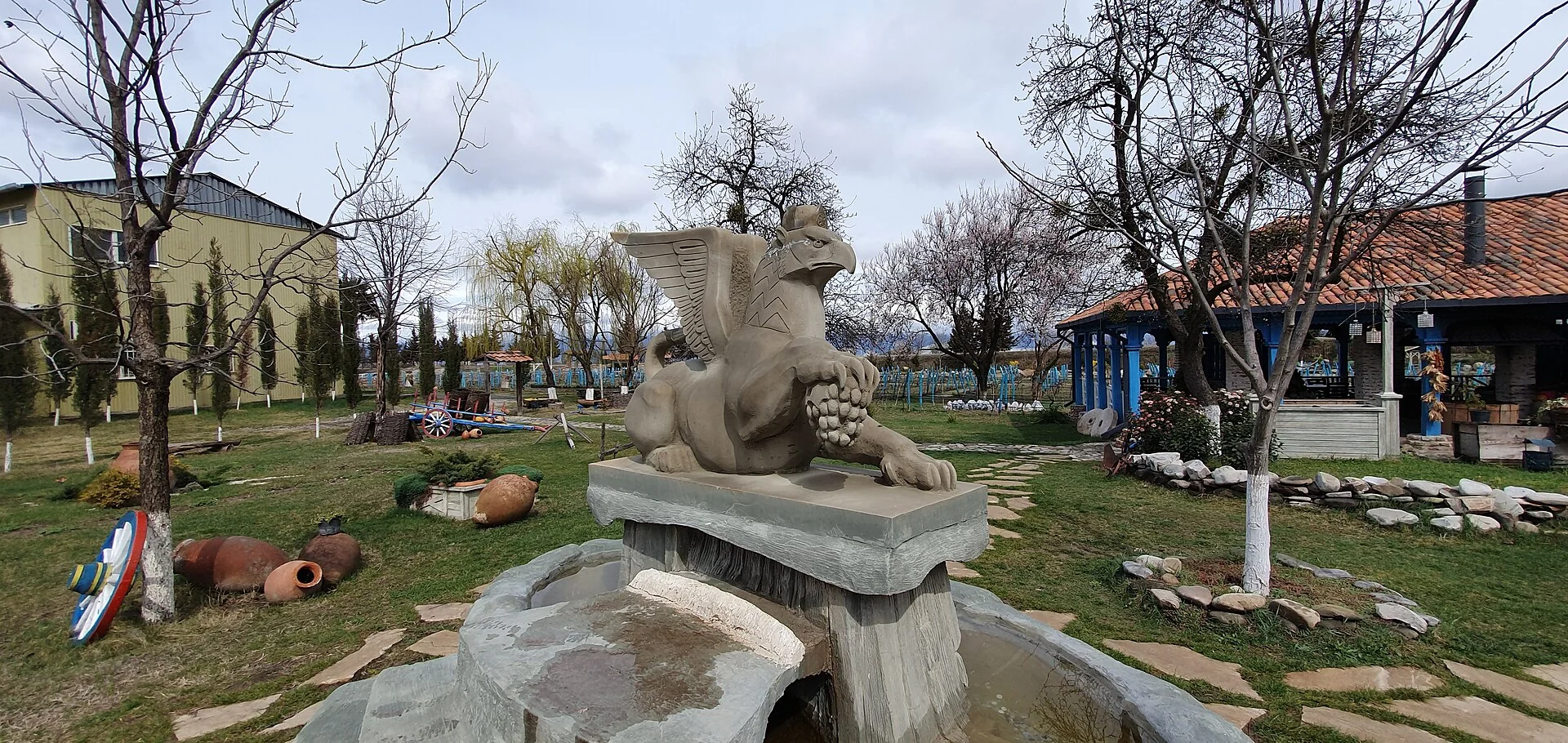
Shumi Winery estate in Tsinandali village, Kakheti. Photograph by Hijas Rahim Binutha. Source photograph, CC BY-SA 4.0. Resized and converted to WebP. Responsive copies resized and compressed to WebP.
Historic landscape park at Tsinandali Estate in Kakheti. Photograph by Gerd Eichmann. Source photograph, CC BY-SA 4.0. Resized and converted to WebP. Responsive copies resized and compressed to WebP.
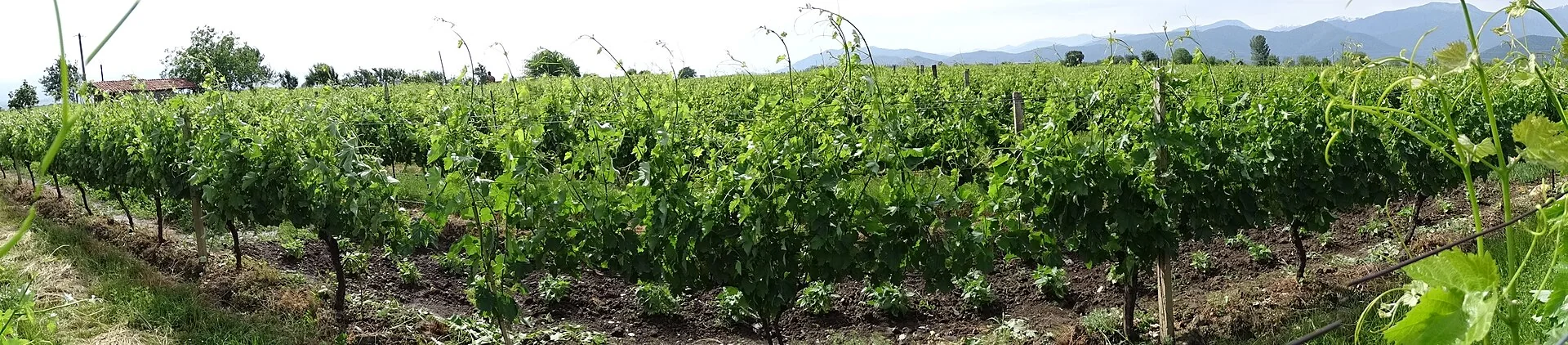
Vineyard rows near Telavi, Kakheti, not the Teliani Valley winery premises. Photograph by Adam Jones from Kelowna, BC, Canada. Source photograph, CC BY-SA 2.0. Resized to a maximum 1920px width and converted to WebP. Responsive copies resized and compressed to WebP.
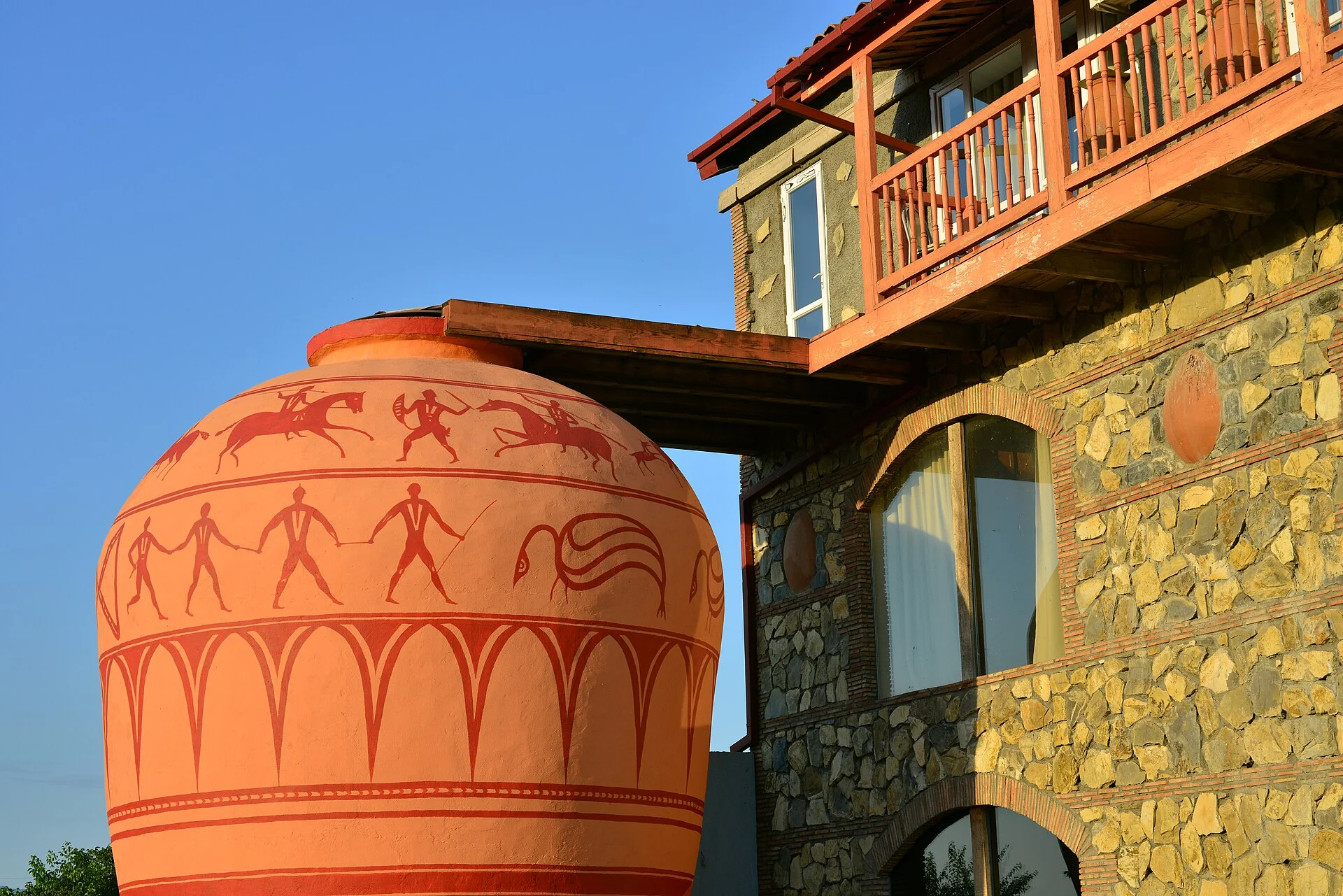
Twins Old Cellar Wine House building in Napareuli, Telavi municipality. Photograph by Panegyrics of Granovetter. Source photograph, CC BY-SA 2.0. Resized and converted to WebP. Responsive copies resized and compressed to WebP.