Harvest follows the grapes, not your flight dates.
Understand Kakheti's Rtveli tradition, why timing moves, and how to book a real winery harvest program without assuming grape-picking access.
Rtveli can be one of Kakheti's most meaningful seasonal experiences, but the exact harvest date changes by grape, vineyard and year; book an operator program and treat participation in picking, pressing or a supra as something to confirm, not something guaranteed by visiting in September.
- Area
- Kakheti
- Transport
- Use a driver, tour or designated non-drinker. Never drink and drive after a harvest celebration.
- Tours & tastings
- Compare guided wine experiences ↓
Area search, not a confirmed venue entrance. Use the guide's visitor details for the final approach.
In this guide
Rtveli in Kakheti: How to Plan a Grape-Harvest Visit Without Promising the Harvest
Rtveli is Georgia's grape harvest season and a major part of wine-country life. Georgia Travel describes it as a working tradition involving preparation of the cellar, grape picking, pressing and communal meals. In Kakheti the season commonly begins in September, but that broad description is not an appointment calendar. Ripeness, weather, grape variety, vineyard location and winery logistics determine when a particular producer actually harvests.
The National Wine Agency's harvest updates make that variability visible at regional scale: grape intake builds across municipalities as the season progresses rather than starting everywhere on one ceremonial morning. A visitor therefore needs two plans at once. Book a winery or tour that explicitly offers a Rtveli program, and keep a second version of the day that still works if the vineyard work shifts before or after your visit.
Find your Kakheti wine experience.
Choose a day around the wine, the food or the places you want to see. Compare these partner tours, then select your date and party on the booking site.
 Regional photograph
Kakheti wine, Sighnaghi & Bodbe
- Starts in
- Tbilisi
- Allow
- About 9 hours
Combine a wine-country introduction with Sighnaghi, Bodbe and Georgian food traditions. A useful choice when you want a varied day rather than one estate appointment.
Before booking: Check the tastings and food workshops included in your chosen option; dinner is separate.
View tour & dates on Booking.com ↗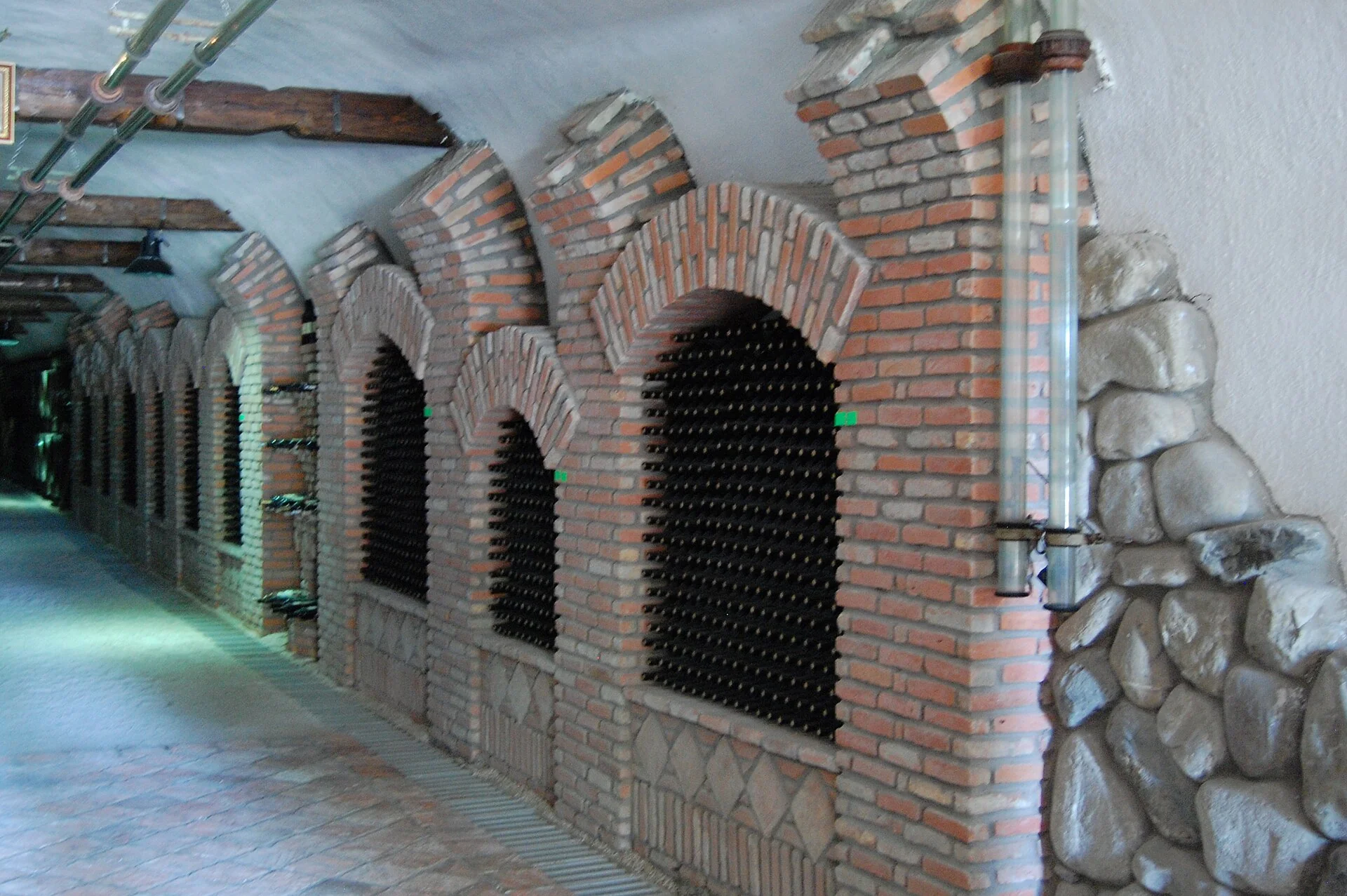 Regional photograph
Private wine day with Khareba tunnel
- Starts in
- Tbilisi hotel pickup
- Allow
- About 7 hours
Choose a private vehicle for a wine-focused route with Patardzeuli, Sighnaghi and a Khareba wine-tunnel stop. Compare this when the cellar visit matters more than a group sightseeing circuit.
Before booking: Khareba tunnel entrance is listed as an extra cost. Confirm the tasting package and final itinerary.
View tour & dates on Booking.com ↗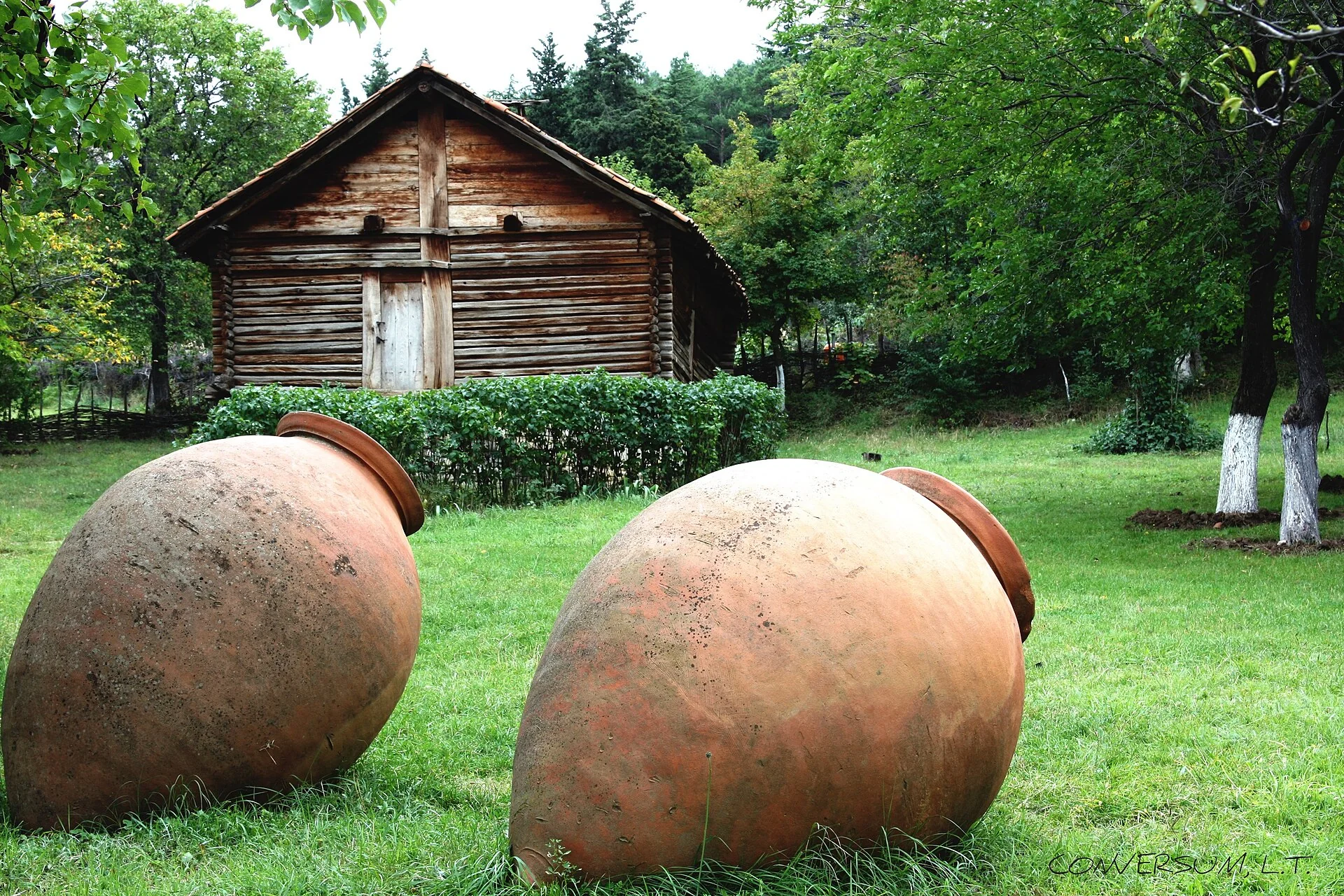 Regional photograph
Kakheti cellars, tastings & lunch
- Starts in
- Tbilisi hotel pickup
- Allow
- About 9 hours
Make cellar visits and wine-country food the focus of the day. The listing describes vineyard time and return transport, rather than a visit to one guaranteed named estate.
Before booking: Confirm the lunch menu, winery stops and which drinks or additional tastings cost extra.
View tour & dates on Booking.com ↗Product descriptions reviewed 15 October 2026. Prices, dates, stops and inclusions can change; confirm the selected package with the provider. Arrange a non-drinking driver for independent winery visits.
Tour references & photograph credits
The photographs show the region or wine setting, not a documented group on the advertised tour.
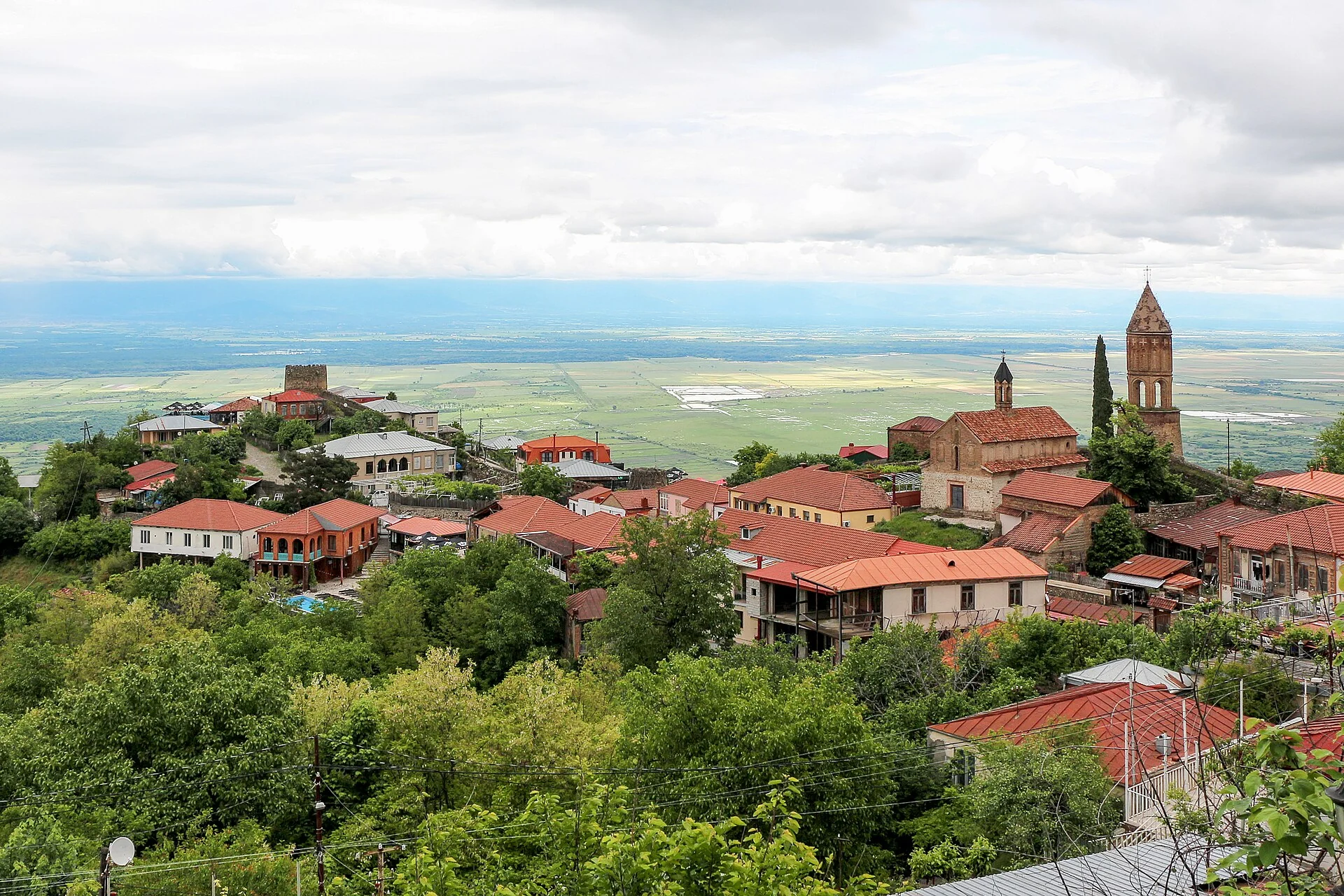
View across Sighnaghi in Kakheti, Georgia. Bernard Gagnon. Photo source · CC BY 4.0. Resized by Wikimedia to a maximum 1920px width where applicable and converted to WebP. Responsive copies resized and compressed to WebP.
Winery Khareba tunnel in Kvareli, Georgia. Andrzej Wójtowicz from Poznań, Poland. Photo source · CC BY-SA 2.0. Resized by Wikimedia to a maximum 1920px width where applicable and converted to WebP. Responsive copies resized and compressed to WebP.
Traditional Georgian clay qvevri wine-making vessels. Levan Totosashvili. Photo source · CC BY-SA 2.0. Resized and converted to WebP. Responsive copies resized and compressed to WebP.
Why harvest timing cannot be guaranteed months ahead
Grapes are picked when producers decide the fruit is ready, not when a tourism calendar reaches a fixed date. Georgia Travel describes different harvest periods across Georgian regions, and even within Kakheti varieties and vineyards do not all mature together. Weather close to harvest can accelerate or delay work, while commercial wineries also need to coordinate crews, presses, tanks and qvevri preparation.
Use September as a planning window rather than a promise. If Rtveli is the central reason for the trip, contact the operator shortly before arrival and ask what activity is realistically expected on your booked day. If exact picking is essential, build flexibility into the accommodation rather than locking every day to a distant transfer.
Book an operator program instead of entering a working vineyard
Some Kakheti wineries actively market harvest participation. Teliani Valley describes guest participation in its Rtveli celebration, and Winery Khareba lists vintage-related activities at the Kvareli Wine Cave complex. Those statements make them useful places to ask, but they do not guarantee that every visitor can pick grapes or crush fruit without a reservation on every day of harvest season.
A working vineyard can involve tractors, bins, knives, presses, fermentation equipment and staff under time pressure. Do not enter rows, touch fruit or step into production areas without instruction. A structured visitor program protects both the harvest and the guest, and it gives the winery a chance to explain which parts of the process can safely be demonstrated that day.
Understand what comes after picking
Rtveli is more than posing with grape baskets. Georgia Travel describes grapes moving quickly into pressing and fermentation, while qvevri preparation is part of the season's work. If your program includes a cellar explanation, ask what happens to the grapes after they arrive, which varieties are being processed and whether the winery uses qvevri, stainless steel, barrels or several methods.
That context turns a seasonal activity into a wine lesson. It also avoids the misleading idea that every Kakhetian family or winery follows exactly the same sequence. Harvest celebrations may share cultural themes, but commercial scale, equipment and winemaking decisions differ. Listen to the producer describing the current vintage rather than arriving with a fixed script from another winery.
Plan food, alcohol and transport responsibly
Rtveli celebrations may include a supra, tastings or stronger spirits alongside food. Treat alcohol as optional. Drink water, eat properly and use small pours if you want to understand the wines. If the day includes several cellars, there is no reason to finish every glass. The harvest itself remains interesting even for a guest who chooses not to drink.
Arrange a driver, organised tour or designated non-drinker before the event begins. Do not drive after harvest tastings or chacha simply because the accommodation looks close. If the program ends with a long meal, staying in Telavi, Kvareli, Sighnaghi, Tsinandali or another nearby Kakheti base can be safer and more enjoyable than forcing a late return to Tbilisi.
Have a worthwhile fallback if the grapes move first
A good Rtveli trip should still work if active picking is not happening on your exact date. Winery tours, qvevri museums, estate history and normal tastings can explain the harvest cycle even when the vineyard crew has already finished or is waiting for fruit to ripen. Tsinandali, Telavi, Kvareli and Sighnaghi also offer cultural reasons to stay in Kakheti beyond the harvest event itself.
Ask the operator what the alternative program becomes when field work shifts. A cellar visit, fermentation explanation or meal can still be valuable if it is described honestly. The disappointment comes from selling a guaranteed grape-picking fantasy; the better experience is understanding that harvest is agricultural work whose timing changes because the grapes and weather are real.
Plan the visit and the journey back.
- Timing
- Kakheti harvest commonly begins in September, but the exact date varies by grape, site, weather and winery. Reconfirm close to arrival.
- Participation
- Book a winery or tour that explicitly offers a Rtveli program. Do not assume visiting during harvest grants access to picking or production areas.
- What to ask
- Confirm whether the booked program includes vineyard activity, cellar explanation, tasting, food or other demonstrations on your exact date.
- Safety
- Follow staff instructions around knives, bins, presses, vehicles and fermenting wine; harvest is active agricultural and production work.
- Transport
- Use a driver, tour or designated non-drinker. Never drink and drive after a harvest celebration.
- Fallback
- Choose a base with museums, towns and regular winery visits so the trip remains worthwhile if picking shifts away from your date.
Area search, not a confirmed venue entrance. Use the guide's visitor details for the final approach.
Useful answers before setting out.
When is Rtveli in Kakheti?
It generally begins in September, but there is no single guaranteed harvest day for the region. Different grapes, vineyards and wineries move on different schedules each year.
Can tourists pick grapes during Rtveli?
Some operators offer structured participation, but you must book and confirm it. A winery being in harvest does not mean visitors can enter vineyards or join crews without permission.
What if the harvest happens before my booking?
Ask whether the winery will substitute a cellar tour, fermentation explanation, tasting or meal. Build the wider Kakheti trip around more than one seasonal activity.
Is Rtveli only about drinking wine?
No. It is an agricultural and cultural season involving grape picking, cellar preparation, pressing, food and community traditions. Guests can take part in the cultural experience without consuming alcohol.
Confirm the current visitor details.
Access, weather, opening hours and bookable experiences can change. Check the relevant operator or visitor authority for your date.
- Georgia Travel: Rtveli in Georgia ↗
- National Wine Agency: 2026 Kakheti harvest update ↗
- Teliani Valley: Rtveli and visitor programs ↗
- Winery Khareba: Kvareli Wine Cave visitor activities ↗
Photograph sources and licenses
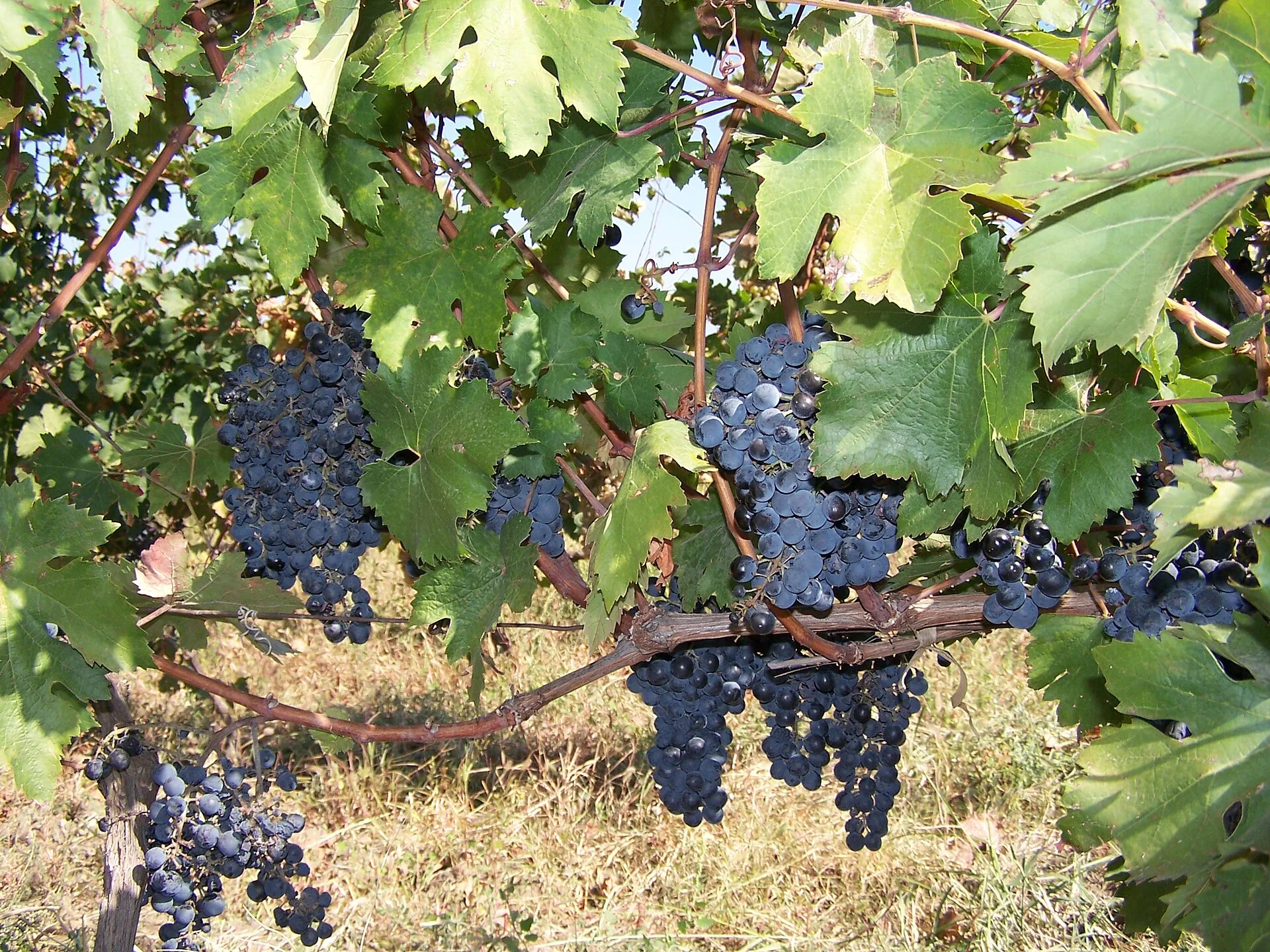
Grapes during the Rtveli vintage season in Kakheti. Photograph by rugbyxm. Source photograph, CC BY 2.0. Resized by Wikimedia to a maximum 1920px width where applicable and converted to WebP. Responsive copies resized and compressed to WebP.
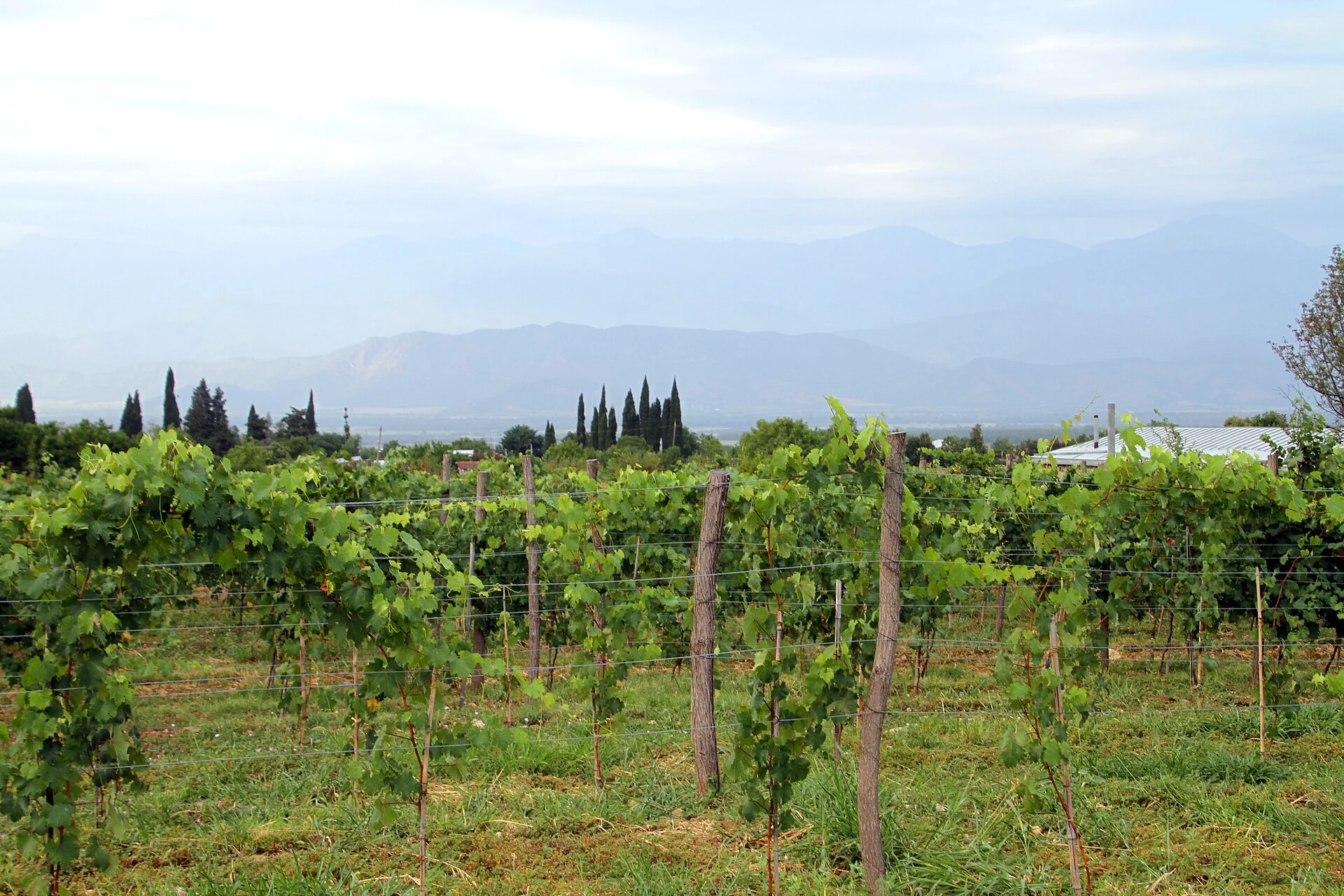
Vines at Mosmieri Kakheti Wine Centre in Georgia. Photograph by Gerd Eichmann. Source photograph, CC BY-SA 4.0. Resized by Wikimedia to a maximum 1920px width where applicable and converted to WebP. Responsive copies resized and compressed to WebP.
Traditional Georgian clay qvevri wine-making vessels. Photograph by Levan Totosashvili. Source photograph, CC BY-SA 2.0. Resized and converted to WebP. Responsive copies resized and compressed to WebP.
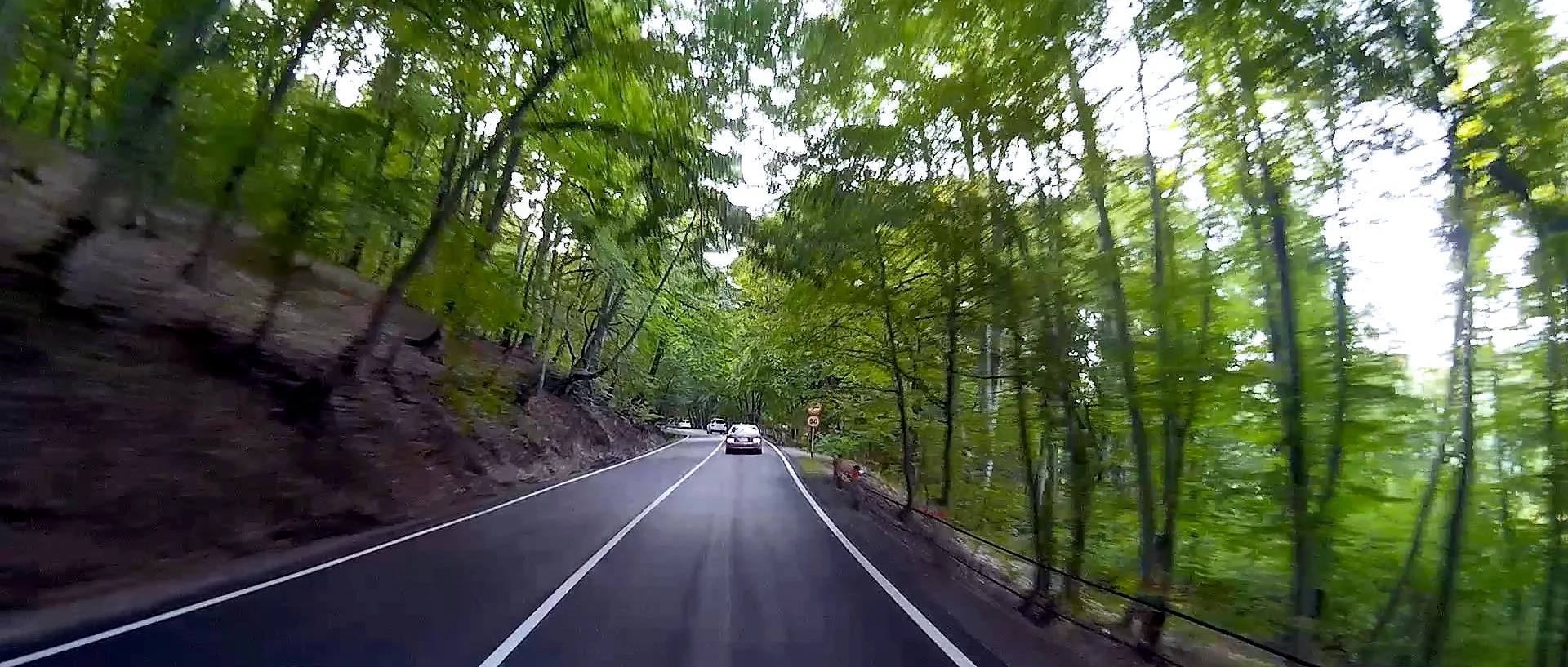
Forest road between Telavi and Gombori, part of a Kakheti travel route. Photograph by Jelger Groeneveld. Source photograph, CC BY 2.0. Resized to a maximum 1920px width and converted to WebP. Responsive copies resized and compressed to WebP.