Taste qvevri wine as a method, not a marketing label.
Use UNESCO and National Wine Agency context to choose a Kakheti tasting that actually explains the vessel, fermentation and regional practice.
The best qvevri tasting is one that explains what the vessel does, how the winery actually uses it and which wines in the flight were made that way; do not assume every Kakheti producer or every bottle at a winery is qvevri-made.
- Area
- Kakheti
- Transport
- Use a driver, organised tour or designated non-drinker. Do not drink and drive after a qvevri tasting.
- Tours & tastings
- Compare guided wine experiences ↓
Area search, not a confirmed venue entrance. Use the guide's visitor details for the final approach.
In this guide
Qvevri Wine Tasting in Kakheti: How to Learn the Tradition Without Oversimplifying It
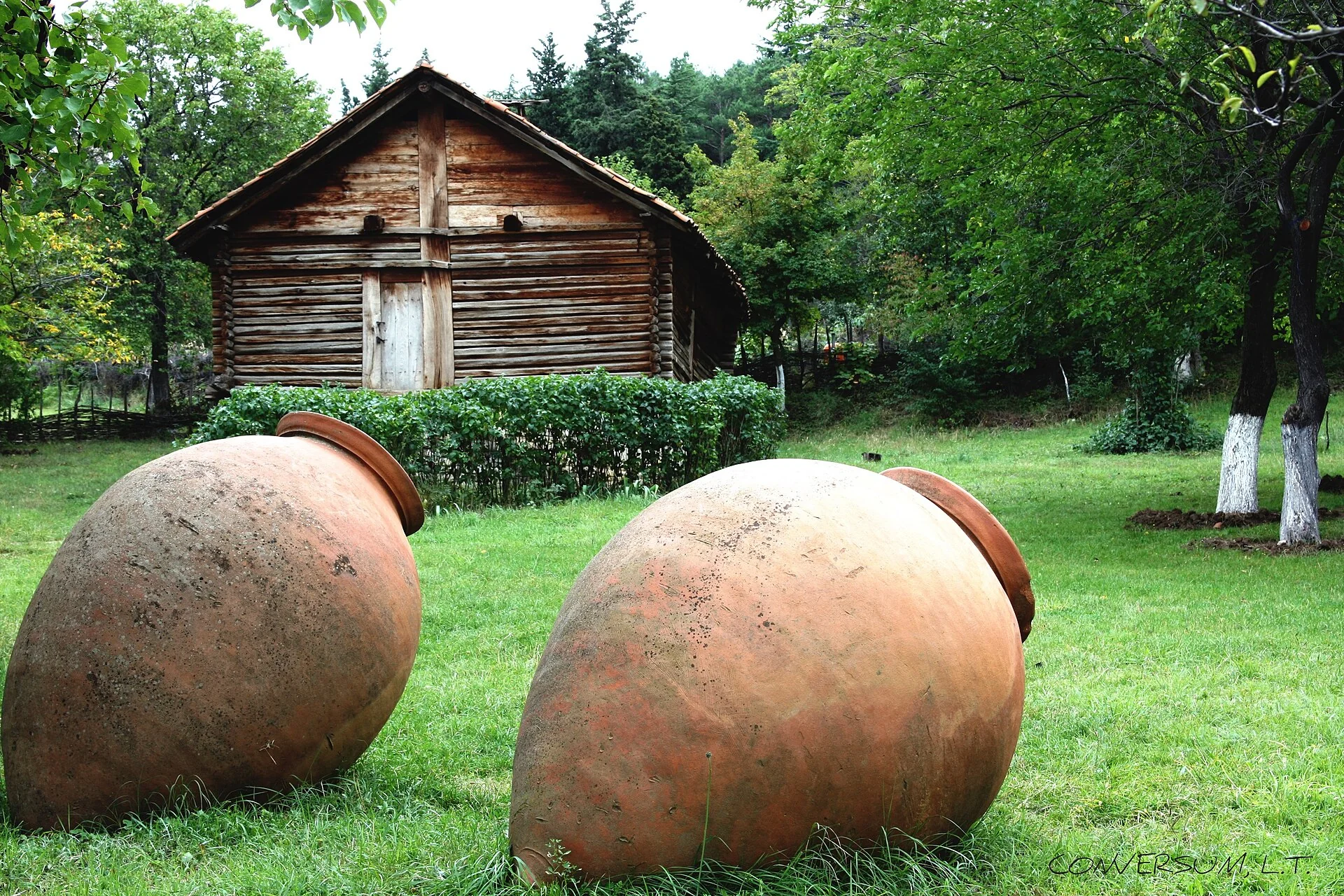
Qvevri is one of the most important words to understand before a Kakheti wine trip. The National Wine Agency describes the qvevri as an egg-shaped clay vessel used for making and storing wine, while UNESCO inscribed the ancient Georgian traditional qvevri winemaking method on the Representative List of the Intangible Cultural Heritage of Humanity in 2013. The recognition applies to a living body of knowledge and practice, not to a single commercial brand or tasting style.
That distinction matters at the cellar door. A winery may produce some wines in qvevri and others in stainless steel or oak. Another may specialize in qvevri across much of its range. A meaningful tasting should therefore answer three questions: which wine was made in qvevri, what contact with skins and solids was used, and how the producer's method relates to its region and house style. The color of a wine alone is not proof of a specific technique.
Find your Kakheti wine experience.
Choose a day around the wine, the food or the places you want to see. Compare these partner tours, then select your date and party on the booking site.
 Regional photograph
Kakheti wine, Sighnaghi & Bodbe
- Starts in
- Tbilisi
- Allow
- About 9 hours
Combine a wine-country introduction with Sighnaghi, Bodbe and Georgian food traditions. A useful choice when you want a varied day rather than one estate appointment.
Before booking: Check the tastings and food workshops included in your chosen option; dinner is separate.
View tour & dates on Booking.com ↗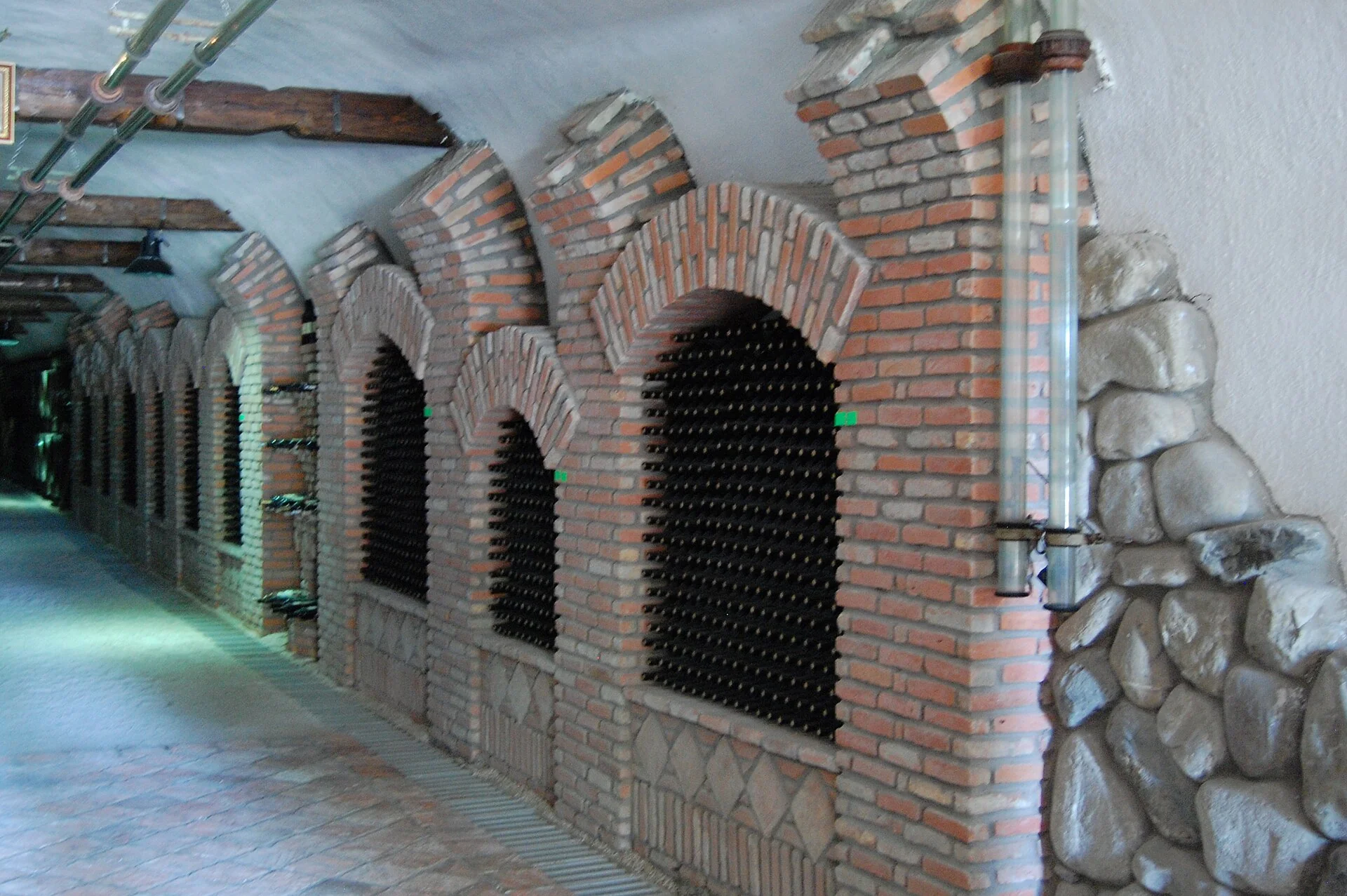 Regional photograph
Private wine day with Khareba tunnel
- Starts in
- Tbilisi hotel pickup
- Allow
- About 7 hours
Choose a private vehicle for a wine-focused route with Patardzeuli, Sighnaghi and a Khareba wine-tunnel stop. Compare this when the cellar visit matters more than a group sightseeing circuit.
Before booking: Khareba tunnel entrance is listed as an extra cost. Confirm the tasting package and final itinerary.
View tour & dates on Booking.com ↗Regional photographKakheti cellars, tastings & lunch
- Starts in
- Tbilisi hotel pickup
- Allow
- About 9 hours
Make cellar visits and wine-country food the focus of the day. The listing describes vineyard time and return transport, rather than a visit to one guaranteed named estate.
Before booking: Confirm the lunch menu, winery stops and which drinks or additional tastings cost extra.
View tour & dates on Booking.com ↗Product descriptions reviewed 15 October 2026. Prices, dates, stops and inclusions can change; confirm the selected package with the provider. Arrange a non-drinking driver for independent winery visits.
Tour references & photograph credits
The photographs show the region or wine setting, not a documented group on the advertised tour.
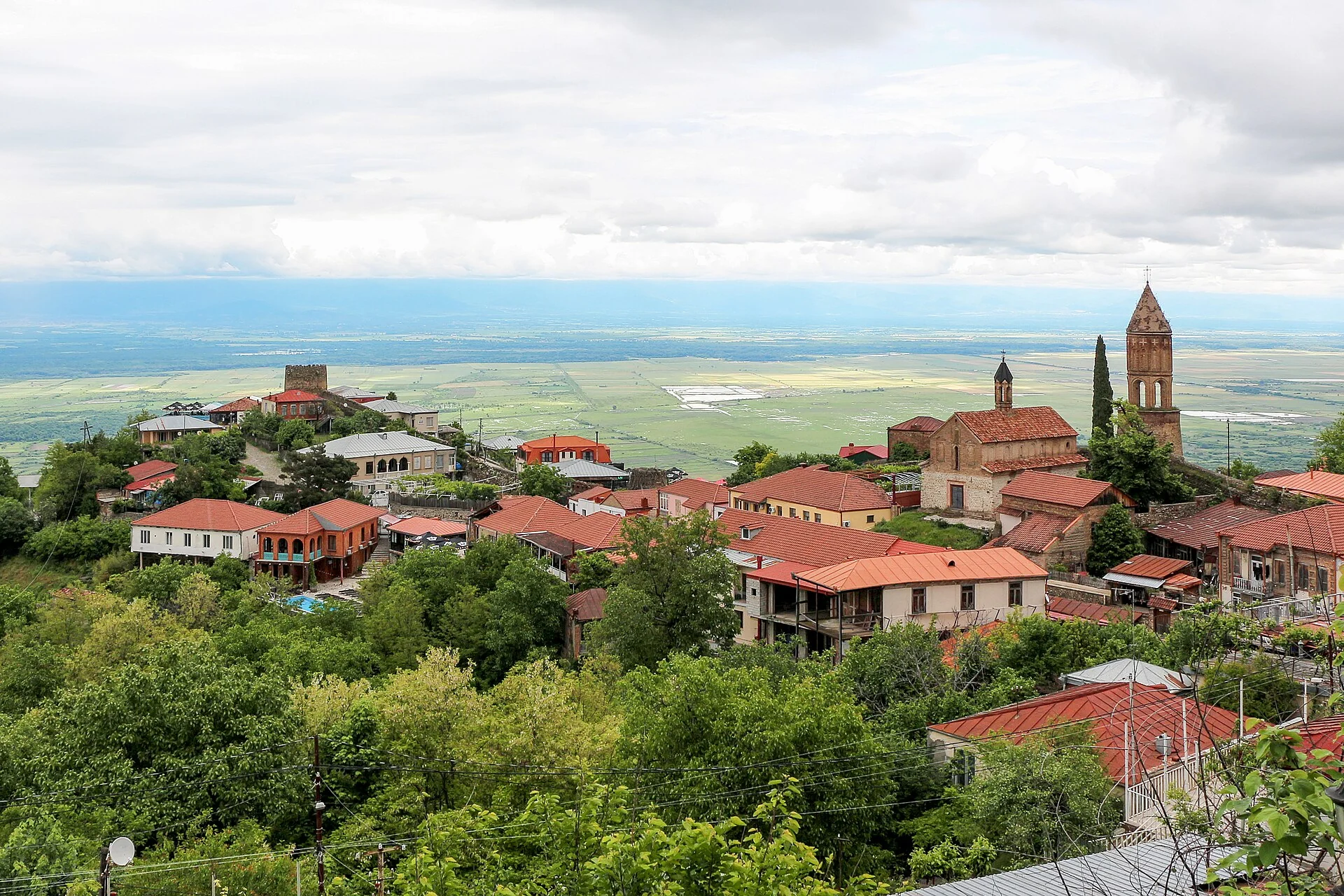
View across Sighnaghi in Kakheti, Georgia. Bernard Gagnon. Photo source · CC BY 4.0. Resized by Wikimedia to a maximum 1920px width where applicable and converted to WebP. Responsive copies resized and compressed to WebP.
Winery Khareba tunnel in Kvareli, Georgia. Andrzej Wójtowicz from Poznań, Poland. Photo source · CC BY-SA 2.0. Resized by Wikimedia to a maximum 1920px width where applicable and converted to WebP. Responsive copies resized and compressed to WebP.
Traditional Georgian clay qvevri wine-making vessels. Levan Totosashvili. Photo source · CC BY-SA 2.0. Resized and converted to WebP. Responsive copies resized and compressed to WebP.
Start with the heritage, then ask about this winery's method
UNESCO describes qvevri knowledge as something transmitted through families and communities, while the National Wine Agency explains that techniques differ across Georgia. Kakhetian practice is often discussed in relation to extended contact with grape skins and other solids, but production choices still vary by grape, wine style and producer. A tasting guide should be able to explain their actual cellar rather than repeat a universal script.
Ask to see the marani or qvevri area if the visit includes it, but respect production boundaries. Buried vessels are working equipment, not props. Do not touch lids, tools or open vessels unless invited, particularly during active fermentation or harvest. The educational value comes from understanding why the vessel is used, not from staging a photograph beside every qvevri.
Choose a producer that makes qvevri visible to visitors
Twins Wine House in Napareuli is a particularly clear educational option because its operator describes a Qvevri and Qvevri Wine Museum, cellar visits and tasting activities. A museum framework can help first-time visitors understand vessel construction and use before they compare wines. It is still sensible to book the specific experience you want rather than assuming every museum or cellar activity is running continuously.
SHUMI in Tsinandali also presents qvevri as part of a broader production philosophy alongside other technologies, which is useful for comparison. Tsinandali Estate similarly describes both traditional qvevri production and modern cellar equipment. These mixed-method producers demonstrate an important point: respecting qvevri heritage does not require pretending that traditional and contemporary approaches never coexist at the same estate.
Taste comparatively instead of chasing one 'authentic' flavor
A good qvevri tasting can compare grape varieties, skin contact, white and red wines, or qvevri and non-qvevri examples from the same producer. That gives you evidence for how method and grape interact. It is more informative than expecting every qvevri wine to be amber, tannic or rustic. Production decisions influence color, texture and aroma, and winemakers may choose different durations or handling for different wines.
Take small pours and use water and food to keep the tasting useful. If the goal is education, there is no benefit in consuming every sample. Spitting is normal in serious tasting and particularly sensible when visiting several wineries. Arrange transport before drinking, and avoid turning a qvevri-learning day into a sequence of chacha or wine shots that erases the distinctions you came to understand.
Build the day around one learning stop and one contrast
For a focused day, pair one qvevri-centered visit with a contrasting heritage or production stop. Napareuli and the Telavi side of Kakheti can work for a qvevri museum plus a larger winery, while Tsinandali allows you to compare estate history with contemporary winemaking. The exact pairing should follow confirmed appointments, not a rigid route copied from a tour advertisement.
Stay in Telavi or the wider Kakheti region if you want enough time to ask questions without racing back to Tbilisi after the last tasting. An overnight also makes responsible transport simpler: a driver can finish at your accommodation rather than at a distant capital-city drop-off. If you do return to Tbilisi, prearrange the return before drinking begins.
Plan the visit and the journey back.
- Core reference
- UNESCO recognised the ancient Georgian traditional qvevri winemaking method as Intangible Cultural Heritage in 2013.
- Do not assume
- Not every Kakheti winery, and not every wine from a qvevri-using winery, is made in qvevri. Ask which wines in the tasting use the method.
- Best questions
- Ask about grape variety, skin/solid contact, fermentation and ageing choices, and how the producer's method differs from other Georgian regions.
- Educational stop
- Twins Wine House in Napareuli advertises a Qvevri and Qvevri Wine Museum plus related tasting activities; confirm the exact program.
- Tasting discipline
- Use water, food and small pours; spitting is appropriate when the goal is comparison and learning.
- Transport
- Use a driver, organised tour or designated non-drinker. Do not drink and drive after a qvevri tasting.
Area search, not a confirmed venue entrance. Use the guide's visitor details for the final approach.
Useful answers before setting out.
What is a qvevri?
It is an egg-shaped earthenware vessel traditionally used in Georgia for making, ageing and storing wine. Qvevri are commonly buried in the ground, and production methods vary by region and producer.
Is all Georgian amber wine made in qvevri?
Do not assume that from color alone. Ask the producer how the wine was fermented and aged. Method, grape variety and skin contact all affect the result.
Does every Kakheti winery offer a qvevri tour?
No. Some wineries specialize in qvevri education, some use qvevri alongside other methods, and others may not include production areas in visitor programs. Confirm the tour before arriving.
Where can I learn about qvevri rather than just taste wine?
Twins Wine House in Napareuli advertises a dedicated Qvevri and Qvevri Wine Museum. Other producers such as SHUMI and Tsinandali Estate can provide useful comparisons between traditional and modern cellar approaches when those visits are booked.
Confirm the current visitor details.
Access, weather, opening hours and bookable experiences can change. Check the relevant operator or visitor authority for your date.
- National Wine Agency: Qvevri Wine ↗
- UNESCO: Ancient Georgian traditional Qvevri wine-making method ↗
- Twins Wine House: masterclasses and activities ↗
- SHUMI Winery: history and qvevri context ↗
- Tsinandali Estate: wine production ↗
Photograph sources and licenses
Traditional Georgian clay qvevri wine-making vessels. Photograph by Levan Totosashvili. Source photograph, CC BY-SA 2.0. Resized and converted to WebP. Responsive copies resized and compressed to WebP.
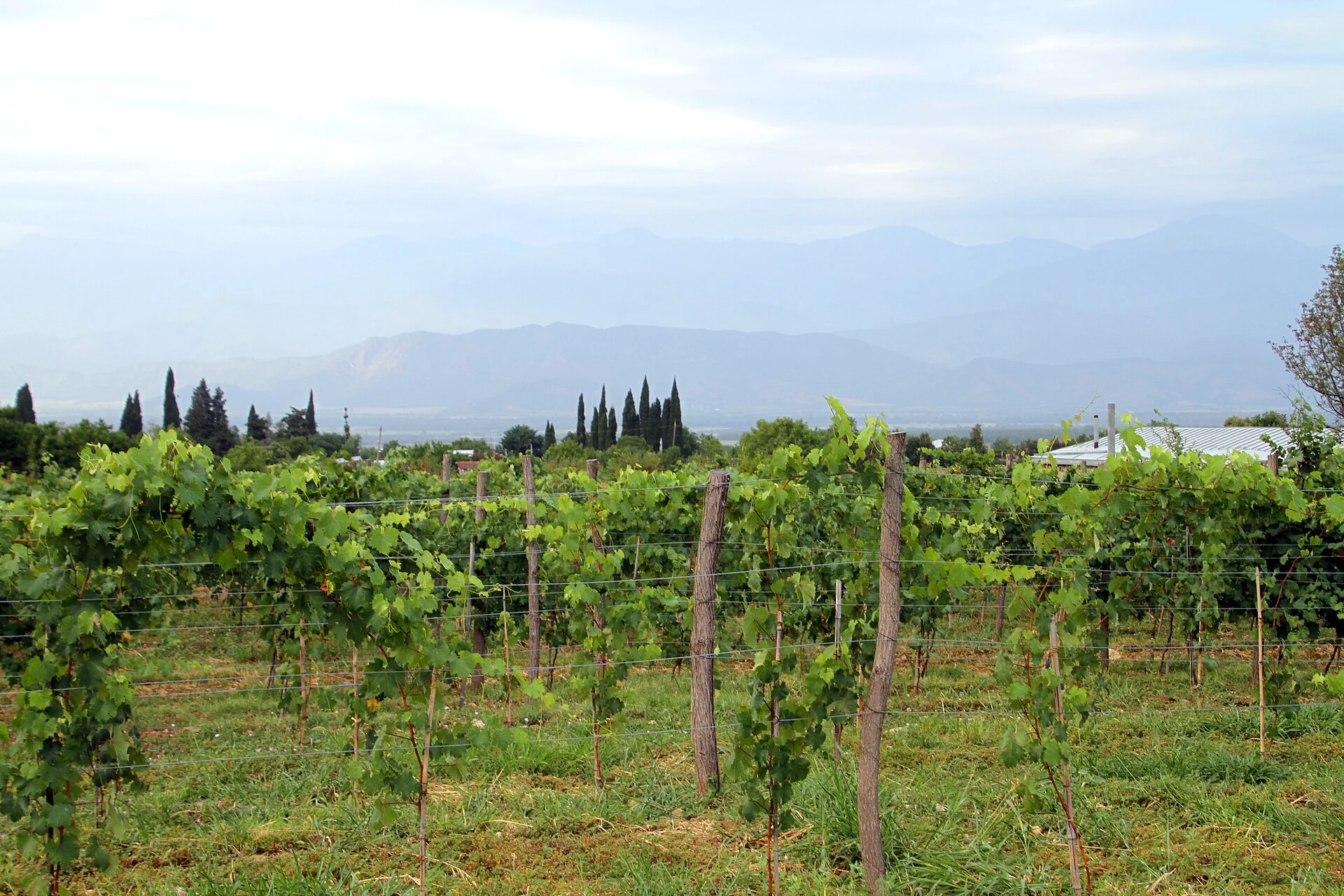
Vines at Mosmieri Kakheti Wine Centre in Georgia. Photograph by Gerd Eichmann. Source photograph, CC BY-SA 4.0. Resized by Wikimedia to a maximum 1920px width where applicable and converted to WebP. Responsive copies resized and compressed to WebP.
Forest road between Telavi and Gombori, part of a Kakheti travel route. Photograph by Jelger Groeneveld. Source photograph, CC BY 2.0. Resized to a maximum 1920px width and converted to WebP. Responsive copies resized and compressed to WebP.
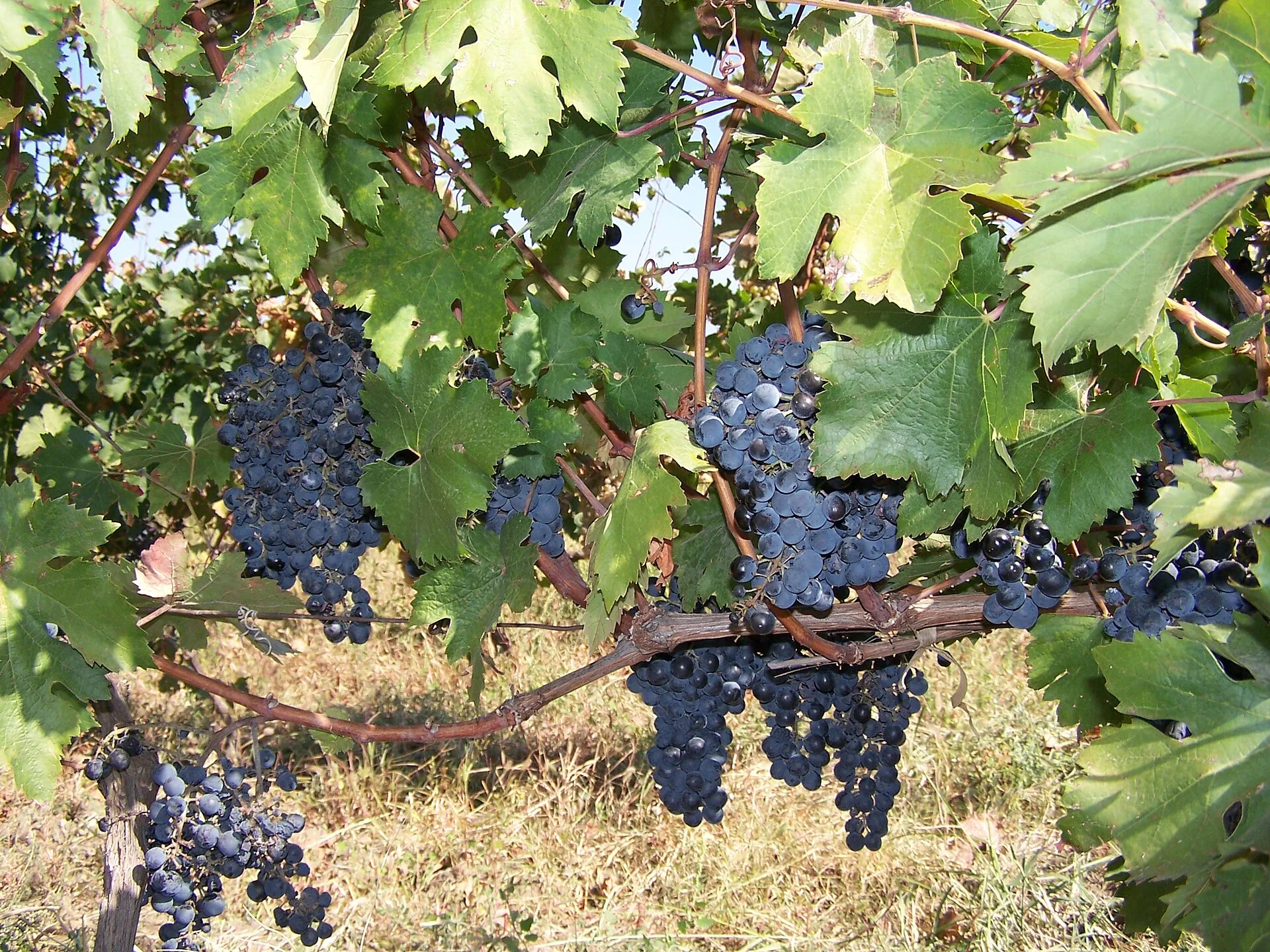
Grapes during the Rtveli vintage season in Kakheti. Photograph by rugbyxm. Source photograph, CC BY 2.0. Resized by Wikimedia to a maximum 1920px width where applicable and converted to WebP. Responsive copies resized and compressed to WebP.