A waterfall inside Tbilisi
Follow the gorge behind Abanotubani for one of Georgia's most unusual urban nature stops.
Leghvtakhevi is the rare Georgian waterfall that fits naturally into an Old Tbilisi walking day, with a developed gorge path and no need to turn the visit into a mountain excursion.
- Area
- Old Tbilisi
- Access style
- Developed urban walking path with bridges and benches; still expect damp or slippery surfaces in a narrow gorge.
- Overnight base
- Tbilisi — compare options ↓
Area search, not a confirmed venue entrance. Use the guide's visitor details for the final approach.
In this guide
Leghvtakhevi Waterfall in Tbilisi: An Old City Gorge Walk
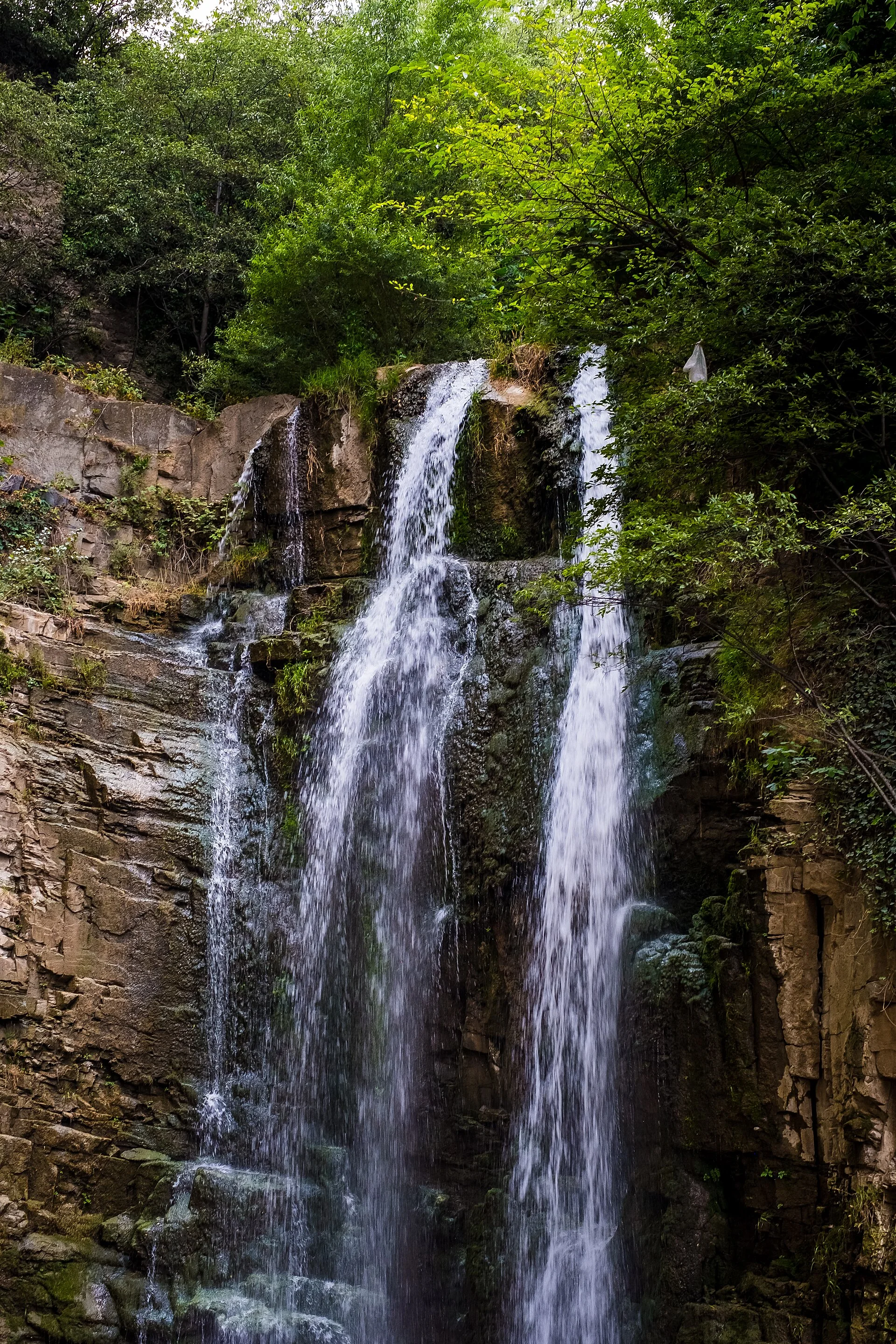
Leghvtakhevi Waterfall sits in a narrow gorge directly behind Tbilisi's historic sulfur-bath district. The Tsavkisistskali River descends from the Mtatsminda side of the city, passes the Botanical Garden and drops through the gorge before continuing toward the Mtkvari. Georgia Travel describes the waterfall as twenty-two metres high, reached along a walking path framed by cliffs, bridges, benches and the colorful buildings of Old Tbilisi above.
Its appeal is contrast. A traveler can move from tiled bathhouses, brick domes and old-city streets into a rocky river corridor without leaving central Tbilisi. That accessibility makes Leghvtakhevi an excellent first waterfall for visitors who are not planning a rural driving day, but it should still be treated as an outdoor gorge. Wet paving, stairs and spray can be slippery, and river character changes with weather and season even though the attraction itself is embedded in the city.
How the gorge connects to Abanotubani
The lower end of Leghvtakhevi begins beside Abanotubani, the historic district associated with Tbilisi's sulfur waters. Georgia Travel's dedicated Leghvtakhevi page describes the gorge as starting from the end of Abano Street and running toward the waterfall below Narikala. For travelers already walking the old city, that means the waterfall works best as part of the same neighborhood rather than as a separate transport-heavy attraction.
Follow the developed pedestrian corridor through the gorge and let the surroundings change gradually. The path includes small bridges and places to pause, while the upper walls give glimpses of houses and cliffs above. Because the route is contained in a narrow valley, surfaces may stay damp longer than open streets after rain. Comfortable walking shoes are a better choice than smooth-soled dress shoes even though you remain in the city center.
Why the waterfall belongs in the story of Tbilisi
Leghvtakhevi is not merely a decorative cascade installed beside the old baths. The Tsavkisistskali is a real river cutting through a natural gorge, and Georgia Travel links the valley directly to the sulfur-water landscape for which Tbilisi is famous. The Georgian name is associated with fig trees that once grew in the valley, giving the place a distinct identity within the city's older geography.
The same setting helps explain why Abanotubani, Narikala and the Botanical Garden feel so tightly connected on a map. Steep terrain channels movement into ravines and ridges, while the Mtkvari anchors the lower city. Seeing the waterfall after the baths makes that topography legible: historic Tbilisi was shaped not only by streets and fortifications but also by hot springs, small rivers and the steep land around them.
Seasonal character without promising a fixed view
Georgia Travel's family-attractions page notes that Leghvtakhevi can look different through the year, describing a calmer flow in summer, stronger water in spring and possible freezing in winter. Those observations are useful as broad context, not as a forecast for a particular date. Rainfall, temperature and upstream conditions can alter the appearance, so arrive expecting a city gorge rather than a guaranteed volume of water or a specific photographic effect.
Dusk is often recommended for the illuminated old-city atmosphere, but daylight is better if your priority is understanding the gorge and seeing wet steps clearly. In winter, ice can make shaded surfaces more hazardous; after rain, spray and runoff can do the same. You do not need special hiking equipment for an ordinary visit, but you should use the same judgment you would on any wet urban path and avoid climbing onto rocks or barriers for a photograph.
Build a compact Old Tbilisi walking plan around it
A logical sequence begins around Abanotubani, continues through Leghvtakhevi and then returns to the old-city streets for Narikala, Metekhi, cafés or a booked sulfur bath. The nearby Botanical Garden is another possible extension, but its entrances, opening arrangements and walking distances should be checked separately rather than assumed from the waterfall path. The virtue of this plan is flexibility: if the gorge is crowded or wet, there are many indoor and historical alternatives close by.
Staying in central Tbilisi makes the visit easiest, but you do not need to book directly beside the gorge. The metro, buses and taxis cover the city widely, and the historic center is compact enough to connect many sights on foot once you arrive. Choose accommodation around your whole Tbilisi itinerary rather than for the waterfall alone; Leghvtakhevi is best understood as one memorable layer in a much larger old-city day.
Plan the visit and the journey back.
- Setting
- Old Tbilisi, directly behind the Abanotubani sulfur-bath district in the Leghvtakhevi gorge.
- Access style
- Developed urban walking path with bridges and benches; still expect damp or slippery surfaces in a narrow gorge.
- Combine with
- Abanotubani, Narikala and other Old Tbilisi sights; check Botanical Garden access separately if adding it.
- Weather note
- Waterfall appearance and path conditions vary. Use daylight and grippy shoes when rain, winter ice or heavy spray makes footing uncertain.
Area search, not a confirmed venue entrance. Use the guide's visitor details for the final approach.
Stay where the next day makes sense.
Compare the base first, then check the property's location and transport for your outing.
Tbilisi
Compare a city stay; check the property's actual neighbourhood and the return journey from your outing.
Compare directory stays →Search Tbilisi on Booking.com ↗Useful answers before setting out.
Is Leghvtakhevi Waterfall really in central Tbilisi?
Yes. It is in the gorge immediately behind Abanotubani in Old Tbilisi, reached by a developed pedestrian route from the historic district.
Do I need a car to visit Leghvtakhevi?
No. The waterfall is an urban attraction and fits naturally into an Old Tbilisi walking itinerary once you reach the historic center.
Is the waterfall equally powerful all year?
Do not expect a fixed flow. Georgia Travel describes seasonal differences, and short-term rainfall and temperature can change both the waterfall and the walking surface.
Confirm the current visitor details.
Access, weather, opening hours and bookable experiences can change. Check the relevant operator or visitor authority for your date.
Photograph sources and licenses
Leghvtakhevi waterfall in the historic district of Tbilisi. Photograph by Ken Zuk. Source photograph, CC BY 2.0. Resized and converted to WebP. Responsive copies resized and compressed to WebP.
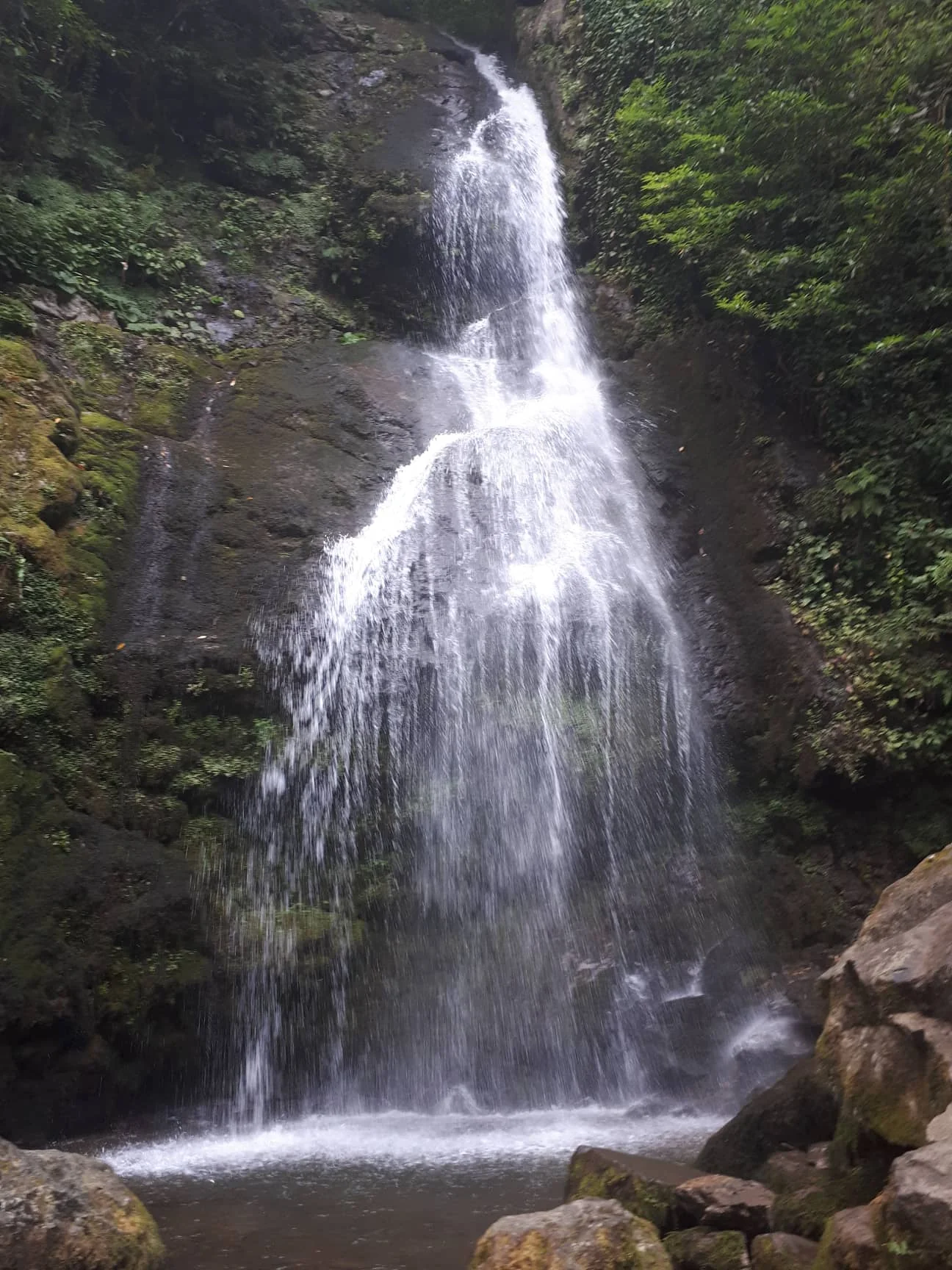
Makhuntseti waterfall spilling over a forested rock face in Adjara. Photograph by Wojciech Biegun. Source photograph, CC BY-SA 3.0. Converted to WebP, resized for web delivery. Responsive copies resized and compressed to WebP.
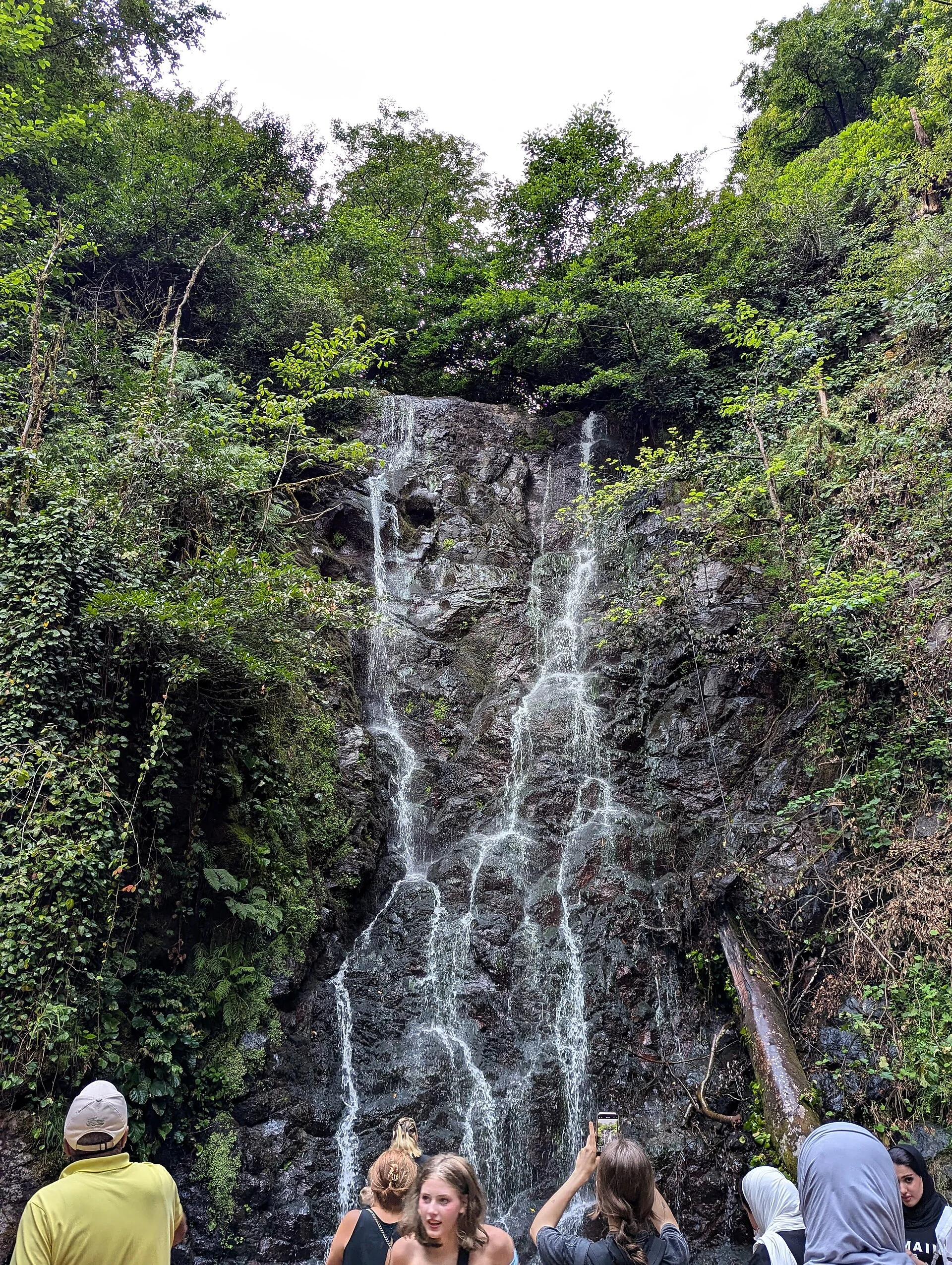
Mirveti waterfall in a green Colchic forest corridor near Batumi. Photograph by FingerWiki. Source photograph, CC BY-SA 4.0. Converted to WebP, resized for web delivery. Responsive copies resized and compressed to WebP.
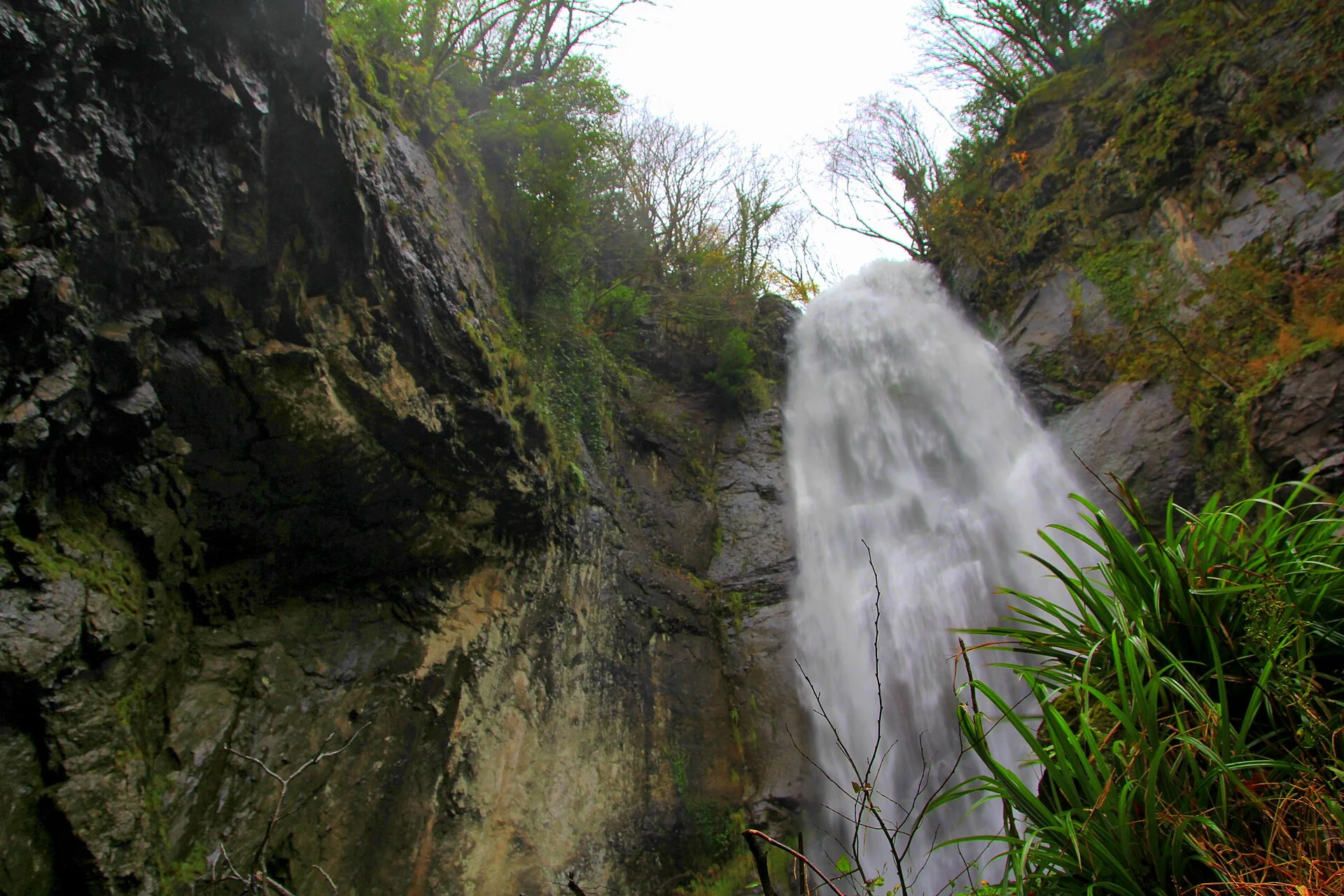
Tsablnari waterfall in Mtirala National Park behind Batumi. Photograph by Kober. Source photograph, CC BY-SA 4.0. Converted to WebP, resized for web delivery. Responsive copies resized and compressed to WebP.