Plan for conditions, not a calendar promise
Use season as a starting point, then verify weather, roads and trail conditions for the exact waterfall you want to visit.
There is no single best waterfall month across Georgia: spring can bring stronger flow, summer can simplify some itineraries, autumn can suit regional road trips, and winter can transform or restrict access, so choose the site first and verify current conditions second.
- Area
- Georgia countrywide
- Spring
- Potentially stronger flows, but also wetter paths, higher rivers and lingering mountain snow; verify crossings and trail conditions.
- Overnight base
- Ambrolauri, Racha — compare options ↓
Area search, not a confirmed venue entrance. Use the guide's visitor details for the final approach.
In this guide
Best Time to See Waterfalls in Georgia: Seasons, Flow and Access
Georgia's waterfalls sit in very different climates and elevations, so a single 'best time' rule is misleading. Leghvtakhevi is inside Tbilisi and can change from stronger spring flow to calmer summer water or winter ice. Makhuntseti and Mirveti lie in humid Adjara. Kinchkha is in western Imereti. Waterfall of Love sits in mountainous Racha, while Shdugra rises into the high Svaneti landscape beneath Ushba. The calendar does not affect all of these places in the same way.
Plan in two layers. First choose a season that suits the wider region you want to visit. Then, close to departure, verify rainfall, temperature, road condition and trail access for the exact waterfall. Official tourism pages can describe typical seasons or established routes, but they cannot promise the water volume, bridge condition or road surface you will encounter. This matters most in high mountains, where snowmelt, storms and river crossings can change a hike far more than the date printed on an itinerary.
Spring: more water can also mean more complexity
Spring is attractive because rivers and waterfalls can carry more water as rain and snowmelt feed catchments. Georgia Travel specifically describes Leghvtakhevi as more forceful in spring than in summer, making the compact Tbilisi gorge a useful example of seasonal change. In lowland and city settings, that can produce a dramatic view without requiring a high-mountain route.
In mountain valleys, stronger water is not automatically better. Higher rivers can complicate crossings, rain can soften trails and lingering snow can affect access long after cities have warmed. Shdugra's official hiking page includes spring among the broad seasons for the route, but that is not a guarantee that every spring date is suitable. Ask locally in Svaneti about the current trail and crossing before committing to an upper section.
Summer: easier trip structure, not guaranteed maximum flow
Summer often makes a multi-region road trip simpler because daylight is long and many mountain communities are active, but water volume can be lower at some falls. Georgia Travel notes that Leghvtakhevi becomes calmer in summer. That is not a reason to skip it; it simply changes the character from a forceful seasonal cascade to a quieter urban gorge feature.
For Shdugra, summer may be a practical hiking season according to the official route page, yet visitors still need waterproof clothing near the heavy spray and must judge mountain weather. Adjara's Makhuntseti and Mirveti remain attractive for greenery and water, but summer popularity can bring more people to narrow approaches. Start with comfort and safe footing rather than chasing the moment of highest possible flow.
Autumn: strong scenery, shorter margins later in the season
Autumn can be an excellent time for waterfall-focused regional travel because forest color adds another layer to western Georgia and Racha. Georgia Travel's Racha material emphasizes the region's forested mountain landscapes, while the Shdugra hiking page includes autumn in its broad recommended period. Early autumn can therefore suit a trip combining waterfalls with villages, wine and mountain scenery.
The tradeoff is shrinking daylight and increasing weather variability as the season advances. Do not transfer a pleasant September experience into a promise for late October or November. In high valleys, overnight cold can affect wet paths; in forested areas, leaves can hide mud or uneven ground. Shorten the day's ambitions, keep a turnaround margin and verify local road and trail conditions close to the visit.
Winter: choose urban or confirmed-access waterfalls carefully
Winter can produce striking scenes, including ice. Georgia Travel notes that Leghvtakhevi is prone to freezing, which can make the waterfall visually unusual while also making the shaded gorge path slippery. A central Tbilisi waterfall therefore remains a realistic winter possibility when the pedestrian route is open and safe, but visitors should not assume dry pavement simply because the attraction is urban.
High-mountain waterfalls require much more caution in winter. Snow, ice and road conditions can change access to Svaneti and Racha, and this guide does not recommend converting summer hiking descriptions into winter instructions. If a waterfall requires a trail, river crossing or remote mountain road, seek current local advice before leaving. The safest winter waterfall plan is one that can be abandoned easily for a museum, town or valley alternative if conditions are poor.
Plan the visit and the journey back.
- Spring
- Potentially stronger flows, but also wetter paths, higher rivers and lingering mountain snow; verify crossings and trail conditions.
- Summer
- Long daylight and active regional travel can simplify logistics, while some waterfalls may be calmer and popular sites busier.
- Autumn
- Forest color can make Racha and western Georgia especially rewarding; preserve daylight margin and reassess mountain conditions later in the season.
- Winter
- Favor urban or clearly confirmed access. Ice can transform waterfalls and also make paths hazardous; do not infer winter safety from a summer route description.
Area search, not a confirmed venue entrance. Use the guide's visitor details for the final approach.
Stay where the next day makes sense.
Compare the base first, then check the property's location and transport for your outing.
Ambrolauri, Racha
Start with the base used in this guide. Check road access, onward transport and your return before choosing a property.
Compare directory stays →Search Ambrolauri, Racha on Booking.com ↗Useful answers before setting out.
What month has the strongest waterfalls in Georgia?
There is no reliable countrywide answer. Flow depends on each catchment, recent rain, snowmelt and local weather. Choose a region and check current conditions rather than booking around a guaranteed month.
Is summer a bad time for waterfalls in Georgia?
No. Some falls may be calmer, but summer can offer long daylight and easier overall trip planning. The experience depends on the specific waterfall rather than a national rule.
Can I hike to Shdugra in winter?
This guide does not recommend using the standard warm-season route description as winter guidance. High-mountain snow, ice, river and road conditions require current local advice and appropriate experience.
Confirm the current visitor details.
Access, weather, opening hours and bookable experiences can change. Check the relevant operator or visitor authority for your date.
- Georgia Travel: Weather and seasons in Georgia ↗
- Georgia Travel: Leghvtakhevi ↗
- Georgia Travel: Hike from Mazeri village to Shdugra waterfall ↗
- Georgia Travel: Ajara ↗
- Georgia Travel: Racha-Lechkhumi & Kvemo Svaneti ↗
Photograph sources and licenses
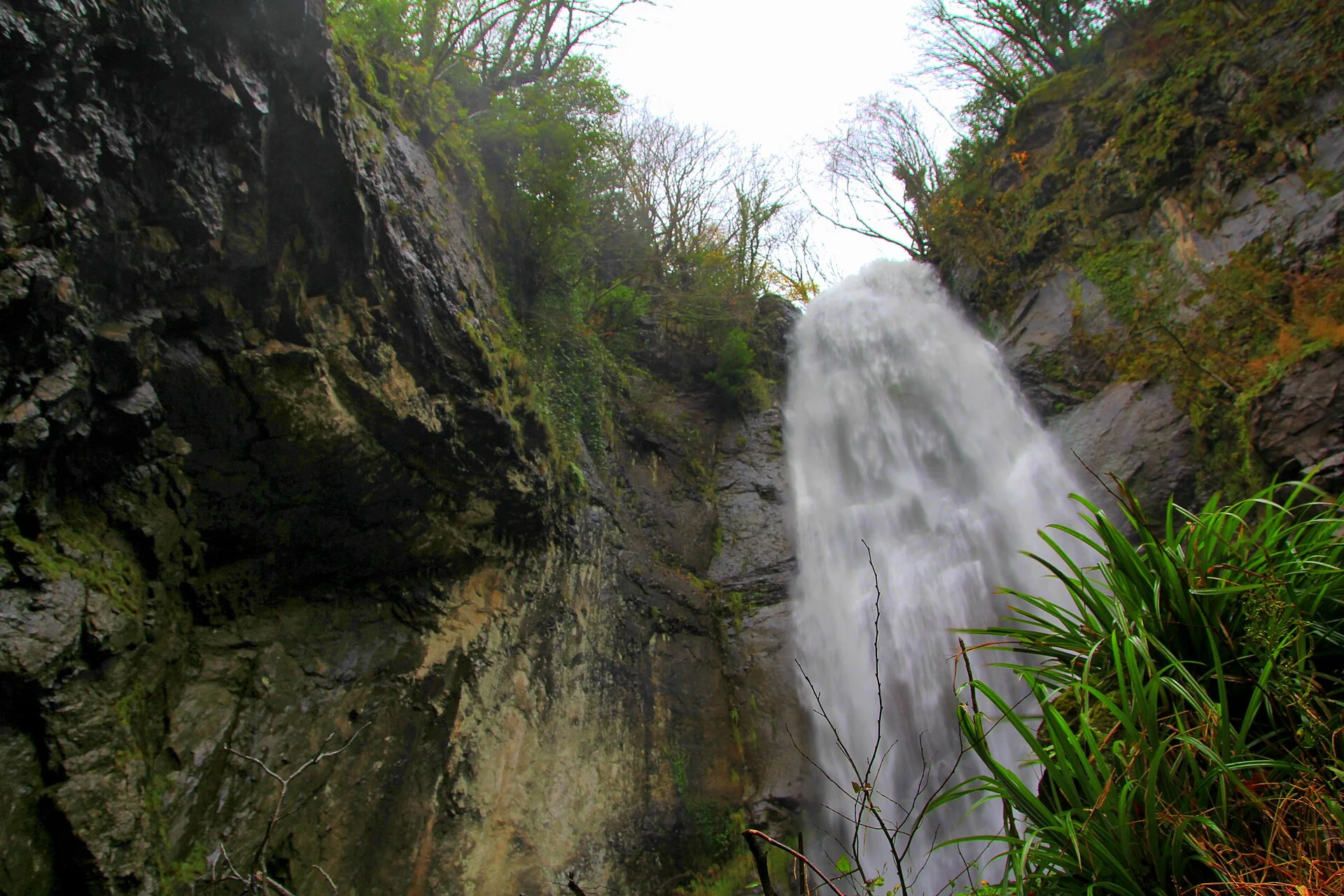
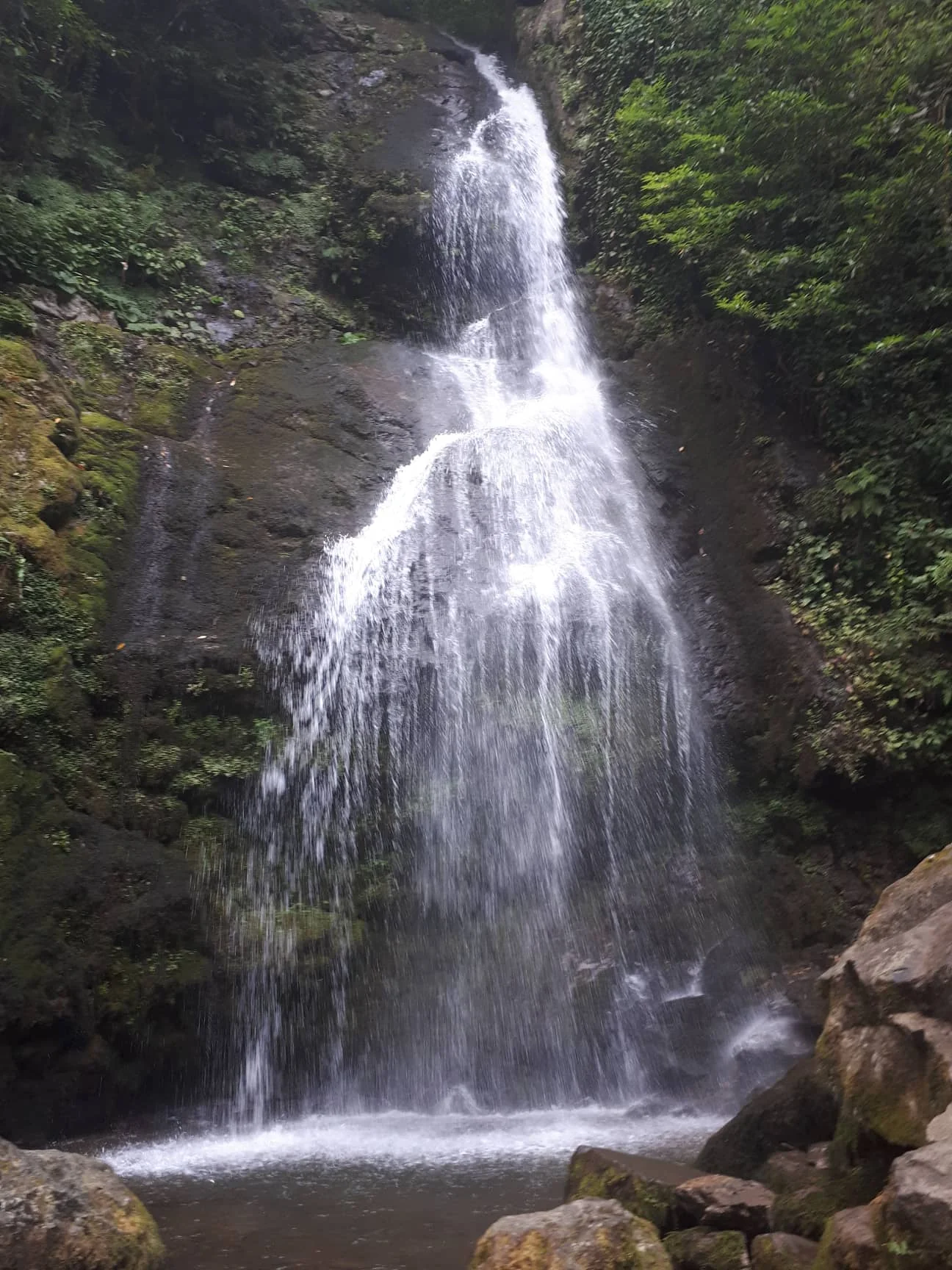
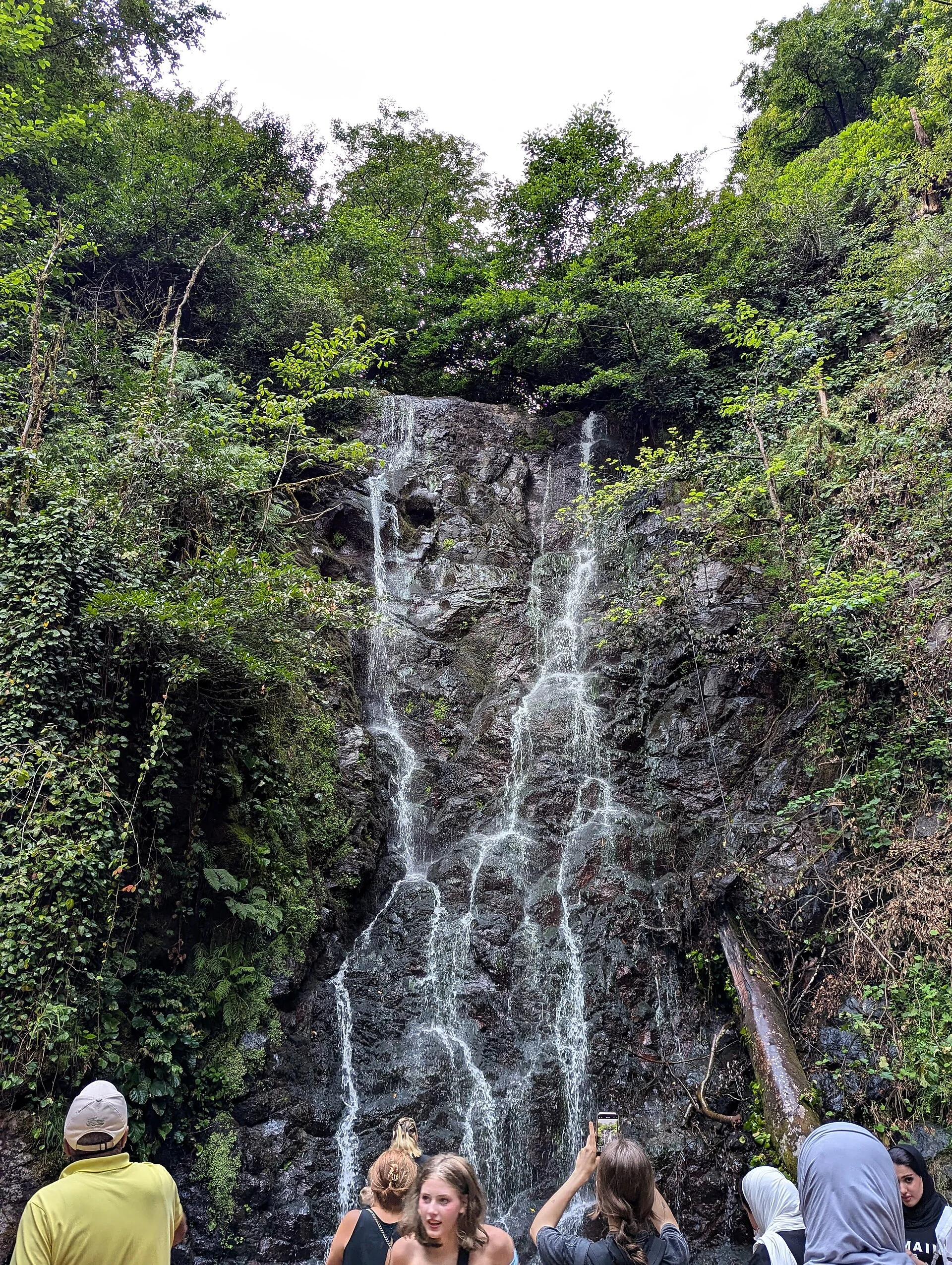
Mirveti waterfall in a green Colchic forest corridor near Batumi. Photograph by FingerWiki. Source photograph, CC BY-SA 4.0. Converted to WebP, resized for web delivery. Responsive copies resized and compressed to WebP.
Makhuntseti waterfall spilling over a forested rock face in Adjara. Photograph by Wojciech Biegun. Source photograph, CC BY-SA 3.0. Converted to WebP, resized for web delivery. Responsive copies resized and compressed to WebP.
Tsablnari waterfall in Mtirala National Park behind Batumi. Photograph by Kober. Source photograph, CC BY-SA 4.0. Converted to WebP, resized for web delivery. Responsive copies resized and compressed to WebP.