Warm water, mountain air
Plan a thermal-water visit in Abastumani while keeping its resort history and changing facilities in perspective.
Choose Abastumani for a slow mountain-resort stay with a thermal-bathing tradition, and confirm a specific functioning bath before planning to soak.
- Location
- Mountain resort in Adigeni Municipality, Samtskhe-Javakheti, about 1,300 meters above sea level.
- Bath access
- Identify a specific operating hot-spring bath or accommodation facility and verify guests, bookings, changing areas and entry conditions.
- Overnight base
- Abastumani, Samtskhe-Javakheti — compare options ↓
Area search, not a confirmed venue entrance. Use the guide's visitor details for the final approach.
In this guide
Abastumani Hot Springs: Mountain Baths, Pines and an Observatory
Abastumani is a pine-covered mountain resort in southern Georgia, at roughly 1,300 meters above sea level. It attracts visitors for the scenery, quiet streets and astronomical observatory, but warm mineral springs are central to its history. The bathing tradition is old enough to appear in Georgian geographical accounts, and nineteenth-century resort development added bath facilities to a mountain settlement valued for its climate.
It is tempting to assume that a place repeatedly called a hot-springs resort must offer a modern walk-in pool at every time of year. That is not a dependable way to plan Abastumani. Buildings, services and private lodging offerings change, and a historical sulfur bath is different from a hotel's heated swimming pool. Confirm one identifiable operating venue and the terms of its admission before making bathing the centerpiece of a long drive.
Why thermal water became part of Abastumani's identity
Georgia Travel relates Abastumani's spring reputation to the historical geographer Vakhushti Batonishvili and the older settlement of Odzdrakhe. The formal resort story became especially visible in the nineteenth century, when the area developed around mountain air and mineral water. The regional tourism authority connects the growth of the baths and surrounding resort buildings with a member of the Russian imperial family who spent time here.
These accounts reveal how a natural resource shaped a settlement, but they should not be read as modern clinical evidence. The town's historical literature often promises benefits for respiratory and other illnesses; this guide makes no such recommendation. Enjoy the wooded valley and resort architecture without feeling obliged to undertake a therapeutic course.
What to establish before looking for a hot bath
Unlike Borjomi's well-described outdoor pool complex or Tskaltubo's named treatment centers, an Abastumani search may turn up older baths, wellness accommodations and informal listings using similar names. Ask the proposed venue whether the water is naturally mineralized, whether the bath is shared or private, whether a prior booking is necessary and whether bathing is available to nonresidents. Obtain the exact address or map pin before leaving your base.
Ask just as carefully about current hours, maintenance periods, changing rooms and supplies. A resort building appearing in tourism photographs may be closed to the public, undergoing repairs or operating only as part of another service. Thermal water varies in temperature, and rooms can have slippery floors or steps. People seeking accessible entry, family access or a quiet private session need specific answers from the operator rather than assumptions drawn from the town's reputation.
The observatory makes an overnight visit worthwhile
Abastumani's Astrophysical Observatory, established in 1932, is one of the settlement's signature attractions. Georgia Travel notes its museum and opportunities for telescope observation. It gives the resort an unusual double identity: a place associated with water and the body by day, and with the night sky and scientific study after dark. Check observatory access and any public viewing timetable separately from your accommodation and bath plans.
Daylight hours are best used for a measured walk through the pine-covered valley and to examine the historical resort streets. Evening programs at an observatory depend on weather, staffing and operating policy, so a clear forecast is not itself a ticket. If you want both a thermal session and telescope viewing, staying overnight is less rushed than trying to arrive from Kutaisi or Tbilisi and depart immediately afterward.
Approach roads, seasons and responsible expectations
Abastumani lies within Adigeni Municipality in Samtskhe-Javakheti. It is best treated as a mountain destination rather than a quick detour from a western-Georgia city. Road conditions, darkness and winter weather may extend travel, and some routes over high passes are seasonal. Official Georgia Travel itineraries show a scenic connection by way of Zekari Pass, but specifically frame it as an SUV route with appropriate tires rather than ordinary year-round road access.
Plan around the easiest reliable approach for the season, confirm lodging before arrival and keep an alternative activity in mind if bathing services are not available. Warm layers matter even when your accommodation is heated, and mountain evenings can feel cold after a soak. Take care when entering unfamiliar hot water and stop if uncomfortable. The appeal of Abastumani does not depend on pushing a bathing session into a day when the available facilities do not fit.
Plan the visit and the journey back.
- Location
- Mountain resort in Adigeni Municipality, Samtskhe-Javakheti, about 1,300 meters above sea level.
- Bath access
- Identify a specific operating hot-spring bath or accommodation facility and verify guests, bookings, changing areas and entry conditions.
- Second attraction
- Abastumani Astrophysical Observatory and its museum; check public visits and telescope-session arrangements separately.
- Travel
- Choose a season-appropriate road and allow mountain driving time; high-pass connections such as Zekari require special planning.
Area search, not a confirmed venue entrance. Use the guide's visitor details for the final approach.
Stay where the next day makes sense.
Compare the base first, then check the property's location and transport for your outing.
Abastumani, Samtskhe-Javakheti
Start with the base used in this guide. Check road access, onward transport and your return before choosing a property.
Compare directory stays →Search Abastumani, Samtskhe-Javakheti on Booking.com ↗Useful answers before setting out.
Can I definitely use a public sulfur bath in Abastumani today?
Do not assume one is open on arrival. Confirm a named operating venue and its current entry arrangements before traveling for a soak.
Is the Abastumani Observatory related to the hot springs?
They are different attractions in the same mountain resort. The observatory focuses on astronomical research and visitor programs, while the springs belong to the town's bathing history.
Is Abastumani suitable for a casual afternoon from Kutaisi?
It is possible as a longer excursion, but mountainous roads and uncertain bath availability make an overnight trip more comfortable, especially if you also want the observatory.
Confirm the current visitor details.
Access, weather, opening hours and bookable experiences can change. Check the relevant operator or visitor authority for your date.
- Georgia Travel: Abastumani mountain resort and observatory ↗
- Visit Samtskhe-Javakheti: Abastumani history and sulfur baths ↗
- Georgia Travel: recommended SUV itinerary over Zekari Pass ↗
Photograph sources and licenses
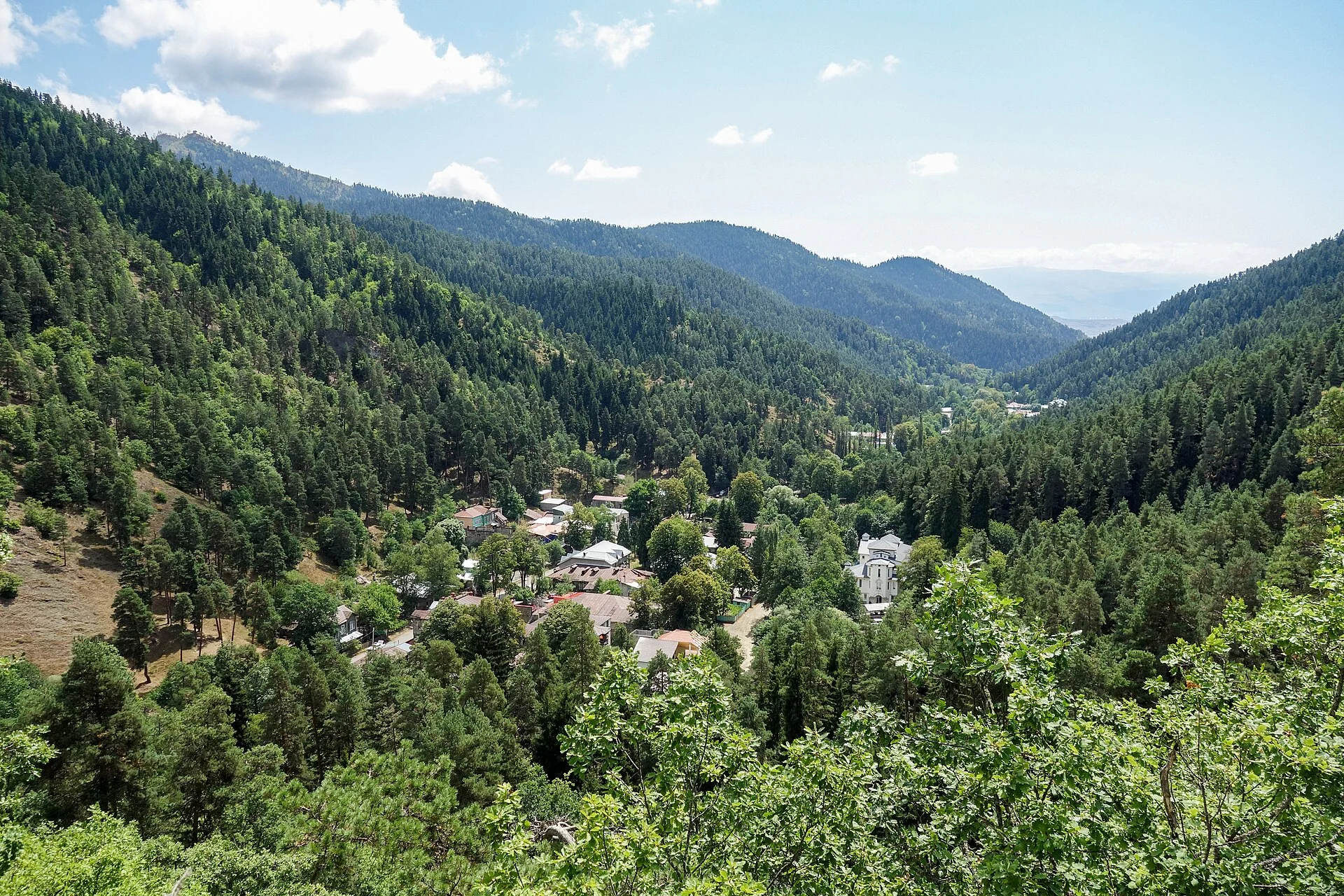
Abastumani mountain resort in Samtskhe-Javakheti. Photograph by Yasuhiro Kojima. Source photograph, CC BY-SA 4.0. Converted to WebP. Responsive copies resized and compressed to WebP.
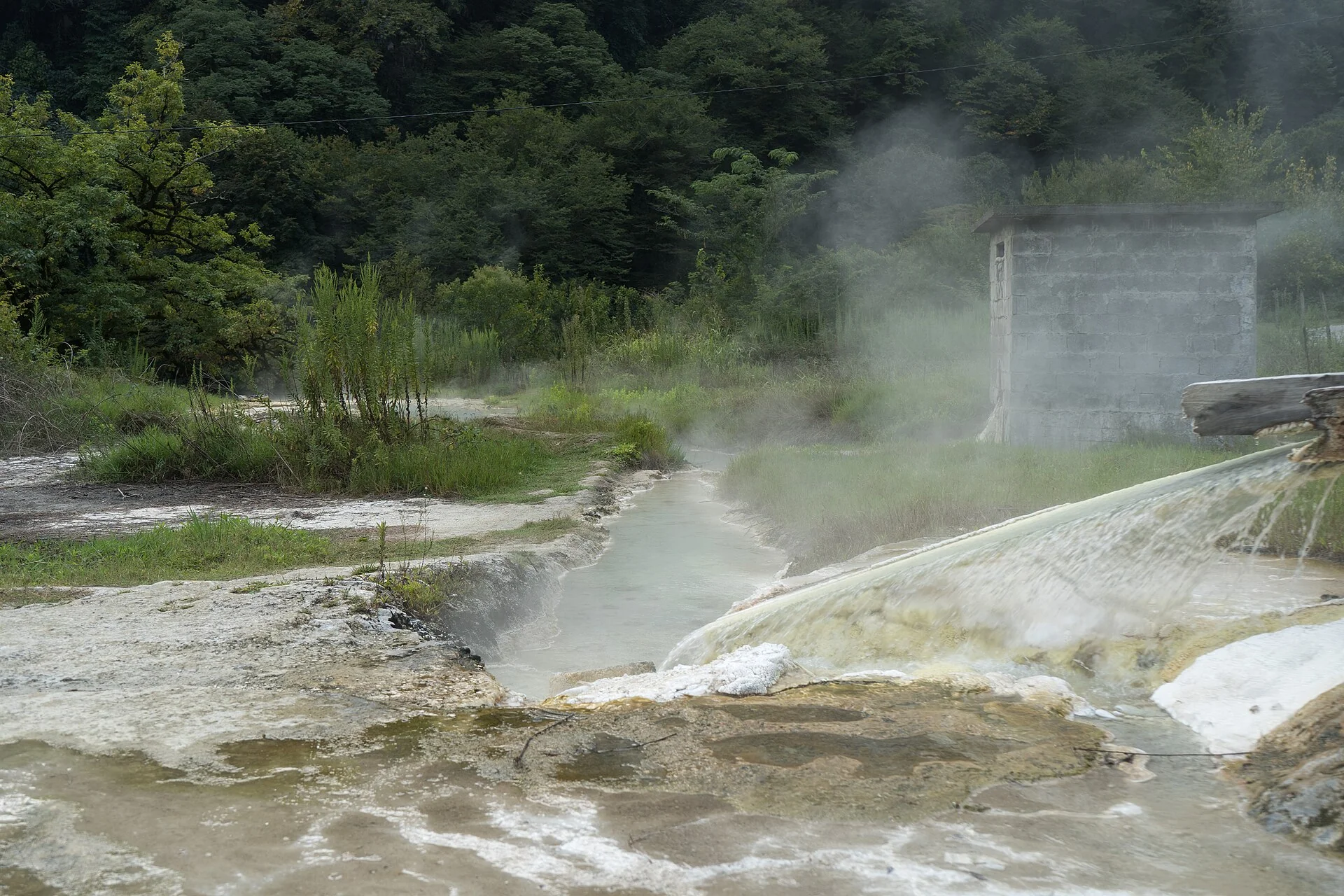
Natural steaming sulfurous mineral-water formations in Nokalakevi, Samegrelo. Photograph by Alexey Komarov. Source photograph, CC BY-SA 4.0. Converted to WebP. Responsive copies resized and compressed to WebP.
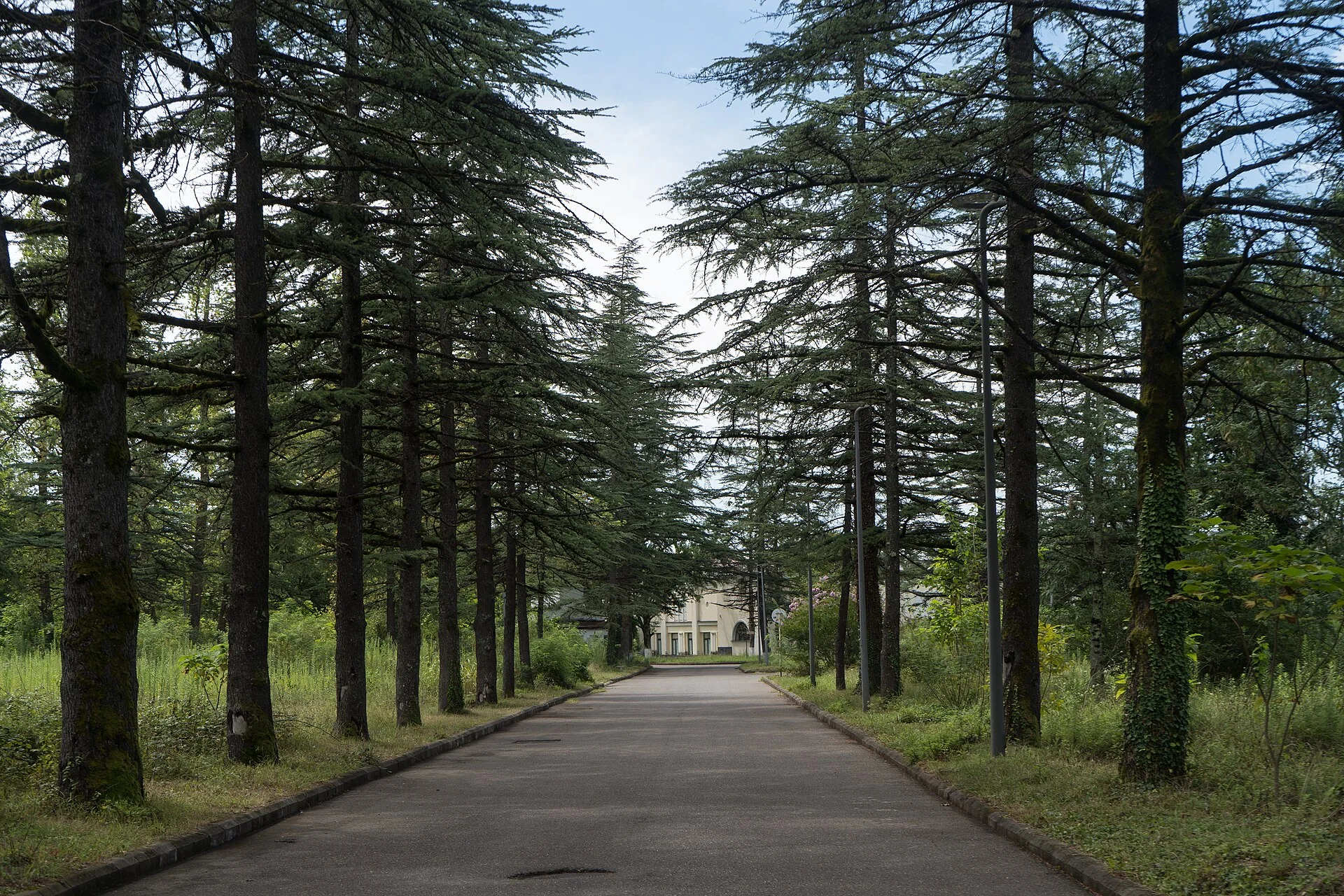
Tskaltubo mineral-water park. Photograph by Alexey Komarov. Source photograph, CC BY-SA 4.0. Converted to WebP. Responsive copies resized and compressed to WebP.
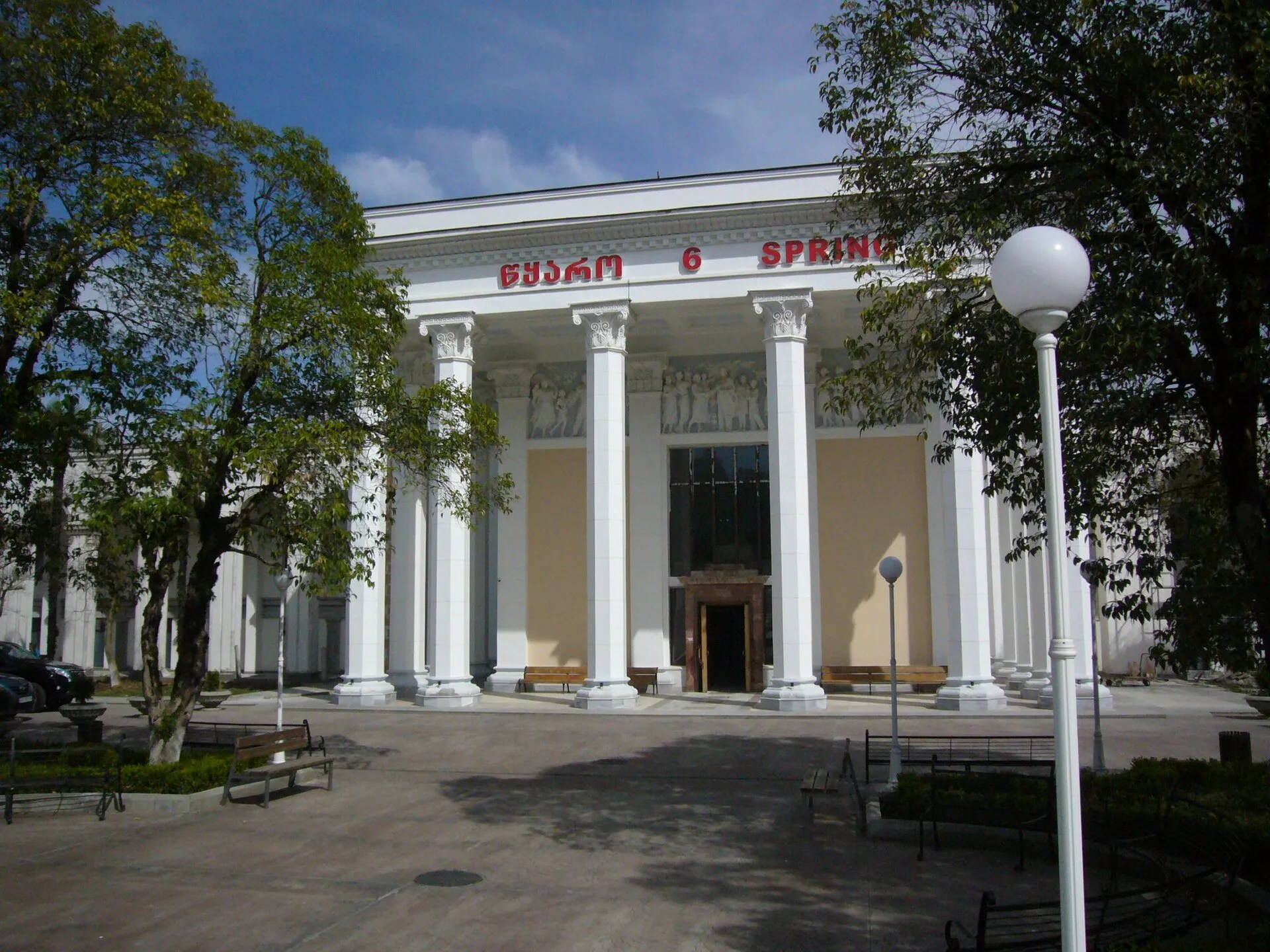
Spring No. 6 mineral-water bath building with white columns in Tskaltubo. Photograph by Georgia 2017. Source photograph, CC BY-SA 4.0. Converted to WebP. Responsive copies resized and compressed to WebP.