Where the food meets the qvevri
How to plan a wine-focused meal or structured tasting at Pheasant's Tears, and what the separate vineyard experience entails.
Choose Pheasant's Tears for an operator-documented Sighnaghi restaurant and natural-wine tasting; ask separately about vineyard visits and its reservation-only Crazy Pomegranate restaurant.
- Area
- Sighnaghi · Kakheti
- Town venue
- Pheasant's Tears lists its restaurant at 18 Baratashvili Street, Sighnaghi; confirm the current reservation before going.
- Tours & tastings
- Compare guided wine experiences ↓
Area search, not a confirmed venue entrance. Use the guide's visitor details for the final approach.
In this guide
Pheasant's Tears Sighnaghi: Natural Wine and the Restaurant
Pheasant's Tears is both a producer associated with Georgia's modern natural-wine movement and a restaurant in the centre of Sighnaghi. The distinction matters. The operator lists its restaurant at 18 Baratashvili Street, where food and wine are the immediate experience, while its winemaking description talks about a cellar built among vines so that grapes can be pressed quickly after picking. Booking lunch in town should not be mistaken for booking an excursion to that production site.
Founder John Wurdeman describes the enterprise as a meeting of wine, Georgian songs, food, art and culture. That idea comes through especially clearly in the restaurant's published approach: chef Gia Rokashvili works with market produce and seasonal ingredients, rather than promising a static list of traditional dishes. It is a venue for someone interested in the relationship between food and wine, with the freedom to choose a casual glass or a more organised tasting.
Find your Kakheti wine experience.
Choose a day around the wine, the food or the places you want to see. Compare these partner tours, then select your date and party on the booking site.
Regional photographKakheti wine, Sighnaghi & Bodbe
- Starts in
- Tbilisi
- Allow
- About 9 hours
Combine a wine-country introduction with Sighnaghi, Bodbe and Georgian food traditions. A useful choice when you want a varied day rather than one estate appointment.
Before booking: Check the tastings and food workshops included in your chosen option; dinner is separate.
View tour & dates on Booking.com ↗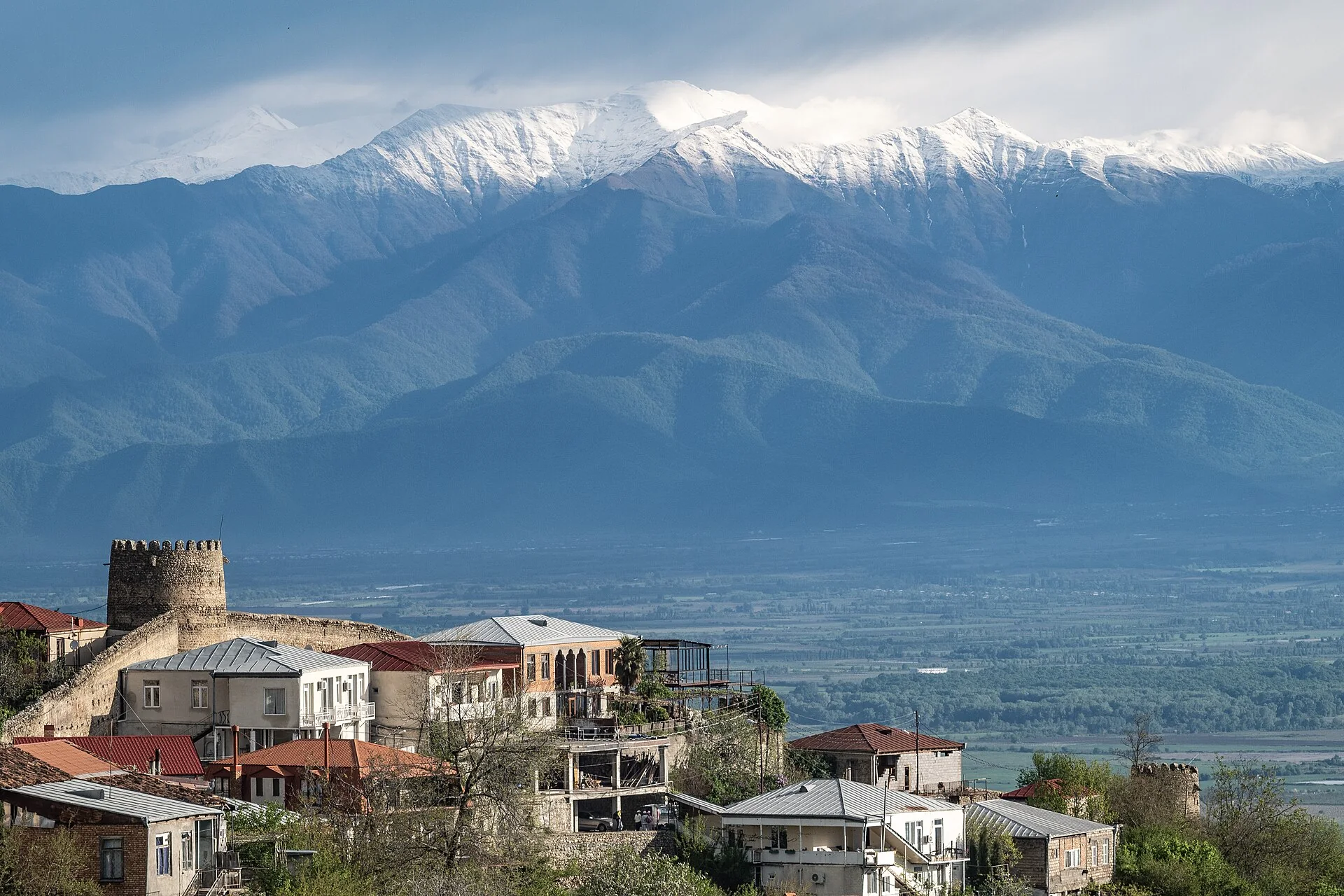 Regional photograph
Sighnaghi, Bodbe & Chronicles wine day
- Starts in
- Tbilisi meeting point
- Allow
- About 10 hours
Compare another Tbilisi departure combining Kakheti wine-country stops with Sighnaghi and Bodbe. The current product also names the Chronicles of Georgia in its route.
Before booking: Check the current stops, tasting inclusions, meeting point and package terms on Trip.com.
View tour & dates on Trip.com ↗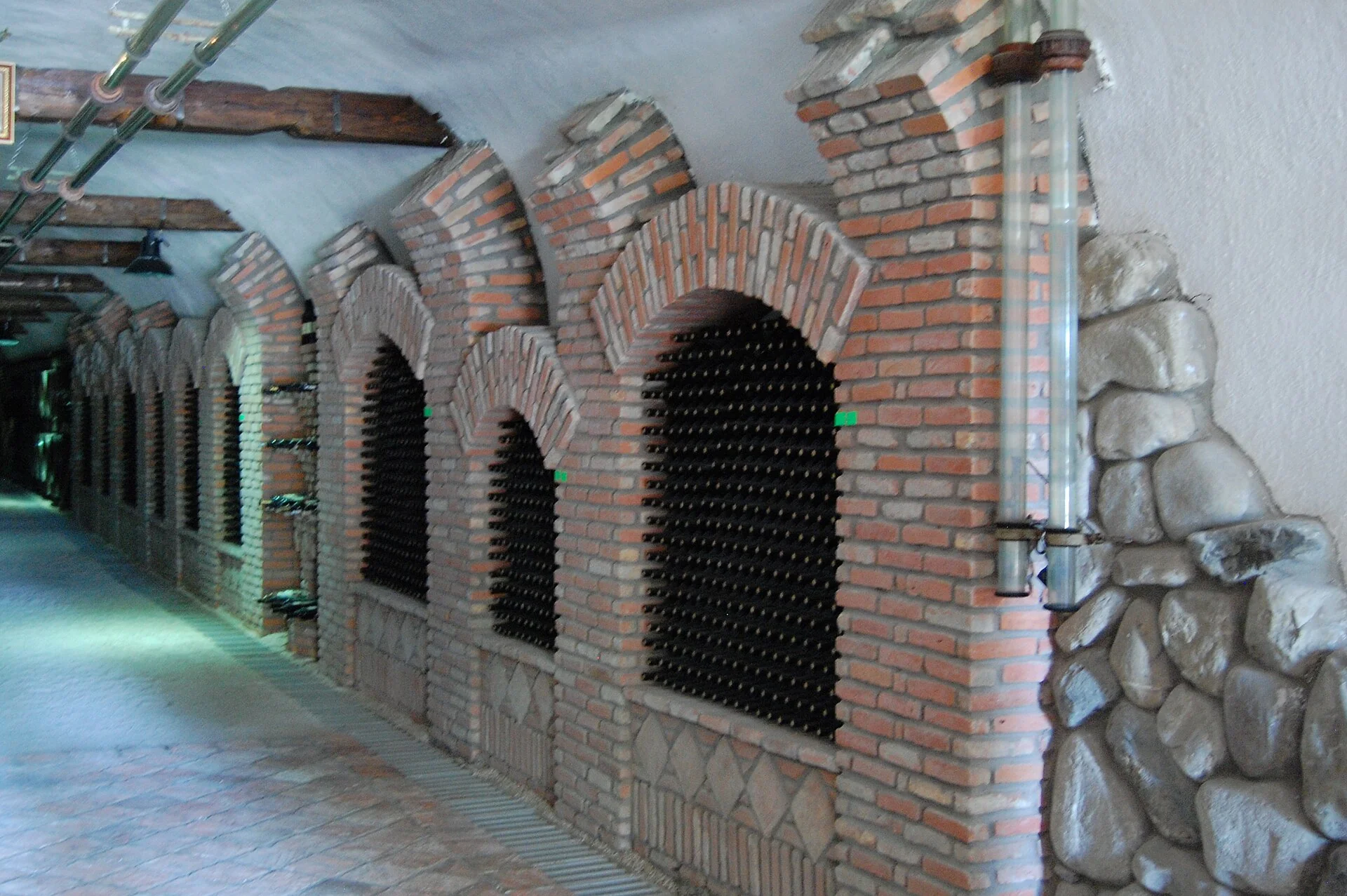 Regional photograph
Private wine day with Khareba tunnel
- Starts in
- Tbilisi hotel pickup
- Allow
- About 7 hours
Choose a private vehicle for a wine-focused route with Patardzeuli, Sighnaghi and a Khareba wine-tunnel stop. Compare this when the cellar visit matters more than a group sightseeing circuit.
Before booking: Khareba tunnel entrance is listed as an extra cost. Confirm the tasting package and final itinerary.
View tour & dates on Booking.com ↗Product descriptions reviewed 15 October 2026. Prices, dates, stops and inclusions can change; confirm the selected package with the provider. Arrange a non-drinking driver for independent winery visits.
Tour references & photograph credits
The photographs show the region or wine setting, not a documented group on the advertised tour.
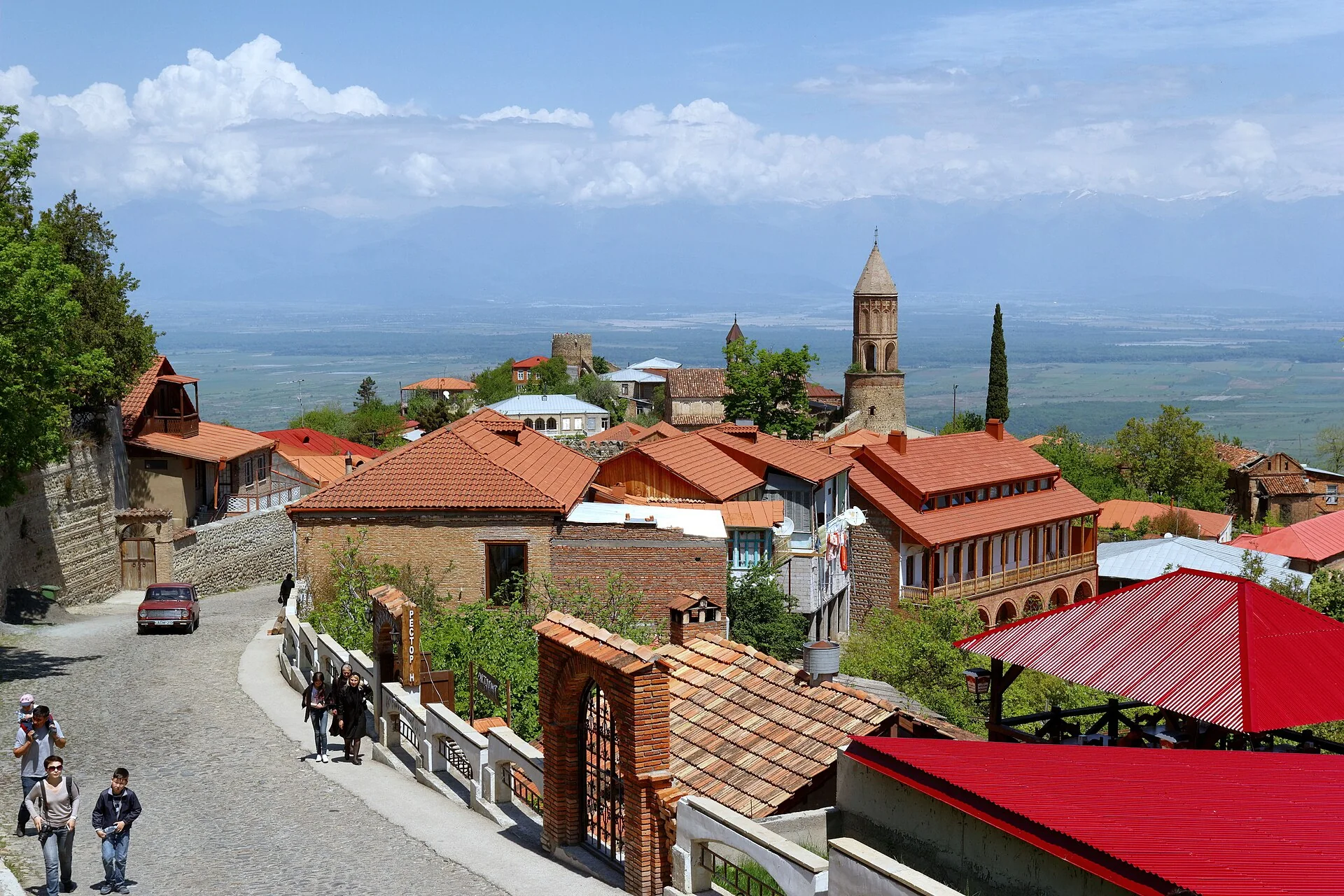
View across Sighnaghi in Kakheti, Georgia. Bernard Gagnon. Photo source · CC BY 4.0. Resized by Wikimedia to a maximum 1920px width where applicable and converted to WebP. Responsive copies resized and compressed to WebP.
Sighnaghi fortress wall with the mountain backdrop across the Alazani Valley. Vladimir Pankratov. Photo source · CC BY-SA 2.0. Resized to a maximum 1920px width and converted to WebP. Responsive copies resized and compressed to WebP.
Winery Khareba tunnel in Kvareli, Georgia. Andrzej Wójtowicz from Poznań, Poland. Photo source · CC BY-SA 2.0. Resized by Wikimedia to a maximum 1920px width where applicable and converted to WebP. Responsive copies resized and compressed to WebP.
What you can actually book or order in Sighnaghi
The operator's restaurant page expressly offers Pheasant's Tears wines, some older vintages and experimental cuvées that it says are served there or at its other restaurant, Crazy Pomegranate. Guests can order a glass or bottle, or enquire about a structured tasting or food-and-wine menu. These are different commitments. A spontaneous meal depends on the restaurant's current seating; a flight explained by staff is worth arranging ahead, especially if language, special dietary needs or group numbers are important.
The company describes its kitchen as flexible, drawing on local markets, farmers and seasonal ingredients. That means a published description of cooking style is more reliable than an imagined current menu. Ask whether a full meal is available alongside a tasting, whether the wines are matched to dishes and how much time the booking allows. If you only want to buy a bottle and move on, check bottle sales separately instead of reserving a long hosted session.
What the qvevri story really tells you
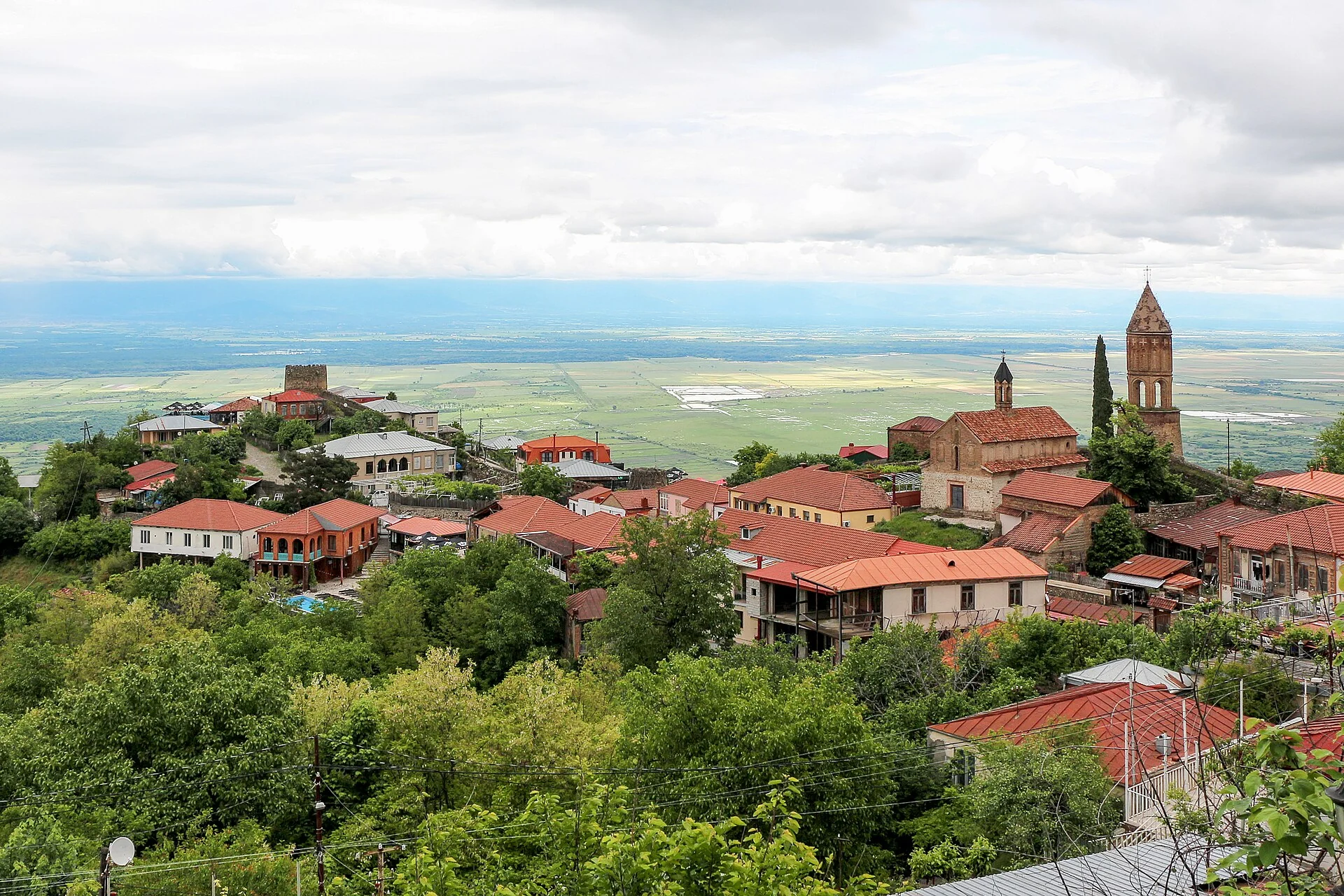
Pheasant's Tears says all its wines are fermented and aged in qvevri, earthenware vessels buried in the ground. Its vineyard page explains that it includes grape skins, pips and selected stems during fermentation, with maceration length changing by variety and vessel. The cellar is built at the vineyard to shorten the interval between harvest and pressing. Those are meaningful production decisions to ask about when comparing a white grape vinified with extended skin contact and a conventional pressed white wine.
UNESCO recognises the broader traditional qvevri method as intangible cultural heritage, a practice handed from families and communities through harvest and winemaking. Recognition celebrates cultural knowledge; it is not a wine-quality rating for an individual bottle. At a Pheasant's Tears tasting, ask which variety, harvest and qvevri process produced the wine rather than expecting every qvevri wine to taste alike. The operator also stresses that exclusive qvevri ageing means its wines do not acquire flavours from oak-barrel maturation.
The vineyard and Crazy Pomegranate are a separate plan
The operator identifies Crazy Pomegranate as a restaurant among the vines at the Pheasant's Tears Winery. Its own page states that tastings and meals there operate by reservation and specifies a minimum group size of ten. Those conditions may change, so request a current written confirmation; the critical planning fact is that this is distinct from the central Sighnaghi restaurant, with a different location and booking procedure.
If seeing vines is your priority, enquire specifically about vineyard access, whether a winemaker or guide will lead the visit and whether anyone can view the qvevri cellar. Do not assume a restaurant reservation comes with grape-growing demonstrations, production rooms or harvest participation. Working vineyards have agricultural and staffing priorities, particularly during rtveli, the autumn grape harvest. A carefully arranged small-group experience in town can be the better choice than a speculative vineyard transfer.
Fit the meal into a day in a hilltop town
Give Sighnaghi enough time to stand on its walls, see the Alazani Valley and walk streets lined by balconies before an unhurried lunch or early dinner. Georgia Travel describes the town as a place for food, art and architecture, not simply an entry point for wineries. The nearby Bodbe Monastery makes another worthwhile cultural stop, but it has its own religious significance and visiting etiquette; it is not part of a winery programme.
Plan the return before drinking. Choose accommodation within the walkable town if the evening is built around food and wine, or organise a driver for a rural stay or onward trip. Tell the restaurant about allergies, vegetarian requirements or non-drinking members of your party; there is no need for everyone to take a wine flight to enjoy a meal. Avoid judging your day by the number of glasses consumed: a structured explanation of two or three wines can be richer than a hurried catalogue.
Plan the visit and the journey back.
- Town venue
- Pheasant's Tears lists its restaurant at 18 Baratashvili Street, Sighnaghi; confirm the current reservation before going.
- Tasting formats
- The operator advertises glasses, bottles, structured tastings and food-and-wine menus; confirm current menu and inclusion.
- Winemaking
- The company says its wines are fermented and aged exclusively in buried qvevri.
- Vineyard distinction
- Crazy Pomegranate is a separate restaurant among the vines; its page describes reservation-only visits and a ten-person minimum.
- Food choices
- Menu depends on market and season; discuss dietary restrictions before booking a pairing.
- Travel
- Choose a walkable Sighnaghi stay or prearrange transport; never drink and drive.
Area search, not a confirmed venue entrance. Use the guide's visitor details for the final approach.
Useful answers before setting out.
Is Pheasant's Tears in Sighnaghi a winery or restaurant?
It is a wine-producing company with a Sighnaghi restaurant and tasting venue. Its vineyard-based cellar and Crazy Pomegranate venue are separate from the town address, so confirm which location your booking names.
Can I taste Pheasant's Tears without a vineyard tour?
Yes. Its restaurant site offers glasses, bottles and structured tastings in town, subject to present-day availability. A vineyard tour is not required to enquire about these.
Are Pheasant's Tears wines made in qvevri?
The company states that all its wines ferment and age in buried clay qvevri, with winemaking details varying by grape variety and vessel. Ask for specifics of the bottles currently poured.
Can two people book Crazy Pomegranate?
The operator's published page currently specifies reservation-only dining and a minimum of ten people for tastings and meals. Ask directly about any exceptions or changed arrangements; do not assume a two-person table.
Is lunch at Pheasant's Tears a guided cellar visit?
No such inclusion should be assumed. The town restaurant offers food and wine, while cellar or vineyard access requires its own confirmed arrangement.
Confirm the current visitor details.
Access, weather, opening hours and bookable experiences can change. Check the relevant operator or visitor authority for your date.
- Pheasant's Tears — Official restaurant information ↗
- Pheasant's Tears — Wine and vineyard production ↗
- Pheasant's Tears — Crazy Pomegranate reservations ↗
- Pheasant's Tears — Official contact and location ↗
- UNESCO — Traditional qvevri method ↗
- Georgia Travel — Sighnaghi ↗
Photograph sources and licenses
View across Sighnaghi in Kakheti, Georgia. Photograph by Bernard Gagnon. Source photograph, CC BY 4.0. Resized by Wikimedia to a maximum 1920px width where applicable and converted to WebP. Responsive copies resized and compressed to WebP.
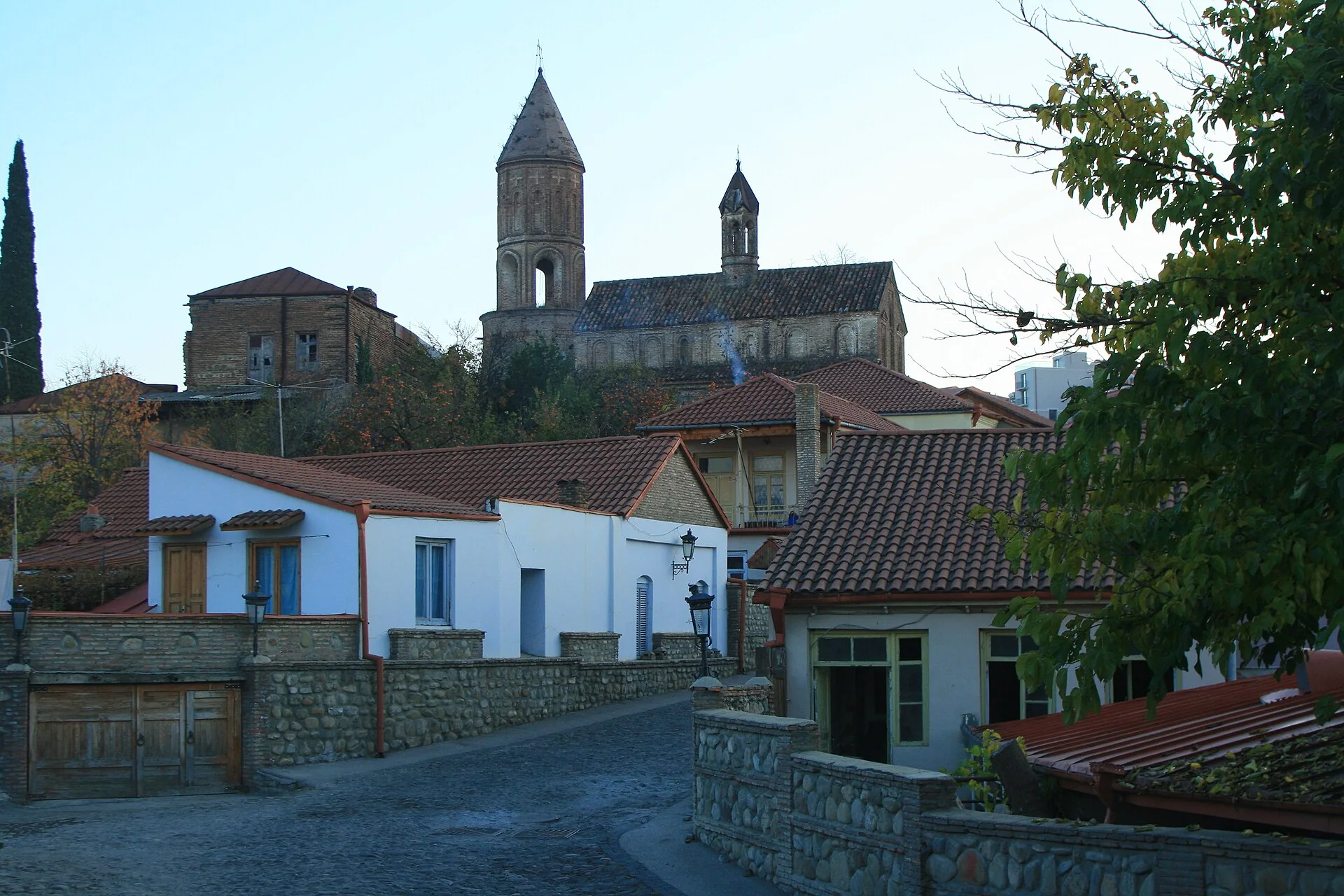
Historic streets and rooftops of Sighnaghi, not the Pheasant's Tears restaurant. Photograph by Alexxx1979. Source photograph, CC BY-SA 4.0. Resized to a maximum 1920px width and converted to WebP. Responsive copies resized and compressed to WebP.
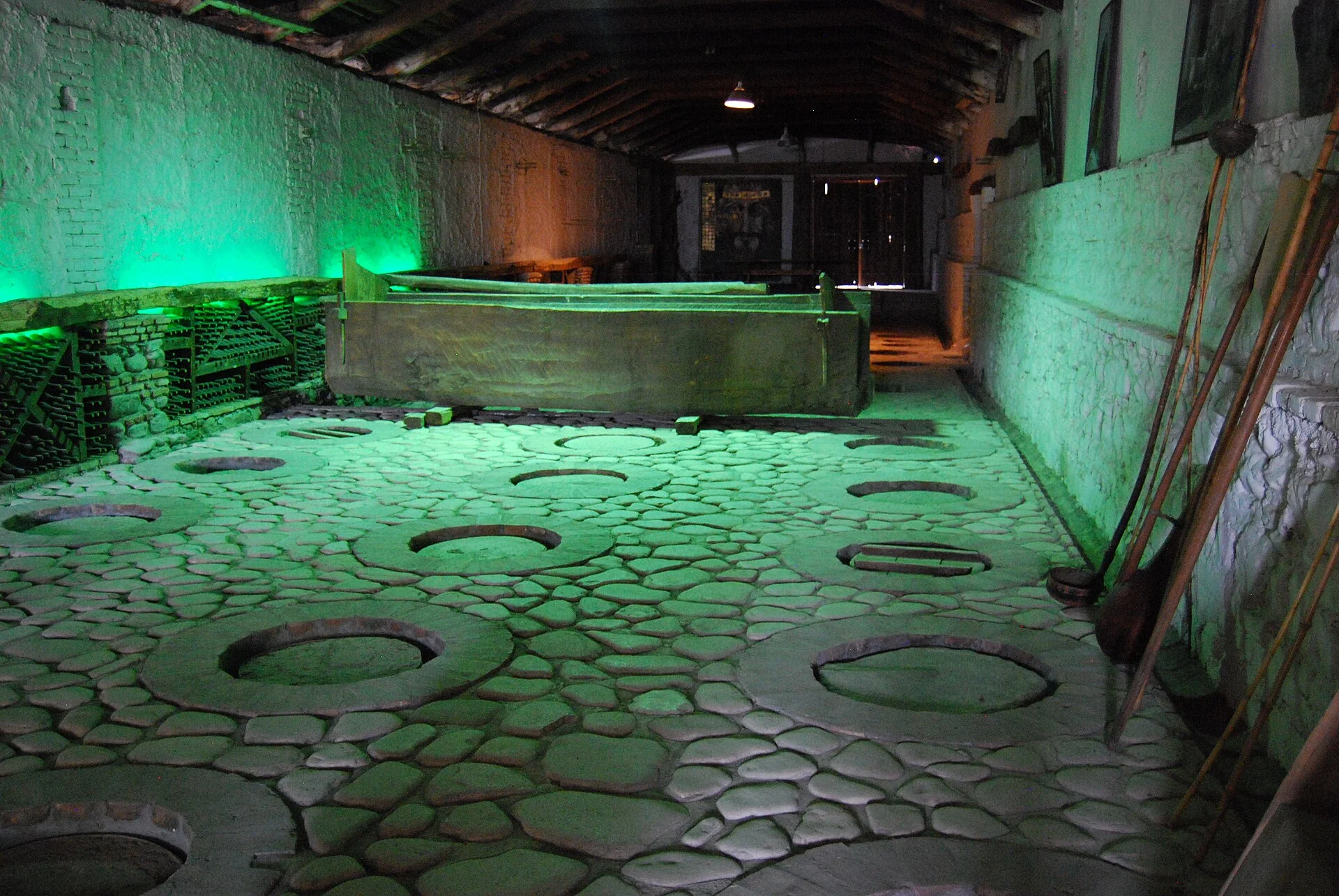
Street and historic church towers in Sighnaghi, not the Okro's Wine cellar. Photograph by Michal Gorski. Source photograph, CC BY-SA 3.0. Resized to a maximum 1920px width and converted to WebP. Responsive copies resized and compressed to WebP.
Traditional Georgian marani with qvevri openings set into the floor. Photograph by Gill M L. Source photograph, CC BY-SA 2.0. Resized by Wikimedia to a maximum 1920px width where applicable and converted to WebP. Responsive copies resized and compressed to WebP.