The city built around warm water
A practical introduction to the city's historic thermal-water ritual, from shared halls to private suites.
Choose Abanotubani for an indoor sulfur-bath ritual and old-city atmosphere; choose a specific bathhouse only after deciding whether you want a communal hall or a private room.
- Where
- Abanotubani, below Narikala Fortress in Old Tbilisi, near Meidani and Leghvtakhevi gorge.
- Choose first
- A communal hall versus a private suite; available options differ by operator and sometimes by room.
- Overnight base
- Tbilisi — compare options ↓
Area search, not a confirmed venue entrance. Use the guide's visitor details for the final approach.
In this guide
Tbilisi Sulfur Baths: How to Choose an Abanotubani Bathhouse
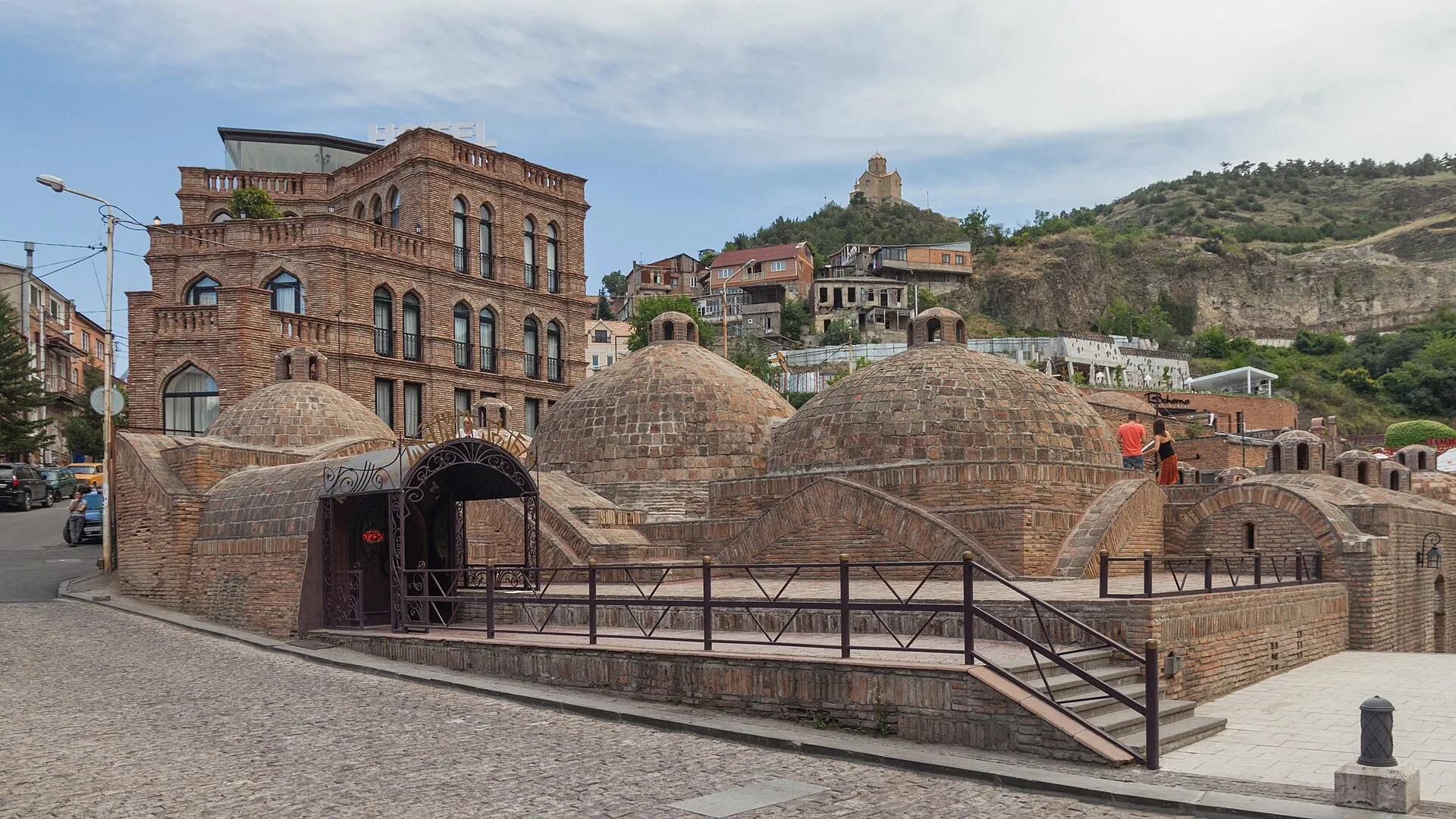
At street level, Tbilisi's bath quarter looks almost like a field of low brick domes. Downstairs, geothermal sulfur water fills enclosed pools in bathhouses with quite different interiors and rules. This is Abanotubani, literally the bath district, in the oldest part of the Georgian capital. The experience makes more sense as a city tradition than as a search for a free outdoor hot spring.
Some houses favour reservable private rooms with lounges, cold pools or saunas; Bath No. 5 still offers a communal option; others are more modest. Georgia's national tourism site names Chreli Abano, Bath No. 5, King Erekle's Bath, Gulo's Bath and Bohema among the district's best-known establishments. What follows is a way to choose between them without mistaking a handsome exterior for a promise about every room.
Why the baths matter to Tbilisi
The city's name is linked to the Georgian word tbili, meaning warm. A familiar foundation legend tells of King Vakhtang Gorgasali's hunting bird pursuing a pheasant into hot water; the king supposedly chose the site for a city after the discovery. The episode belongs to legend, but the hot springs and the bath culture they supported are real. Abanotubani has long been a meeting place as well as somewhere to wash.
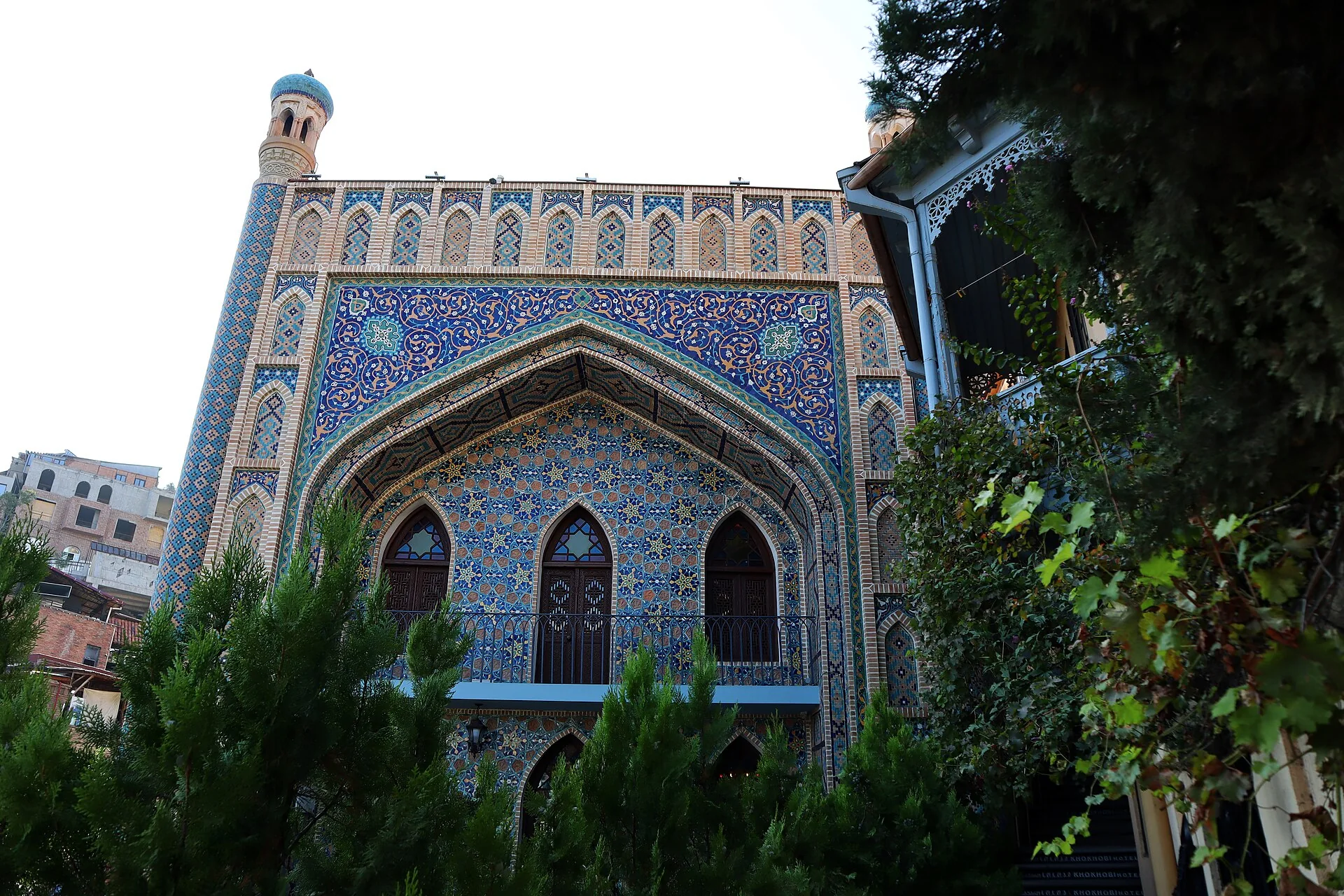
Georgia Travel describes the baths as part of the social infrastructure of earlier Tbilisi: neighbours met, news circulated and visitors joined local life. Today the visible domes and the striking tiled Chreli facade show different faces of that heritage. The surrounding lanes lead toward the Juma Mosque, Leghvtakhevi waterfall and the lanes below Narikala, so even a visitor who does not bathe can understand how tightly the district is woven into the old town.
Public hall or private room?
Make this decision before deciding on a price or booking slot. A communal hall offers the more social and straightforward traditional experience, but expect shared space, gender-specific arrangements and local changing conventions. Bath No. 5 is a useful starting point for researching public bathing. Confirm which hall is operating on your intended day, whether there is a bathing pool in that particular section and what clothing or privacy rules apply.
A private suite is different: you reserve a room for your party and generally gain a controlled setting in which to soak together. Depending on the selected room it might have only a hot-water pool and shower, or additional cold water, seating and a sauna. Chreli and King Erekle's Bath publish individual room choices; other operators may require a call or an in-person enquiry. Never infer facilities from the bathhouse name alone.
What actually happens during a visit
A conventional session begins with changing, showering and entering the sulfur-water pool. The water has a characteristic mineral smell that is noticeable when you arrive, although the intensity varies. A kisa, sometimes spelled kisi, is a vigorous scrub with a textured mitt performed by a bath attendant, often after some time in the water. It is an optional service rather than a requirement for using the baths.
Before paying, ask whether a scrub or massage is included, when the attendant will arrive, and how the appointment fits within the room reservation. Towels, slippers, drinks and other extras may be separate purchases. Confirm the final room total, the length of the session and the payment method with the operator, especially if different members of your group want different treatments. That prevents a nominally simple hour from becoming a rushed negotiation.
Build a bath visit into an Old Tbilisi walk
Abanotubani is easy to combine with a half-day in the old city. Approach through Meidani and the historic streets, inspect the brick domes from outside, then continue past Chreli Abano toward the short gorge leading to Leghvtakhevi waterfall. Another uphill route reaches the Juma Mosque and the approaches toward the Botanical Garden and Narikala. Some sections have steps and uneven pavement; leave enough time before your reservation.
The best bath is the one that fits your group and appetite for privacy, not necessarily the most photogenic or expensive house. Reserve a popular private suite for a planned evening, or investigate a public hall if the communal custom matters more than a polished interior. Across all operators, current opening times, room condition, accessibility and available extras are booking questions. The water is hot: take breaks, leave if uncomfortable, and do not treat historic therapeutic claims as medical advice.
Plan the visit and the journey back.
- Where
- Abanotubani, below Narikala Fortress in Old Tbilisi, near Meidani and Leghvtakhevi gorge.
- Choose first
- A communal hall versus a private suite; available options differ by operator and sometimes by room.
- Ask before paying
- Session duration, pool layout, room capacity, towels, slippers, scrub or massage extras and total charge.
- Best pairing
- Walk the bath domes, Chreli facade and Leghvtakhevi waterfall before or after the scheduled bath.
- Plan ahead
- Popular evening private rooms may need advance reservation; confirm today's hours with the specific bathhouse.
Area search, not a confirmed venue entrance. Use the guide's visitor details for the final approach.
Stay where the next day makes sense.
Compare the base first, then check the property's location and transport for your outing.
Tbilisi
Compare a city stay; check the property's actual neighbourhood and the return journey from your outing.
Compare directory stays →Search Tbilisi on Booking.com ↗Useful answers before setting out.
Are Tbilisi sulfur baths natural hot springs?
They use water from naturally heated sulfur springs, but the visitor experience is generally indoors in managed bathhouse pools. It is different from entering an open natural spring or river.
Can couples bathe together in Abanotubani?
A private room is usually the relevant option for couples or mixed groups. Shared halls operate under their own gender and changing arrangements; confirm those directly before arriving.
Do I have to book a scrub?
No. The kisa exfoliating scrub is an optional part of the local ritual. Ask the operator about availability, price and how it fits into your reserved time.
How much does a Tbilisi sulfur bath cost?
Rates vary widely between public entry and private suites, and extras can cost more. Check a current operator listing or ask for the all-in total; historic guidebook figures can be out of date.
Confirm the current visitor details.
Access, weather, opening hours and bookable experiences can change. Check the relevant operator or visitor authority for your date.
- Georgia Travel — Tbilisi Sulfur Baths ↗
- Georgia Travel — Exploring Tbilisi's Sulfur Baths ↗
- Georgia Travel — Abanotubani in Tbilisi ↗
Photograph sources and licenses
Historic domed sulfur bath buildings in the Abanotubani district of Tbilisi. Photograph by Marcin Konsek. Source photograph, CC BY-SA 4.0. Converted to WebP. Responsive copies resized and compressed to WebP.
Chreli Abano colourful tile-front bathhouse in Tbilisi. Photograph by Natia an. Source photograph, CC BY-SA 4.0. Converted to WebP. Responsive copies resized and compressed to WebP.
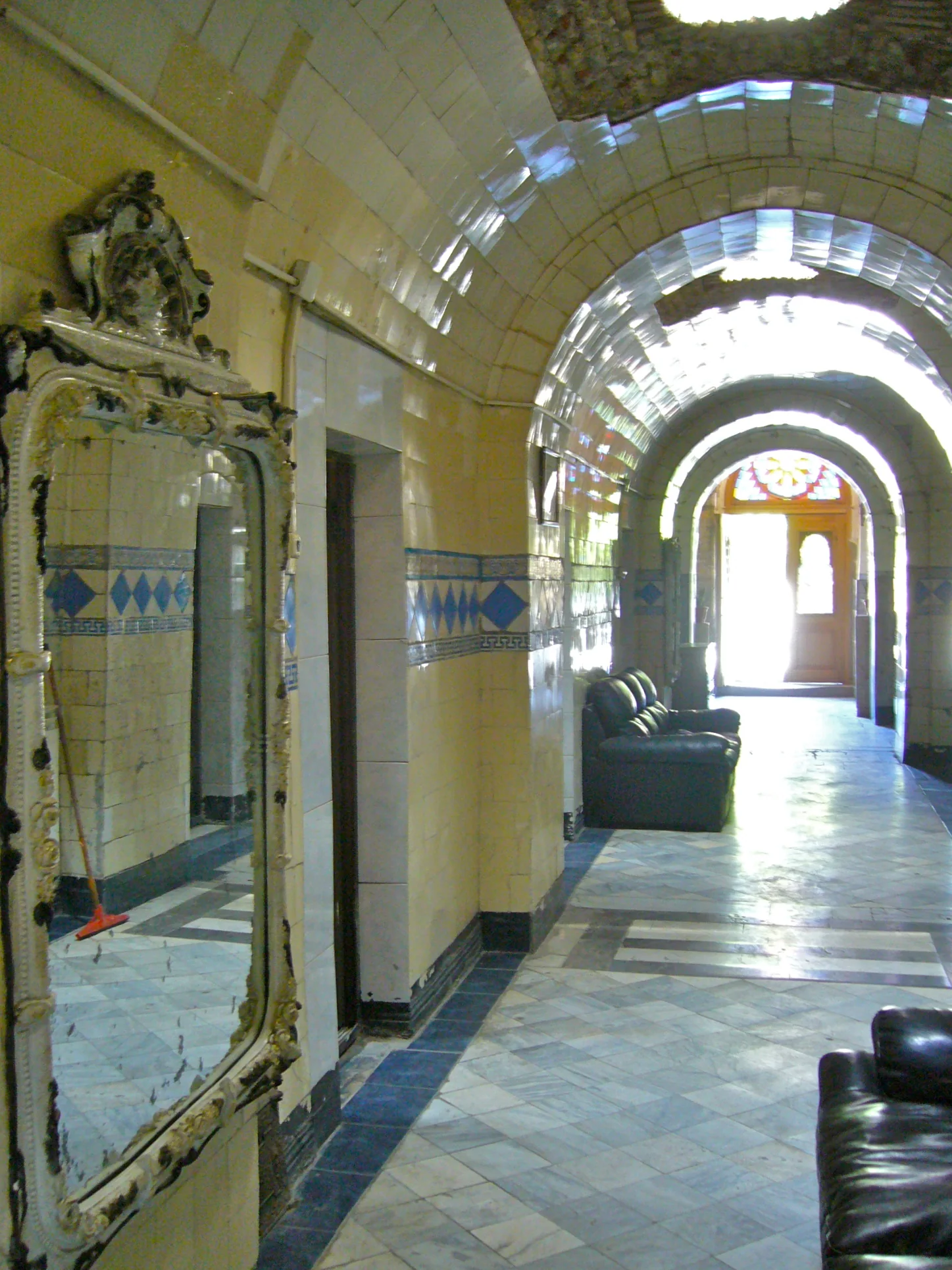
Historic interior of Georgian baths. Photograph by Fif' from Paris, France. Source photograph, CC BY-SA 2.0. Converted to WebP. Responsive copies resized and compressed to WebP.
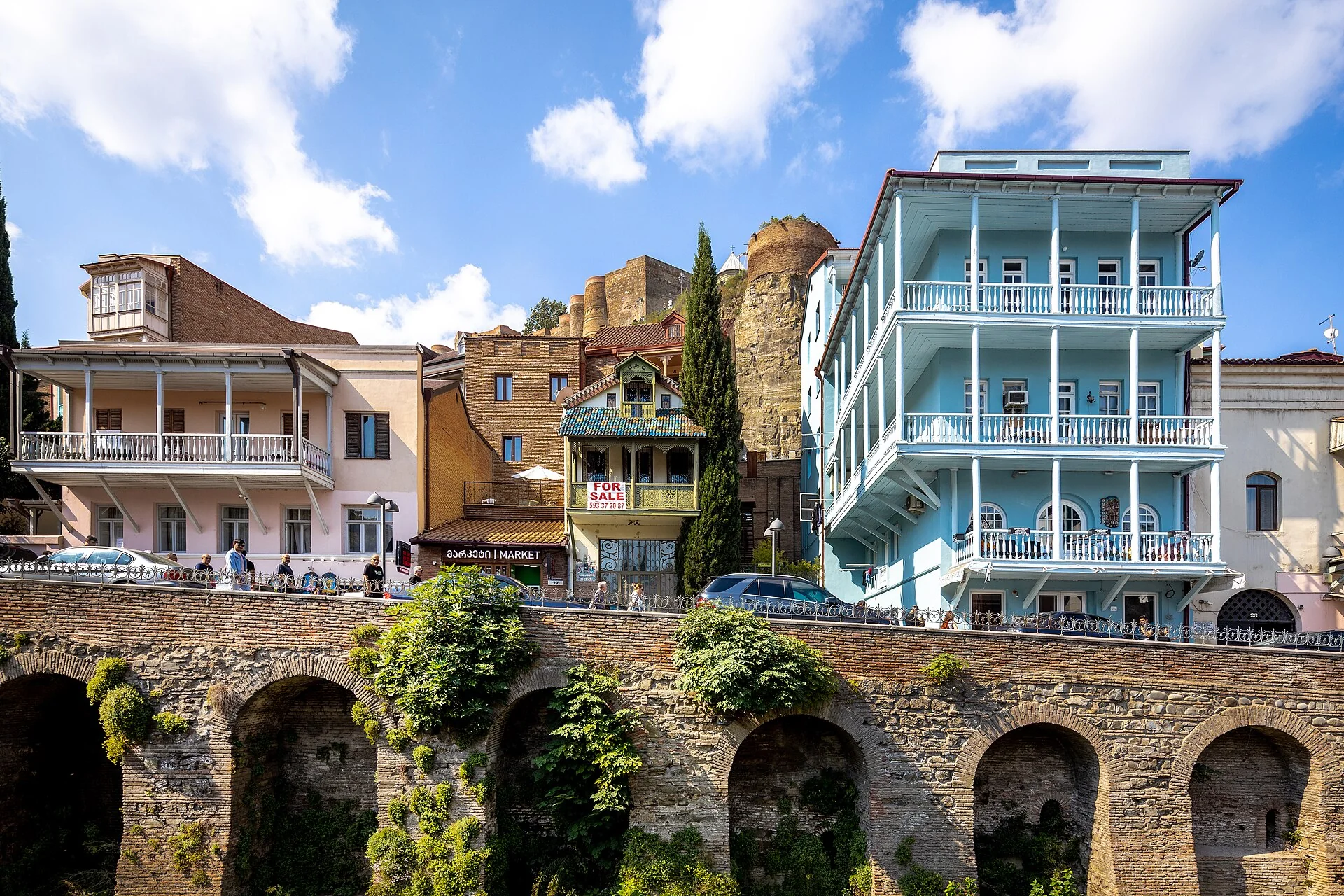
Tbilisi Abanotubani historic sulfur bath district. Photograph by Supanut Arunoprayote. Source photograph, CC BY 4.0. Converted to WebP. Responsive copies resized and compressed to WebP.